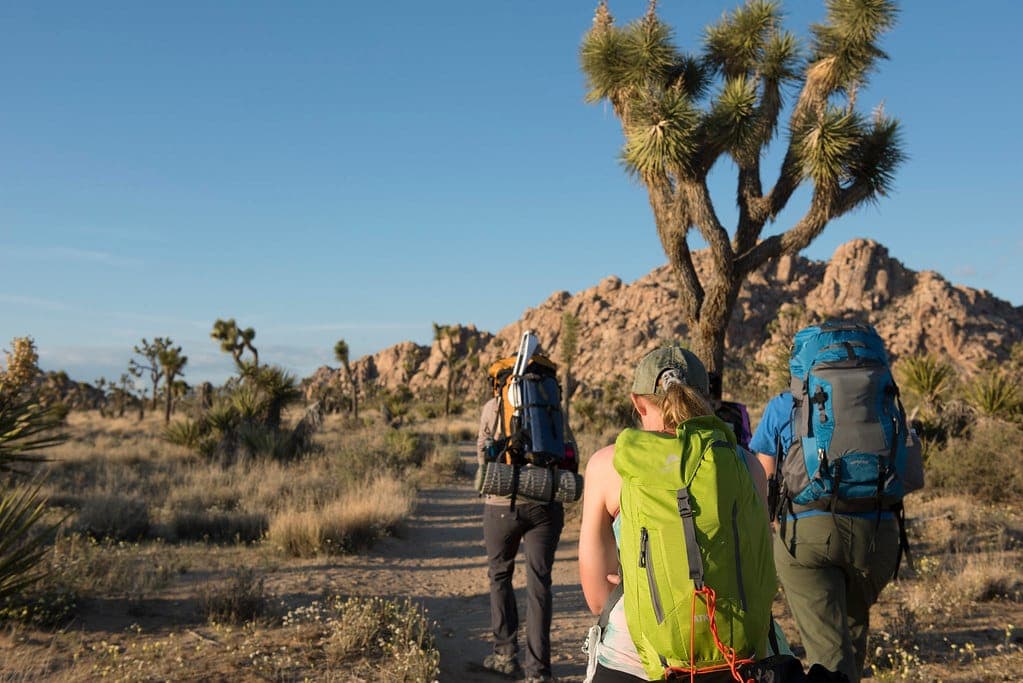
Best hiking daypack
Best hiking daypacks
Six hiking daypacks ranked on suspension and load transfer, with honest notes on where each one stops working.
Top pick: Osprey Talon 22
02 — Trail
Packs, poles, water and insulation, judged by the only measure that matters on foot: what it costs you to carry it all day.

What this kit has to do
The trail hub runs on a different economy than the rest of this site. At a campsite, space is the constraint. On a trail, weight is -- and weight compounds. Every ounce is carried for every step, uphill, for hours, and the difference between a pack that disappears on your back and one you think about constantly is usually a few hundred grams in the wrong places.
That changes what counts as a good product. A heavier water filter that flows faster can still be the right answer for a group. A lighter pack with a thin hipbelt is the wrong answer the moment the load passes about twenty pounds. The spec that matters is almost never the headline one.
The second thing this hub takes seriously is that most people reading it are not thru-hiking. They are doing day hikes and the occasional overnight, which means the gear that actually gets used is a twenty-liter daypack, a bottle, a basic first aid kit and a pair of poles -- not a sub-two-pound shelter system. The beginner page is built around that reality rather than around a gear ladder nobody asked to climb.
Where a product does double duty -- a bottle that also works on a flight, a daypack that also works as a personal item -- we point it out, because buying one thing that works on two kinds of trip is the cheapest upgrade available.
Roundups — what to buy
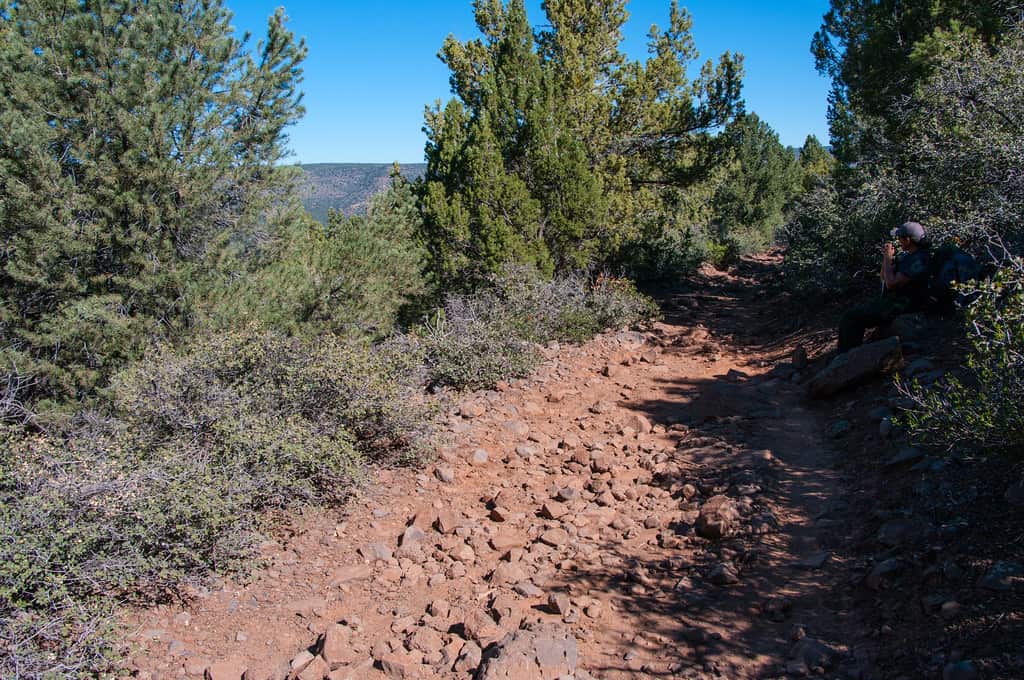
Best hiking daypack
Six hiking daypacks ranked on suspension and load transfer, with honest notes on where each one stops working.
Top pick: Osprey Talon 22
Roundup
Six trekking poles ranked on lock reliability, packed length and grip material, from folding carbon to a budget pair.
Top pick: Black Diamond Trail Ergo Cork
Roundup
Six backpacking water filters ranked on flow rate, clog resistance and packed size -- plus what filters do not remove.
Top pick: Sawyer Squeeze
Roundup
Six sleeping bags ranked on warmth for packed size and fill type, plus how to read temperature ratings honestly.
Top pick: REI Co-op Magma 30
Best hiking water bottle
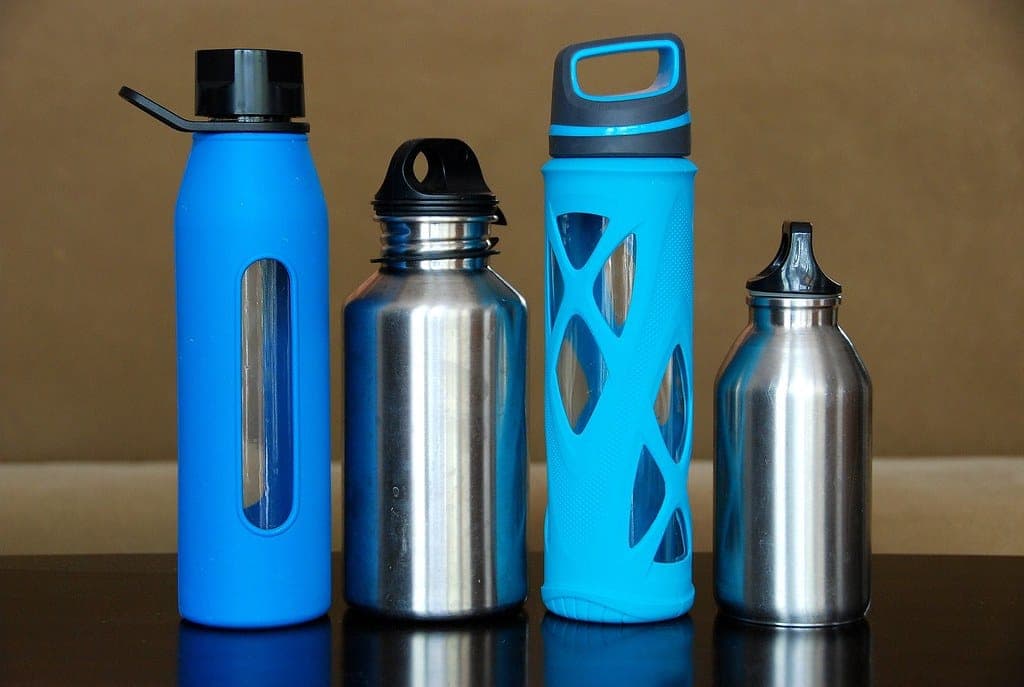
Six hiking water bottles ranked on weight, durability and whether insulation earns its place -- plus the flight-friendly options.
Top pick: Nalgene Wide Mouth 32oz
Roundup
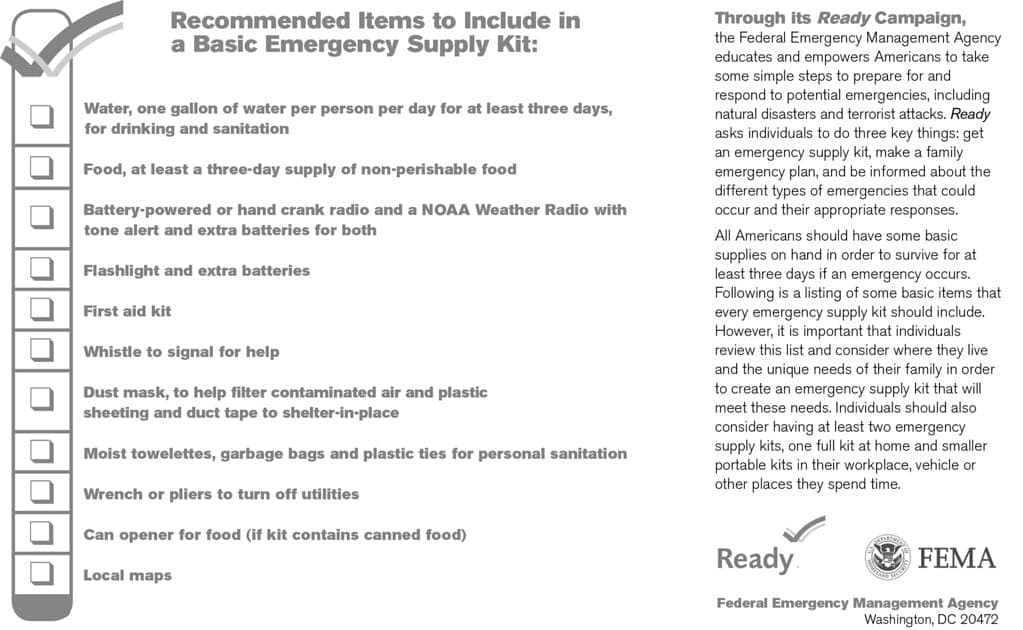
Six first aid kits for hiking and camping ranked on useful contents rather than piece count -- plus what every kit is missing.
Top pick: Adventure Medical Kits Mountain Series Daytripper
Roundup
The five things a new hiker actually needs, the ten to skip, and where spending more genuinely helps.
Top pick: Osprey Talon 22
Head to head — two options, one answer
Head to head
Hydro Flask, YETI and Stanley compared on insulation, leakproofing, weight and lid design -- with a verdict per use case.
Top pick: Hydro Flask Wide Mouth 32oz
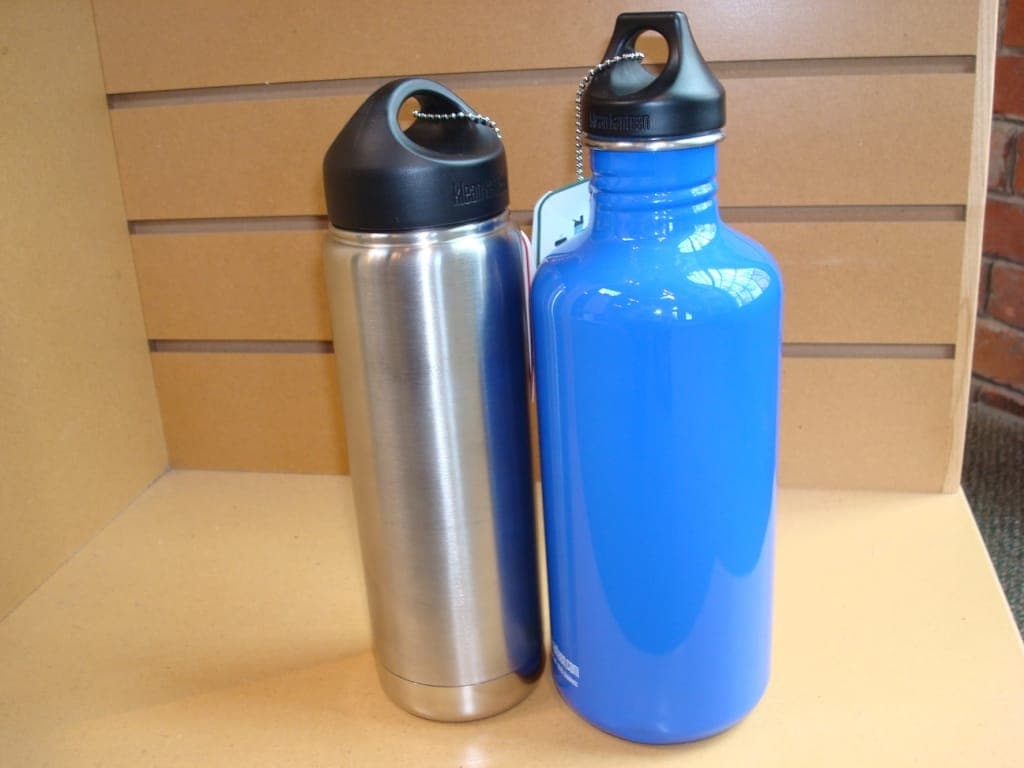
Head to head
Nalgene versus Hydro Flask on weight, insulation, cleaning and filter compatibility -- and when the steel bottle is worth carrying.
Top pick: Nalgene Wide Mouth 32oz
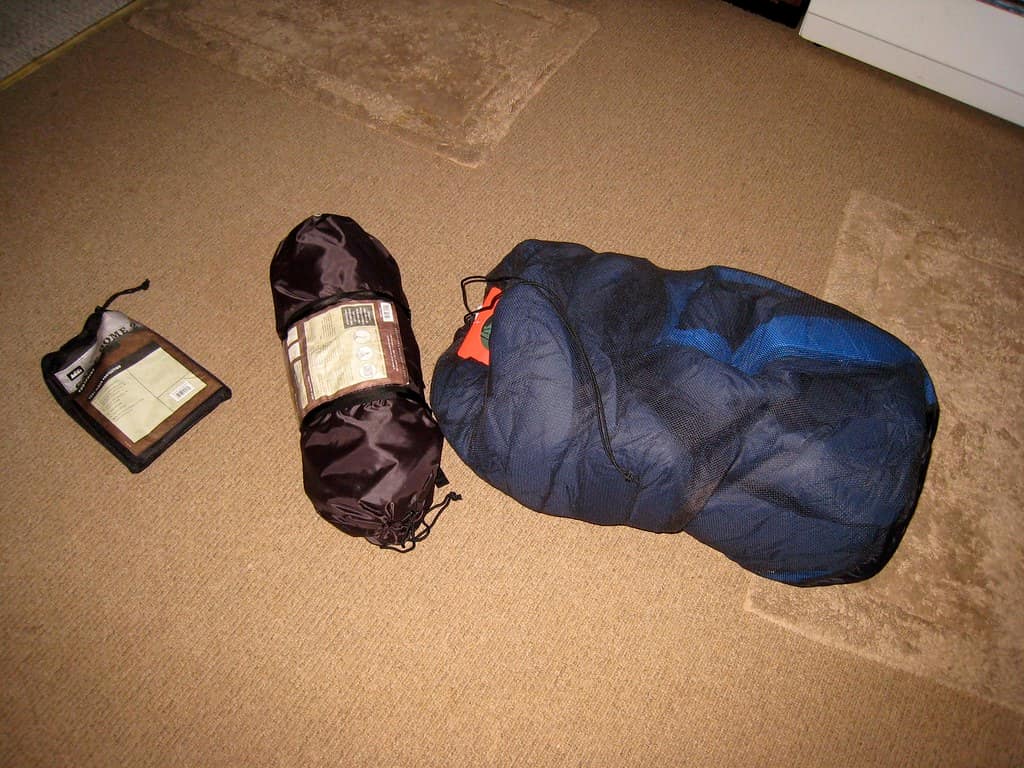
Head to head
Down versus synthetic sleeping bags on packed size, wet performance, lifespan and price -- with a verdict per climate.
Top pick: REI Co-op Magma 30
Guides, lists and checklists
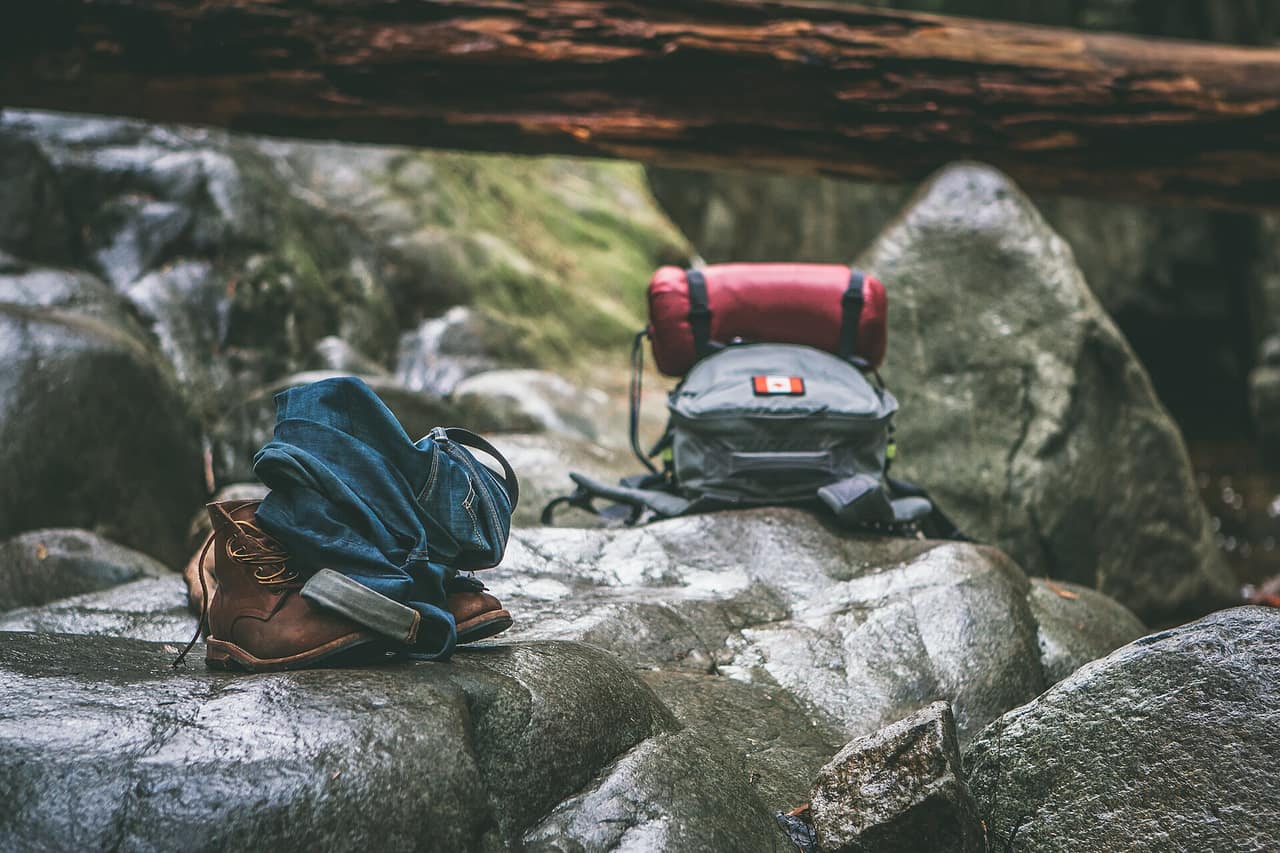
Checklist
An ultralight gear list organized by where weight actually is -- the big three, water, food -- plus the free savings first.
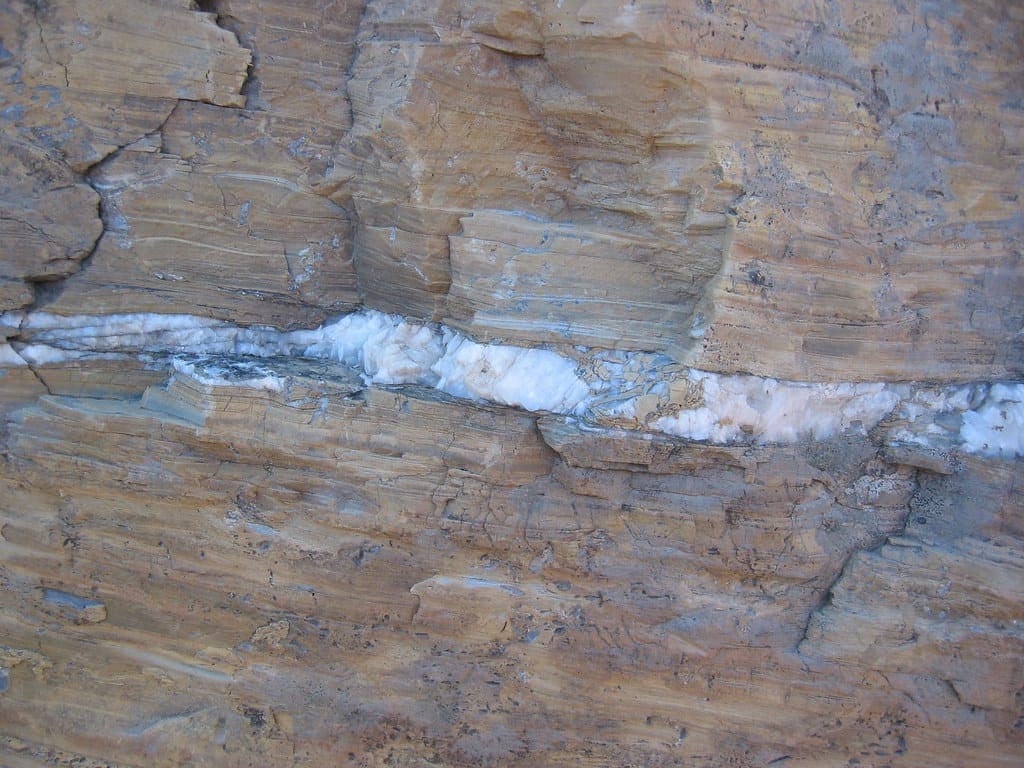
Explainer
What separates camping from backpacking -- gear, cost, skills, access -- and how much of a camping kit carries over.

Checklist
A day hike checklist with the reason for every item, scaled by trip length and weather, plus the pre-hike checks.
01 — Selection criteria
The useful mental model is not total pack weight but where the weight sits and how often you reach for the thing.
02 — Build order
If you are assembling a trail kit from nothing, the order below gets you hiking comfortably for the least money, and avoids the two most common wasted purchases.
First: the pack and the bottle. A twenty- to thirty-liter daypack with a usable hipbelt and a bottle you will actually refill covers every day hike. Skip the hydration bladder at this stage -- owners consistently report they stop cleaning them, and a bottle you can see the inside of stays usable longer.
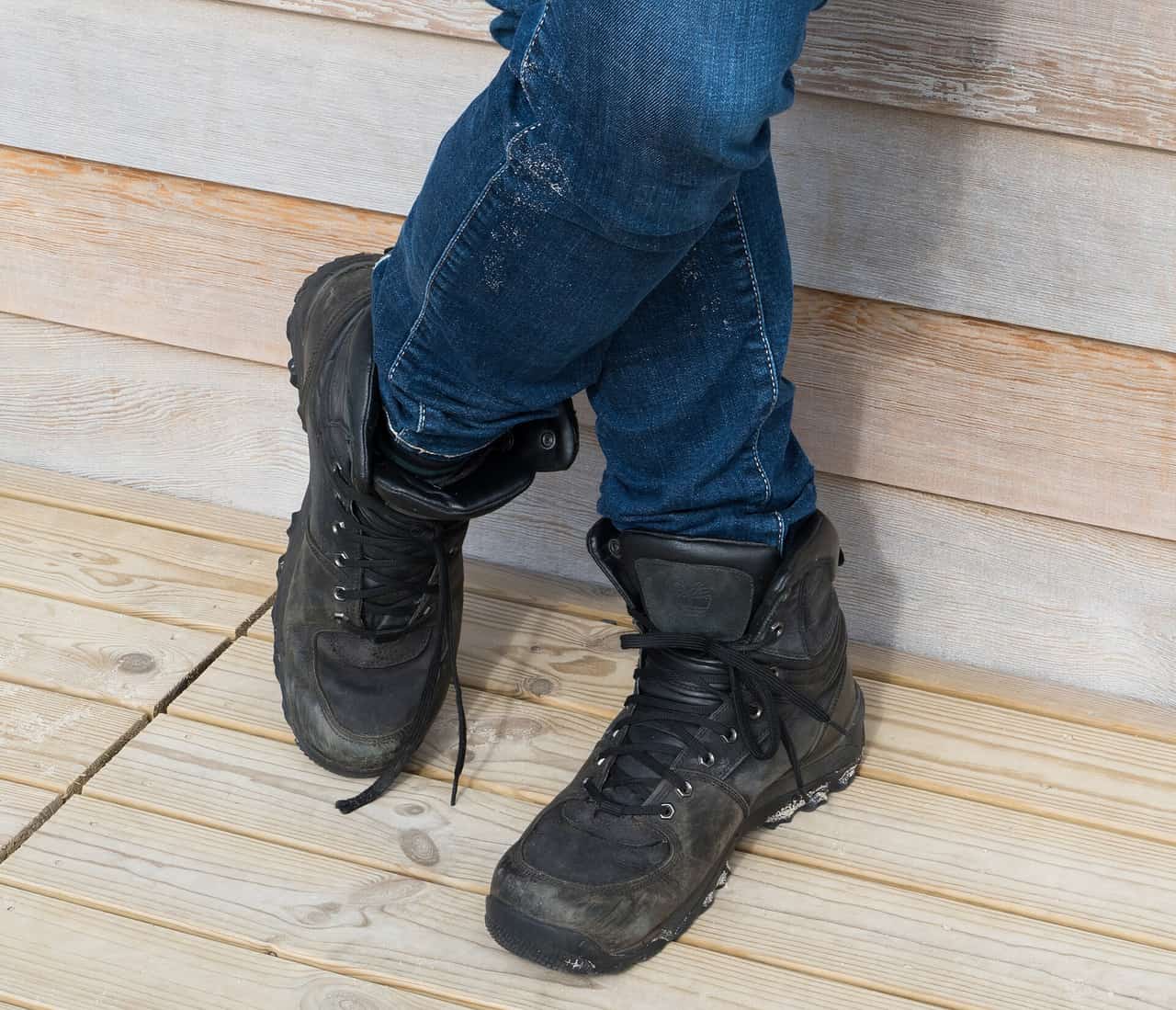
Second: footwear and socks. Not covered in depth on this site, but it is where comfort lives. Good socks are the cheapest comfort upgrade in hiking, full stop.
Third: poles, if your knees ask for them. Poles mostly help on descents and on load-bearing days. They are not a beginner requirement and plenty of people never want them.
Fourth: a filter, once you are hiking somewhere with water. This is the purchase that unlocks longer days, because it removes the need to carry the whole day's water from the car.
Last: overnight gear. Bags, shelters and pads are the expensive end, and borrowing or renting for your first few overnights is a genuinely better move than buying into a system you have not tested.
03 — Category note
Filters are not purifiers. A hollow-fiber filter -- the squeeze and gravity designs that dominate North American backpacking -- physically strains out protozoa and bacteria, which is what the vast majority of backcountry water in the US contains. It does not remove viruses. Purifiers, which use chemical treatment, UV, or a much finer membrane, do.
For domestic trail use, a hollow-fiber filter is the standard answer and what our water filter roundup is built around. For international travel where the water supply is uncertain, you want purification, and that is a different product category entirely -- which is also why a travel bottle with built-in purification shows up in the carry-on hub rather than here.
Same gear, other trips