Skip to content
Trail & Terminal

02 — Trail / Head to head

Nalgene vs Hydro Flask

One weighs almost nothing and you can see inside it. The other keeps water cold. For hiking, that trade usually goes one way.

By Brijon M.Last updated How we pick
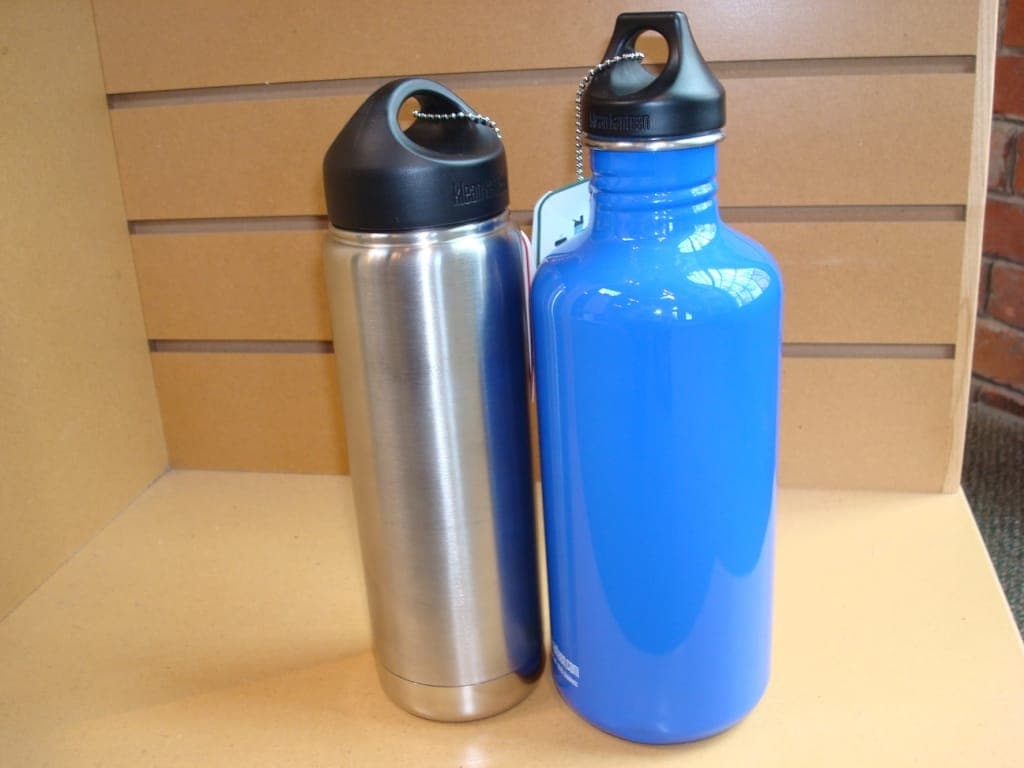
A clear plastic bottle beside an insulated steel bottle on a rock

The short answer

Take the Nalgene hiking. It weighs a fraction of the Hydro Flask, costs far less, is transparent so it stays clean, and threads onto most water filters. Take the Hydro Flask when the weather is hot enough that cold water makes you drink more.

Trail & Terminal earns a commission when you buy through our Amazon links, at no extra cost to you. It does not change which products we pick -- see our affiliate disclosure and selection method.

Our picks at a glance

Nalgene vs Hydro Flask -- ranked picks
#ProductBest forKey specPrice
1Nalgene Wide Mouth 32ozNearly weightless, nearly unbreakable, transparent, and filter-compatible. Hard to beat on a trail.hiking, almost alwaysLight, transparent, cheap
2Hydro Flask Wide Mouth 32ozCold water for a whole day. Several times the empty weight, and you cannot see inside it.hot weatherVacuum insulated steel

Ranked by the criteria in how we pick. We hold no live prices, so every button goes straight to the current Amazon listing.

Every pick, in full

The picks

1

Best for hiking, almost always

Nalgene Wide Mouth 32oz

Nearly weightless, nearly unbreakable, transparent, and filter-compatible. Hard to beat on a trail.

The default hiking bottle, and this comparison is mostly about why. Weight is the first reason: water is the heaviest thing most hikers carry, and a steel bottle adds several ounces of container on top of it, every mile. Transparency is the second and is underrated -- bottles usually fail by becoming unpleasant rather than by breaking, and a bottle you can see inside gets cleaned. Filter compatibility is the third: a Sawyer or similar filter screws straight on. See <a href="/trail/best-water-filters-for-backpacking">water filters</a>.

Specs

  • BPA-free Tritan copolyester
  • 63mm wide mouth, takes ice and a cleaning brush
  • Graduated volume markings
  • Threads fit most hollow fiber filters

Good for

  • Very light empty, which matters alongside two pounds per liter of water
  • Transparent, so it stays clean because you can see when it is not
  • Filter-compatible thread turns it into part of a water system

Bad at

  • No insulation -- water matches the air within hours
  • Rigid, so it occupies the same space empty as full
  • The wide mouth spills if you drink while walking
2

Best for hot weather

Hydro Flask Wide Mouth 32oz

Cold water for a whole day. Several times the empty weight, and you cannot see inside it.

The case for the steel bottle is narrower than its popularity suggests, but it is real: in genuine heat, cold water is drunk in larger quantities, and drinking enough is the actual goal rather than carrying the lightest possible container. Outside hot weather you are carrying insulation for no benefit. The two practical drawbacks for hiking are the weight and that you cannot see inside -- which is why insulated bottles are the ones that end up smelling.

Specs

  • Double-wall vacuum insulated stainless steel
  • Powder-coated exterior
  • Leakproof standard cap
  • Lifetime warranty per Hydro Flask

Good for

  • Cold water hours into a hot day, which measurably increases intake
  • Durable finish that handles being set down on rock
  • No plastic taste and no flavor retention

Bad at

  • Several times the empty weight of the Nalgene, carried all day
  • Opaque, so odor develops unnoticed
  • Rarely compatible with filter threads

01 — Comparison

Head to head

NalgeneHydro Flask
Empty weightVery lightSeveral times heavier
Keeps water coldNoYes, all day
PriceLowHigh
Can you see insideYesNo
Filter thread compatibleUsuallyRarely
Breaks byAlmost never; cracks if frozen fullDenting, which can kill the vacuum
TasteSlight plastic taste when newNone
Freezing water in itNot when full -- it will crackNot recommended; can damage the seal
Right forHiking, filters, everyday carryHot weather, the car, the office

02 — The core argument

Why weight matters more here than it looks

Water weighs roughly two pounds per liter. That is the dominant term in any water-carrying calculation, and it is why the empty weight of the container matters more than people assume.

If you carry two liters, that is about four pounds of water. Adding a steel bottle rather than a plastic one adds a meaningful fraction on top of that -- not catastrophic, but carried every step for the whole day, and for no benefit at all unless the weather is hot enough that you are drinking more because the water is cold.

The bigger lever, by far, is not the bottle at all: it is a filter. If you can refill from streams, you carry one liter instead of three, which saves several pounds -- far more than any container choice. That is why this site treats a filter as the real weight-saving purchase. See water filters for backpacking.

03 — Decision

Choose the Nalgene if

  • You are hiking, in anything other than genuine heat.
  • You want to pair a bottle with a water filter -- the thread compatibility is the practical reason most filter users carry one.
  • You want to be able to see inside the bottle, which is how bottles stay usable for years.
  • Price matters. It is a fraction of the cost and essentially unbreakable in normal use.
  • You want volume markings, for mixing drink powders or rationing water on a dry stretch.

04 — Decision

Choose the Hydro Flask if

  • The weather is hot enough that cold water genuinely changes how much you drink.
  • You dislike the slight plastic taste, or you use the bottle for drinks other than water.
  • The bottle will mostly live in a car, at a desk or at a trailhead rather than in a pack.
  • You want hot drinks too -- vacuum insulation works both ways, which plastic does not. See Hydro Flask vs YETI vs Stanley.

05 — Both

The answer most experienced hikers land on

Own both and use them for different jobs. A light plastic bottle lives in the pack permanently and goes on every hike. An insulated bottle rides in the car for the drive and comes out on genuinely hot days.

That is not a cop-out; it reflects that these are different tools. The plastic bottle is a water-carrying device optimized for weight and cleanability. The steel bottle is a temperature-maintenance device that happens to carry water. Add a collapsible bottle for extra capacity on dry stretches and you have a complete setup. See water bottles for hiking.

06 — Criteria

How we compared these

Empty weight first, since the water is already the heavy part, then cleanability, then filter compatibility, then whether insulation earns its weight in the conditions you hike in. Full method on how we pick.

We have not field-tested these bottles. Materials, thread specifications and insulation construction come from each manufacturer's published information; the weight-of-water arithmetic is arithmetic. Odor and durability notes come from consistent long-run owner reports across both categories.

Questions

Frequently asked

Is a Nalgene or Hydro Flask better for hiking?
Nalgene, for most hiking. It is far lighter, much cheaper, transparent so it stays clean, and it threads onto most water filters. The Hydro Flask earns its extra weight only in heat, where cold water genuinely increases how much you drink.
Can you put hot drinks in a Nalgene?
Warm liquids are generally fine in BPA-free Tritan, but it offers no insulation, so a hot drink cools quickly and the bottle gets uncomfortably hot to hold. If you want hot drinks on a trail, a vacuum-insulated bottle is the right tool.
Can you freeze a water bottle?
Not a rigid bottle filled to the top -- water expands as it freezes and will crack it. Fill to about two thirds if you want to freeze a plastic bottle. Freezing an insulated steel bottle is generally not recommended, since ice can stress the seal and the inner wall.
Does a Nalgene make water taste of plastic?
A slight taste is common when new and fades with use and washing. It is less pronounced than older bottle materials, and it disappears entirely in insulated steel, which is a legitimate reason some people prefer steel for everyday drinking.
Which bottle works with a water filter?
The Nalgene, usually -- the wide-mouth thread matches most common hollow fiber filters, so the filter screws straight on. Insulated steel bottles rarely have compatible threads, which is a practical argument for plastic if a filter is part of your setup.

Back up a level

This page sits in Trail -- what you carry on your back: packs, poles, water, warmth.

Read next