Skip to content
Trail & Terminal

01 — Camp / Checklist

Camping checklist

The full list, grouped the way a car gets loaded, with a section on what to leave behind -- which is the half most checklists skip.

By Brijon M.Last updated How we pick
Camping gear laid out on the ground before being packed into a car

The short answer

The non-negotiables are shelter, an insulated sleeping pad, a sleeping bag, water, a headlamp, a first aid kit and a way to keep food cold. Everything else on this list is comfort, and the most common packing mistake is bringing more cooking gear than you will use.

01 — The list

The complete list

Grouped by category rather than by priority, because this is the order a car actually gets loaded. Items linked to a roundup have one.

Shelter

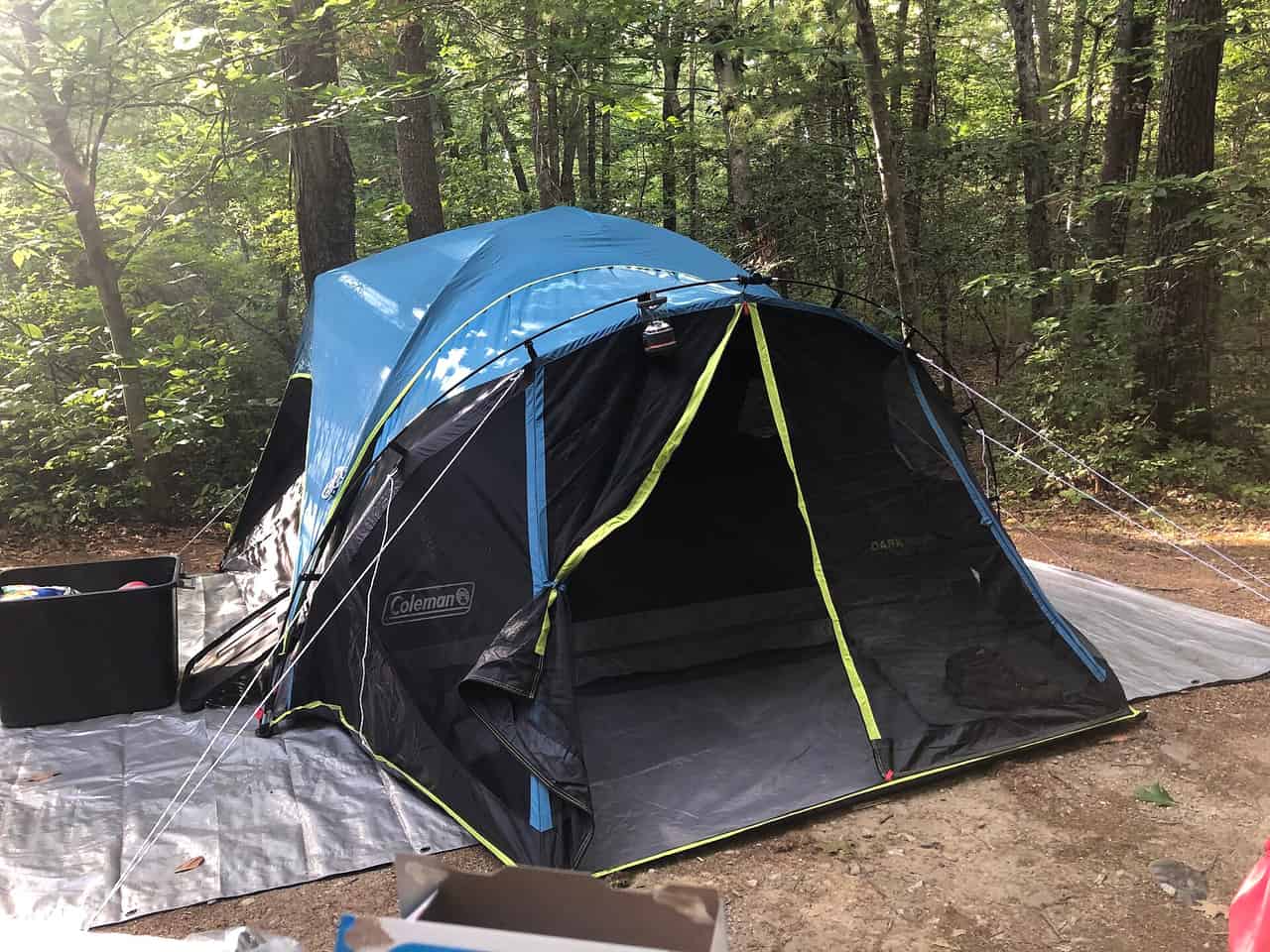
  • Tent, sized up by two over your headcount
  • Footprint or a tarp cut slightly smaller than the tent floor
  • Stakes -- more than came with the tent, and sturdier
  • Mallet or a rock
  • Guylines, if the forecast includes wind
  • Doormat or offcut of carpet for the tent door

Sleep

  • Insulated sleeping pad -- the single most important item on this list
  • Sleeping bag rated below the forecast overnight low
  • Pillow, or a stuff sack with a fleece in it
  • Bag liner, if you sleep cold -- a cheap way to extend a bag's range
  • Cot, if getting up off the floor is difficult
  • Patch kit for the pad

Kitchen

  • Stove and fuel, plus a lighter even if the stove has an igniter
  • Cooler, plus block ice and cubes
  • One pot and one pan, not a twelve-piece set
  • Plate or deep bowl, mug and a spork per person
  • Sharp knife and a cutting board, or vegetables chopped at home
  • Collapsible sink or wash bag, biodegradable soap, a scrubber and a towel
  • Trash bags -- at least two, one for recycling
  • Water containers, and a jug if the site has a single distant spigot
  • Coffee, however you make it

Light and power

  • Headlamp per person, plus spare batteries
  • Lantern for the table, and a smaller one for the tent
  • Power bank and the right cables
  • A backup light that runs on replaceable batteries

Clothing and layers

  • Rain shell -- the one piece of clothing genuinely worth buying for camping
  • Insulating layer for the evening, warmer than the forecast suggests
  • Warm hat and socks to sleep in, which make a bigger difference than a warmer bag
  • Camp shoes you can slip on at night
  • A complete change of clothes kept dry in a bag

Safety and essentials

  • First aid kit, with blister treatment and any personal medication
  • Sunscreen, insect repellent, lip balm
  • Paper map of the area, because cell coverage at campgrounds is unreliable
  • Repair kit: duct tape, cord, a few zip ties, the pad patch kit
  • Permits, reservation confirmation and the managing agency's phone number
  • Fire-safety basics: a bucket, and knowledge of current restrictions

02 — The anti-list

What to deliberately leave at home

The half of the problem checklists ignore. Every item below appears on standard camping lists, and every one of them is commonly packed, rarely used, and occupying volume you need for something else.

  • The rest of the cookware set. One pot and one pan. The second small pot, the ladle and the folding spatula do not get used.
  • A camping-specific coffee maker. A filter cone over a mug, or instant, packs flat and works.
  • A hydration bladder. You will not clean it. A bottle you can see inside stays usable.
  • Full-size toiletries. Decant. A full shampoo bottle for two nights is pure volume.
  • More than one book. You will read less than you plan to.
  • Firewood from home, over any distance. Many states restrict moving firewood because it spreads tree pests. Buy it locally.
  • A second cooler for drinks. One cooler, kept shut, outperforms two opened constantly.
  • Camp furniture beyond chairs. The table at most sites is adequate, and camp tables are bulky.
  • A large power station, unless you are running a fridge. A pocket power bank charges phones for a weekend.

03 — Loading

Pack the car in this order

Loading order matters more than most people expect, because you unload in reverse and you want the right things first.

  1. 01Last out goes in first: the cooler should be last in and easily reached, since it gets opened at every stop.
  2. 02Shelter near the top. The tent is the first thing you need on arrival and you do not want to unpack the car to find it.
  3. 03Heavy and low. Water containers, the cooler and the stove at the bottom and toward the rear axle, not stacked high.
  4. 04Sleep system in a dry bag or bin. Bags and pads are the one category where getting wet in transit ruins the trip.
  5. 05One small bag in the cabin with headlamps, snacks, the first aid kit and the reservation. Everything you might need before you unpack.

04 — Pre-departure

Before you leave, check these five things

  • The forecast overnight low, not the daytime high. Pack for ten degrees below it.
  • Current fire restrictions for your specific destination. They change through the season and are enforced.
  • Food storage requirements. In bear country, certified containers may be mandatory and a regular cooler does not qualify.
  • Whether the site has water, and whether it is on. Many campgrounds shut water outside peak season.
  • That the tent is complete. Pitch it in the yard once. Missing poles and stakes are discovered at the worst possible moment.

What to buy

The gear we would buy for this

Trail & Terminal earns a commission when you buy through our Amazon links, at no extra cost to you. It does not change which products we pick -- see our affiliate disclosure and selection method.

1

Best for the one item not to skimp on

Therm-a-Rest NeoAir XLite NXT

If you buy one thing off this checklist, buy the insulated pad. Cold ground is what ruins trips.

The checklist item people cut, and the one that determines whether they sleep. Your bag's insulation is compressed flat underneath you and does very little; nearly all of your protection from cold ground is the pad. Full options in <a href="/camp/best-sleeping-pads">sleeping pads</a>.

Specs

  • Manufacturer-stated R-value in the four-season range
  • Reflective internal layers
  • Packs to roughly water-bottle size
  • Inflation sack included

Good for

  • Insulated properly against cold ground
  • Small packed size works on every trip type
  • Thick enough for side sleepers

Bad at

  • Expensive relative to everything else on the list
  • Crinkles audibly
  • Air pad -- carry the patch kit
2

Best for the cheapest item that matters most

Black Diamond Spot 400

One per person, not one for the group. Every task after dark needs both hands.

A headlamp per person is one of the few places this list insists on quantity. Sharing one means somebody is always holding a phone. Options in <a href="/camp/best-headlamps">headlamps</a>.

Specs

  • Three AAA batteries, replaceable anywhere
  • Regulated output rather than a fading beam
  • Red mode direct from off
  • Manufacturer-stated IPX8 rating

Good for

  • Hands free, unlike a phone flashlight
  • Red mode preserves night vision in a shared tent
  • Batteries available at any store

Bad at

  • Touch dimming is fiddly with gloves
  • Spare AAAs add weight
  • Basic strap
3

Best for the item you hope stays sealed

Adventure Medical Kits Mountain Series Daytripper

Buy a pre-built kit, then add your own medications and blister supplies.

A pre-built kit is better than a bag of loose supplies because its contents were chosen deliberately. Add your own prescriptions, extra blister treatment and anything specific to your group. More options in <a href="/trail/best-first-aid-kits">first aid kits</a>.

Specs

  • Bandages, gauze, wound closure and tape
  • Blister treatment included
  • Waterproof outer bag
  • Sized for a small group on a day or weekend trip

Good for

  • Pre-built means you are not assembling a kit from guesswork
  • Blister supplies are the most-used contents and are included
  • Waterproof bag keeps everything usable

Bad at

  • No personal prescriptions -- you must add those yourself
  • Contents are shallow on anything beyond minor injuries
  • Needs restocking after use, which people forget

Questions

Frequently asked

What is the most forgotten camping item?
A lighter or matches, closely followed by a mallet for tent stakes and enough trash bags. All three are cheap, all three are genuinely needed, and all three live in a drawer at home rather than in the camping bin. Keep a sealed bag of consumables in the bin permanently.
What is the most important thing to pack for camping?
An insulated sleeping pad. Cold ground, not cold air, is what makes people miserable overnight, and no sleeping bag rating compensates for an uninsulated pad because the bag's underside is compressed flat by your weight.
Can I bring my own firewood camping?
Often not over any distance. Many states and parks restrict moving firewood because it spreads tree-killing insects and disease, and some require certified heat-treated wood. Buy firewood near the campsite and check the managing agency's rules before you travel with any.
How much water should I bring camping?
Plan on roughly a gallon per person per day for drinking, cooking and washing, and confirm whether your site's water supply is on -- many campgrounds shut it off outside the peak season. Bring a jug if the only tap is a long walk from your site.
Do I need a first aid kit for a campground?
Yes, and the most-used contents are the unglamorous ones: blister treatment, adhesive bandages, tweezers, pain relief and your own prescriptions. Buy a pre-built kit so the selection was deliberate, then add personal items and restock after every use.

Back up a level

This page sits in Camp -- campsite kit: shelter, sleep, kitchen, light and power.

Read next