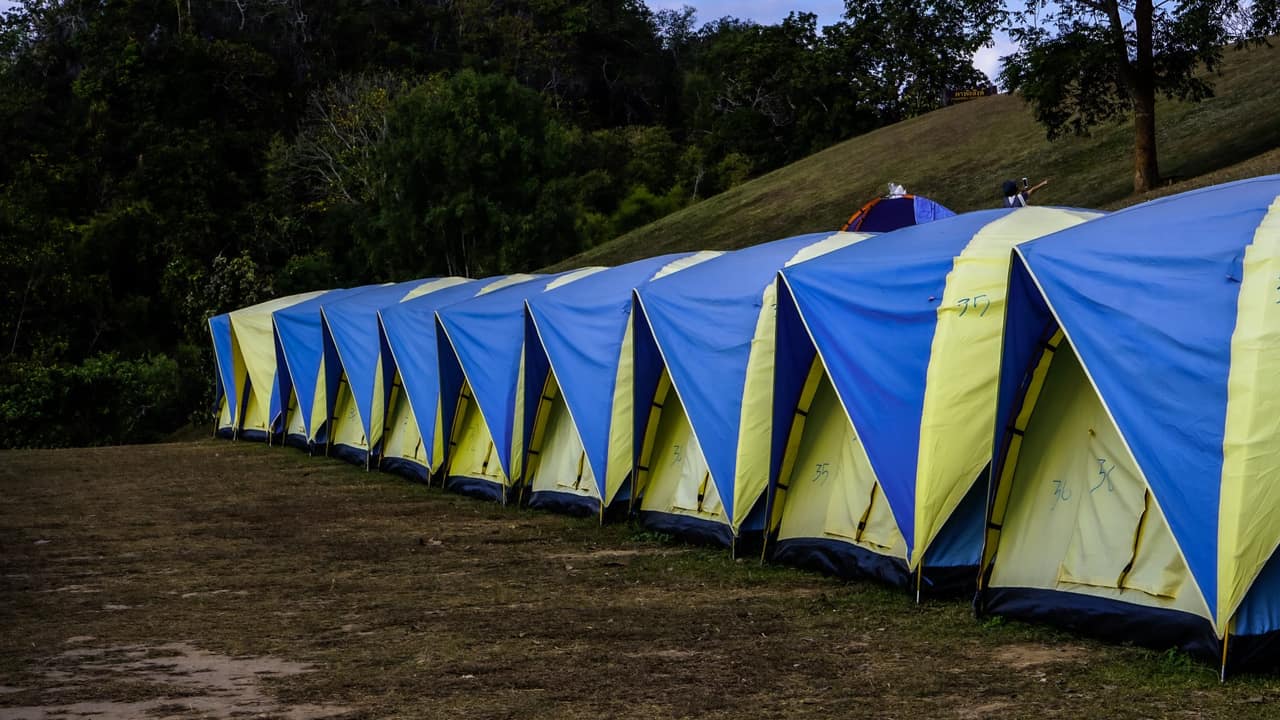
Best camping tent
Best camping tents
Seven camping tents ranked on packed size, setup time and the components that fail after a damp storage season.
Top pick: Coleman Sundome 4-Person Tent
01 — Camp
Shelter, sleep, kitchen, light and power -- chosen so a full campsite setup still leaves room in the trunk for people.
What this kit has to do
A campsite is the most forgiving environment this site covers and the most volume-hungry. Nothing has to be ultralight, which is exactly why camping kit quietly becomes enormous: a six-person tent, three folding chairs, a two-burner stove, a hard cooler and a bin of cookware will fill a midsize SUV before anyone has packed a change of clothes.
So the question on every page in this hub is not what is the best version of this thing in the abstract. It is what does this thing cost you in trunk space and setup minutes, and is that worth what it gives back. A cot that sleeps better than a pad but takes a third of the cargo area is a real trade, not a free upgrade, and we say so.
The second filter is what survives storage. Camping gear spends most of its life in a garage, packed damp, stacked under heavier things, and ignored for ten months. The failure points we care about are therefore the ones that show up in season two: zipper pulls, pole shock-cord, valve seals on air pads, hinge rivets on chairs, and the plastic latches on coolers. Owner feedback is unusually useful here, because those failures appear in reviews long after a magazine test has ended.
Everything below is organized the way a trip gets packed: shelter first, then sleep, then the kitchen, then light and power. If you are starting from nothing, the beginner roundup is the honest place to begin -- it is the only page here that tells you which four things to buy and which eight to skip for now.
Roundups — what to buy
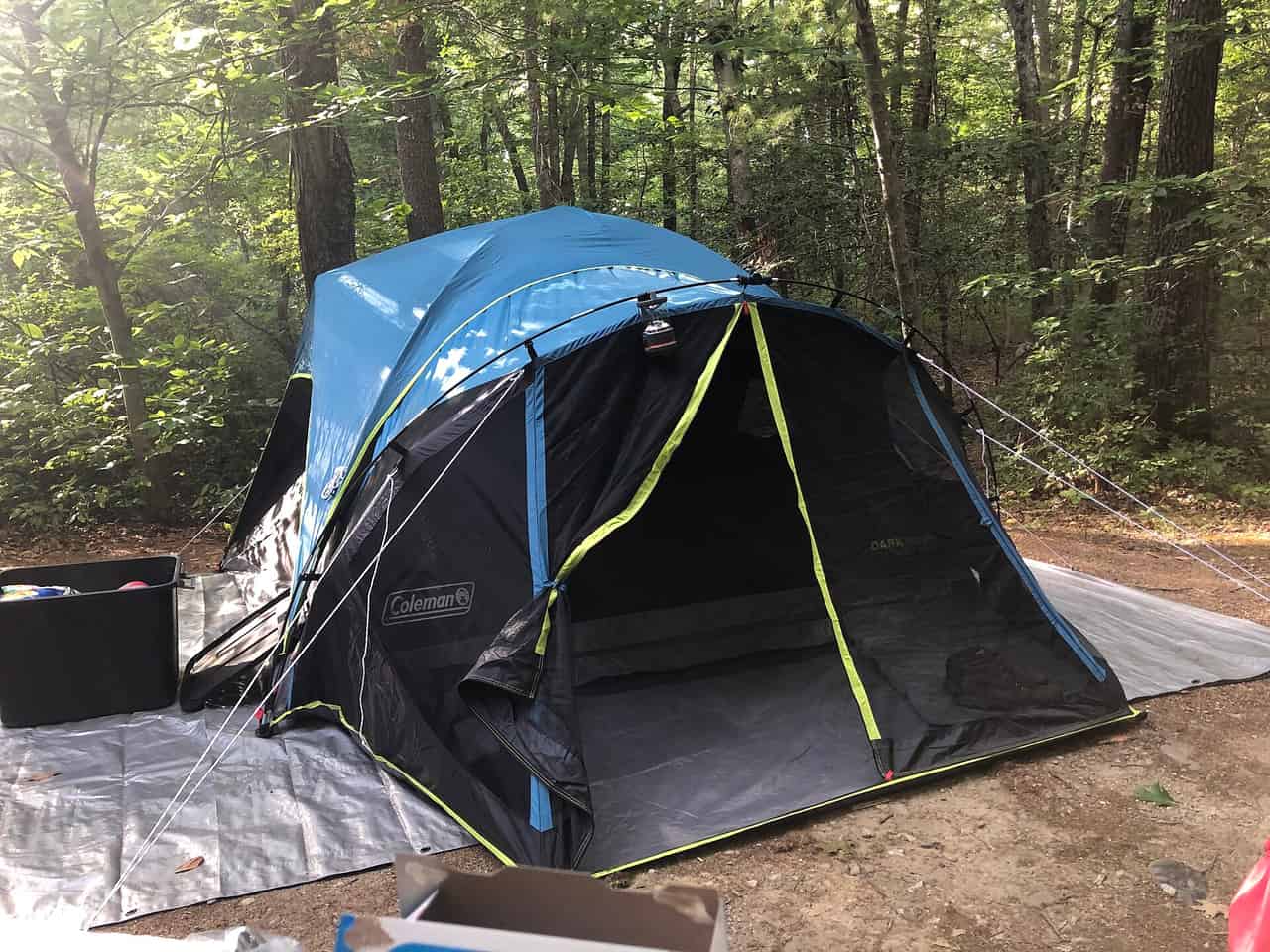
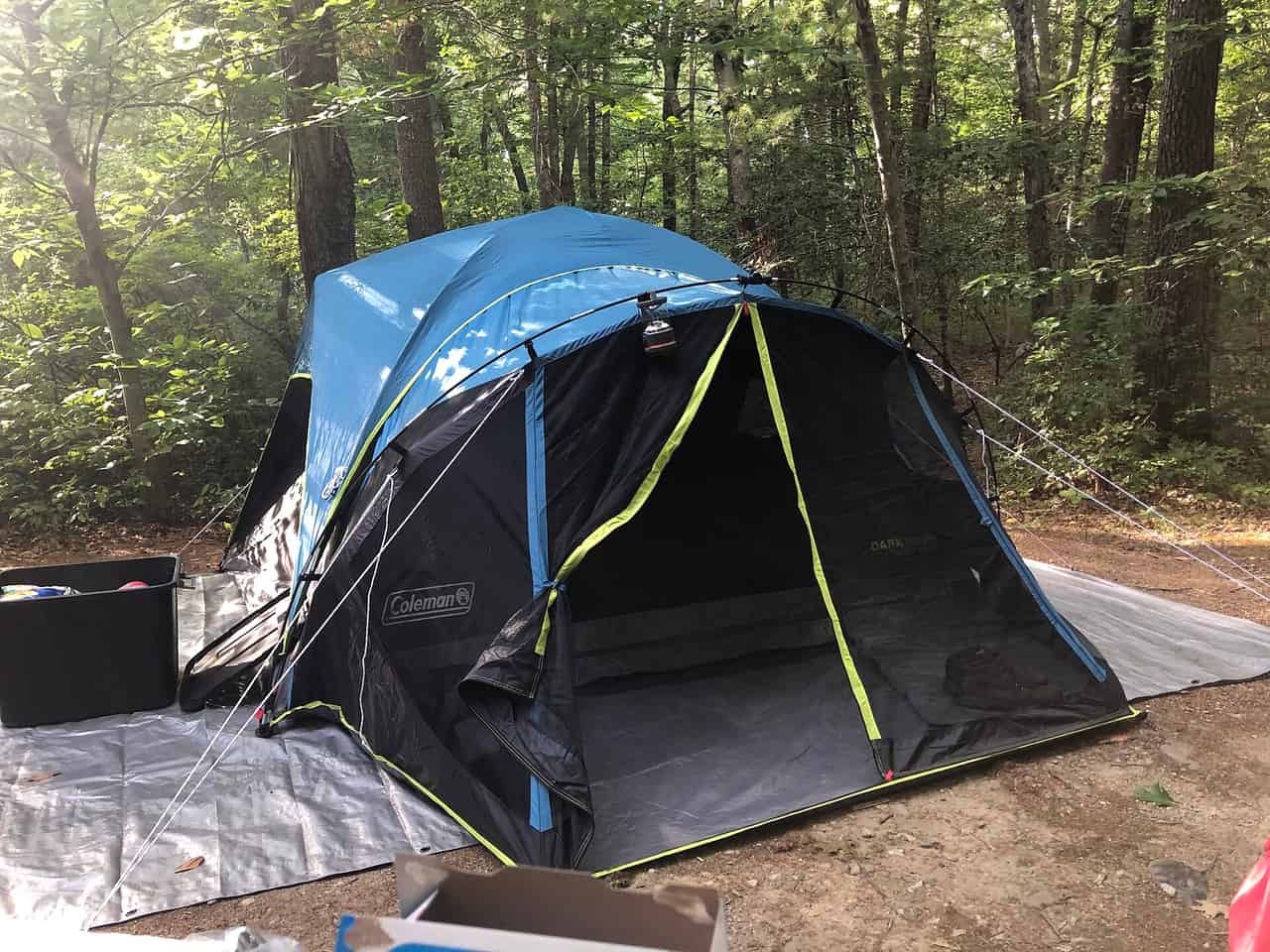
Best camping tent
Seven camping tents ranked on packed size, setup time and the components that fail after a damp storage season.
Top pick: Coleman Sundome 4-Person Tent
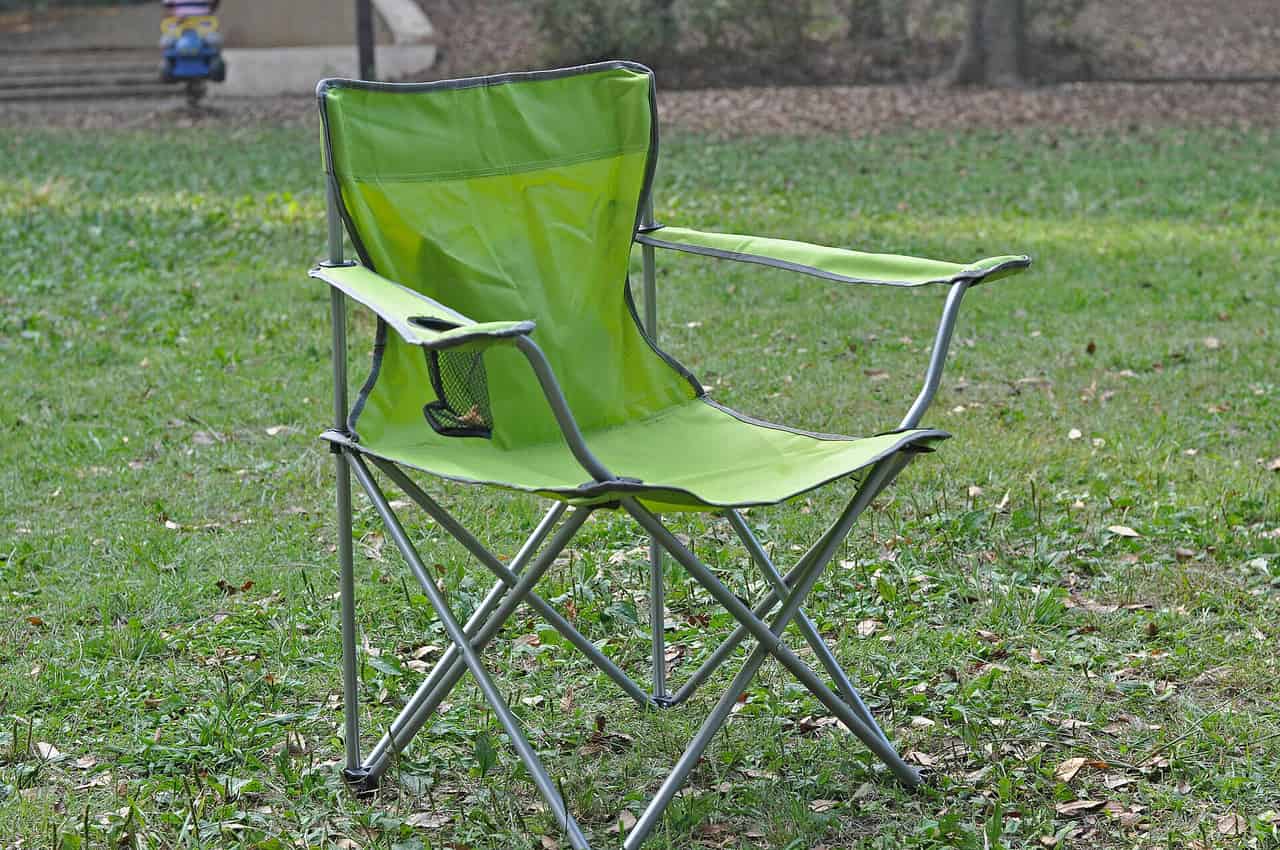
Best camping chair
Seven camping chairs ranked on packed size, hours-long comfort and the hinge and fabric failures owners actually report.
Top pick: Helinox Chair One
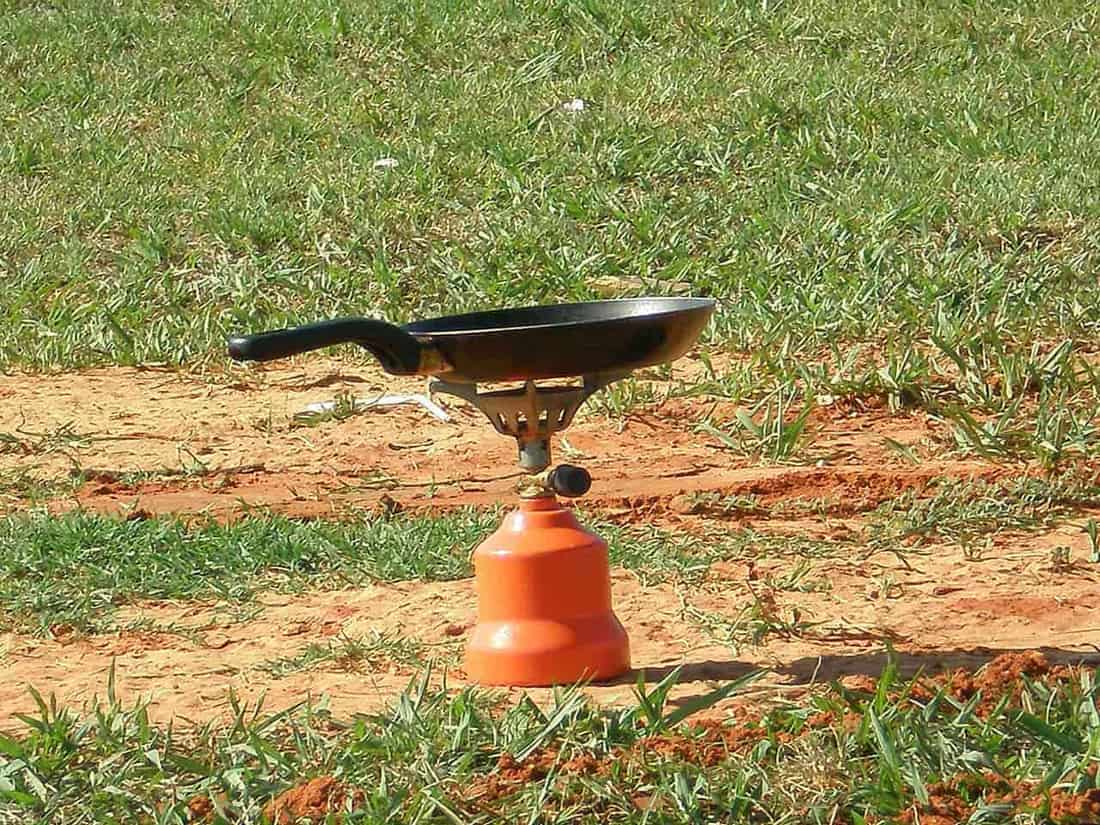
Best camping stove
Six camping stoves ranked on packed size, simmer control and fuel availability, from two-burner propane to a pocket canister stove.
Top pick: Coleman Classic Propane Stove

Best sleeping pad
Six sleeping pads ranked on R-value, packed size and puncture risk, from an indestructible foam mat to a plush car-camping pad.
Top pick: Therm-a-Rest NeoAir XLite NXT

Roundup
Six camping mattresses for tent use, ranked on thickness, insulation and packed bulk -- air beds through thick self-inflating pads.
Top pick: Exped MegaMat Duo 10
Roundup
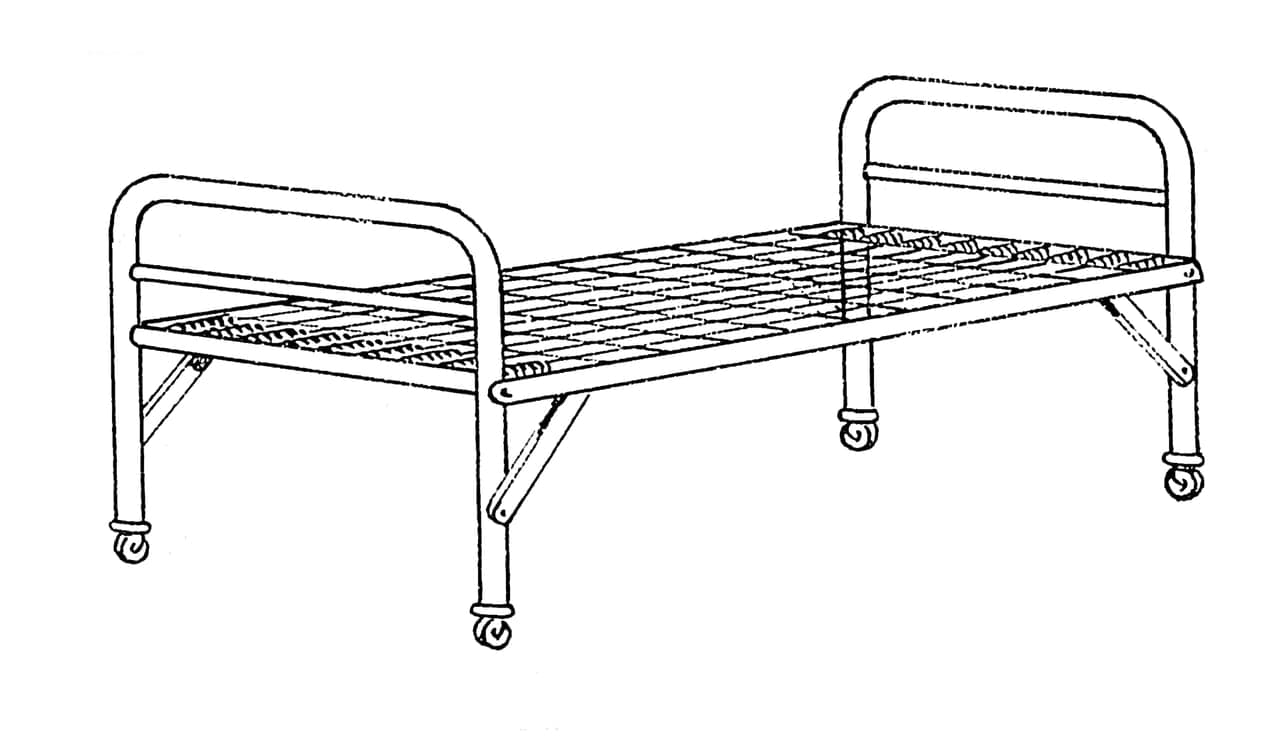
Six camping cots ranked on packed size, stability and how easily you get in and out -- plus why cots sleep colder than pads.
Top pick: Helinox Cot One Convertible

Roundup
Six camping lanterns ranked on usable diffuse light, real runtime and packed size -- rechargeable, battery and collapsible.
Top pick: BioLite AlpenGlow 250
Roundup
Six headlamps ranked on beam quality, regulated output and weight -- rechargeable, AAA and hybrid.
Top pick: Black Diamond Spot 400
Best camping cooler
Six camping coolers ranked on real ice retention, usable capacity and bulk -- rotomolded, budget hard-sided and soft.
Top pick: RTIC 52 QT Hard Cooler
Roundup
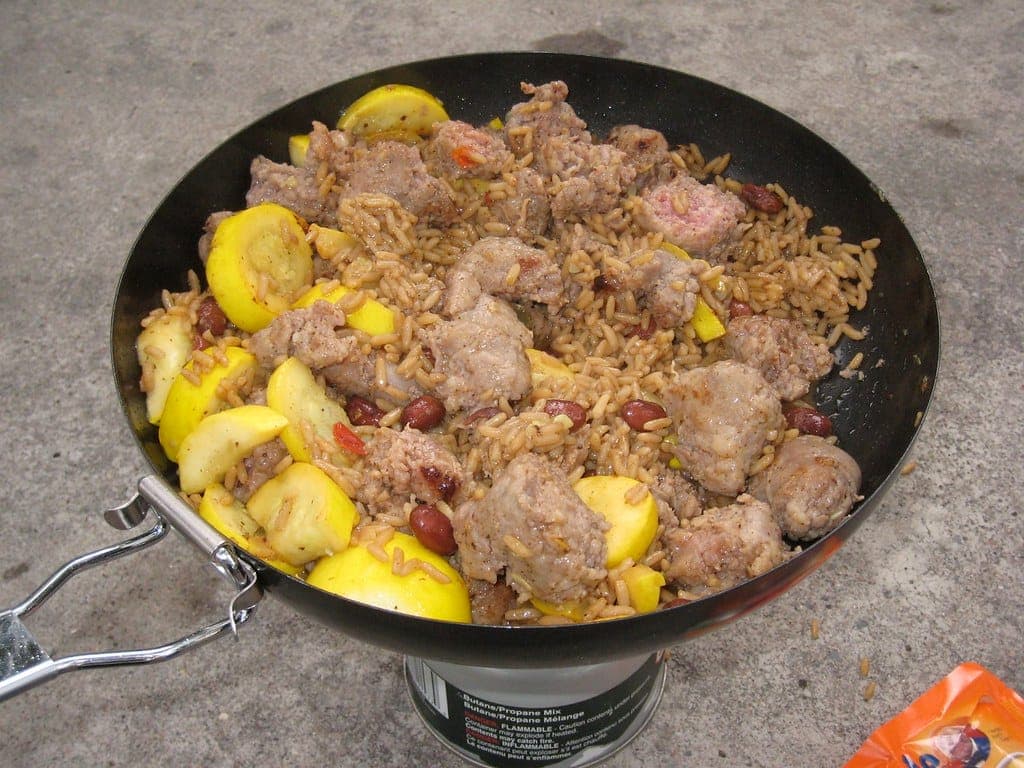
Six camping cookware options ranked on nested bulk, heat distribution and coating durability -- plus why one good pan beats a full set.
Top pick: GSI Outdoors Pinnacle Camper
Roundup
Six power banks for camping ranked on real usable capacity, output speed and packed bulk -- plus solar and lantern hybrids.
Top pick: Anker PowerCore 10000
Best beginner kit
The six things a first-time camper needs, the eight to skip, and why borrowing beats buying for your first two trips.
Top pick: Therm-a-Rest NeoAir XLite NXT
Roundup
Six camping tables ranked on packed size, stability and height -- plus when you genuinely need one.
Top pick: Helinox Table One
Head to head — two options, one answer
Head to head
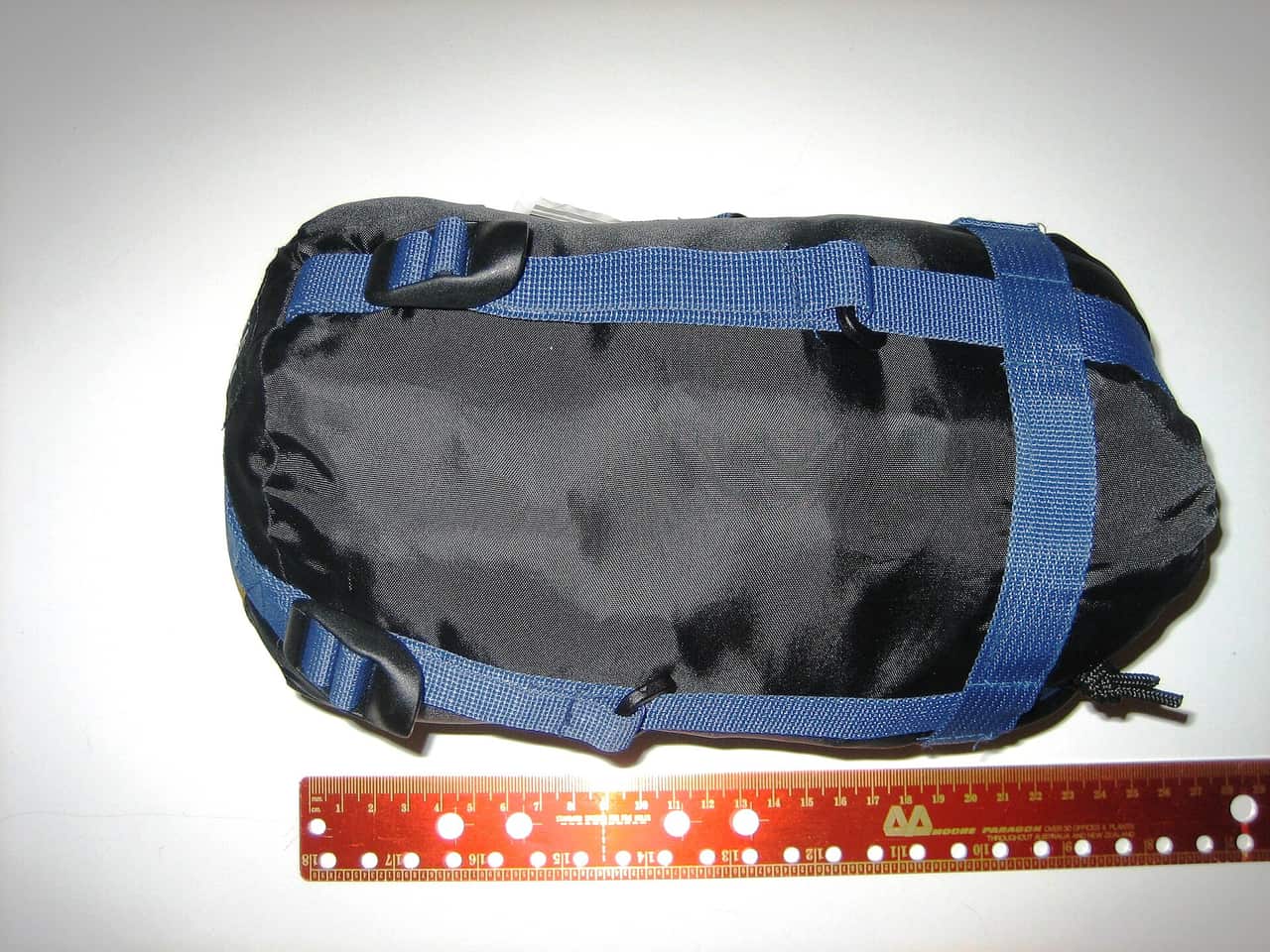
RTIC versus YETI on insulation, seal, build quality, bear certification and resale -- with a clear verdict for each kind of buyer.
Top pick: RTIC 52 QT Hard Cooler
Head to head
Why air mattresses sleep cold, how R-value works, and whether a pad or an air bed is right for your kind of camping.
Top pick: Therm-a-Rest NeoAir XLite NXT
Head to head
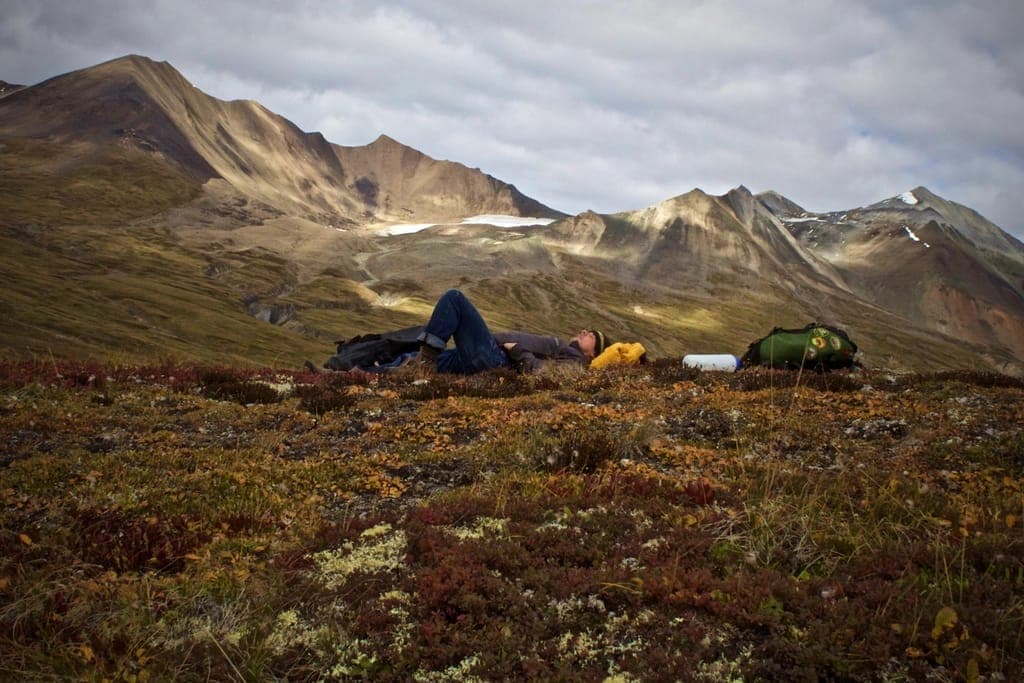
Tent versus hammock on packed size, warmth, site requirements and the real cost of a complete hammock system.
Top pick: REI Co-op Half Dome SL 2+

Head to head
Jetboil versus MSR PocketRocket 2 on boil speed, fuel use, cooking ability and stability -- with a verdict for pouch meals versus real cooking.
Top pick: Jetboil Flash
Head to head
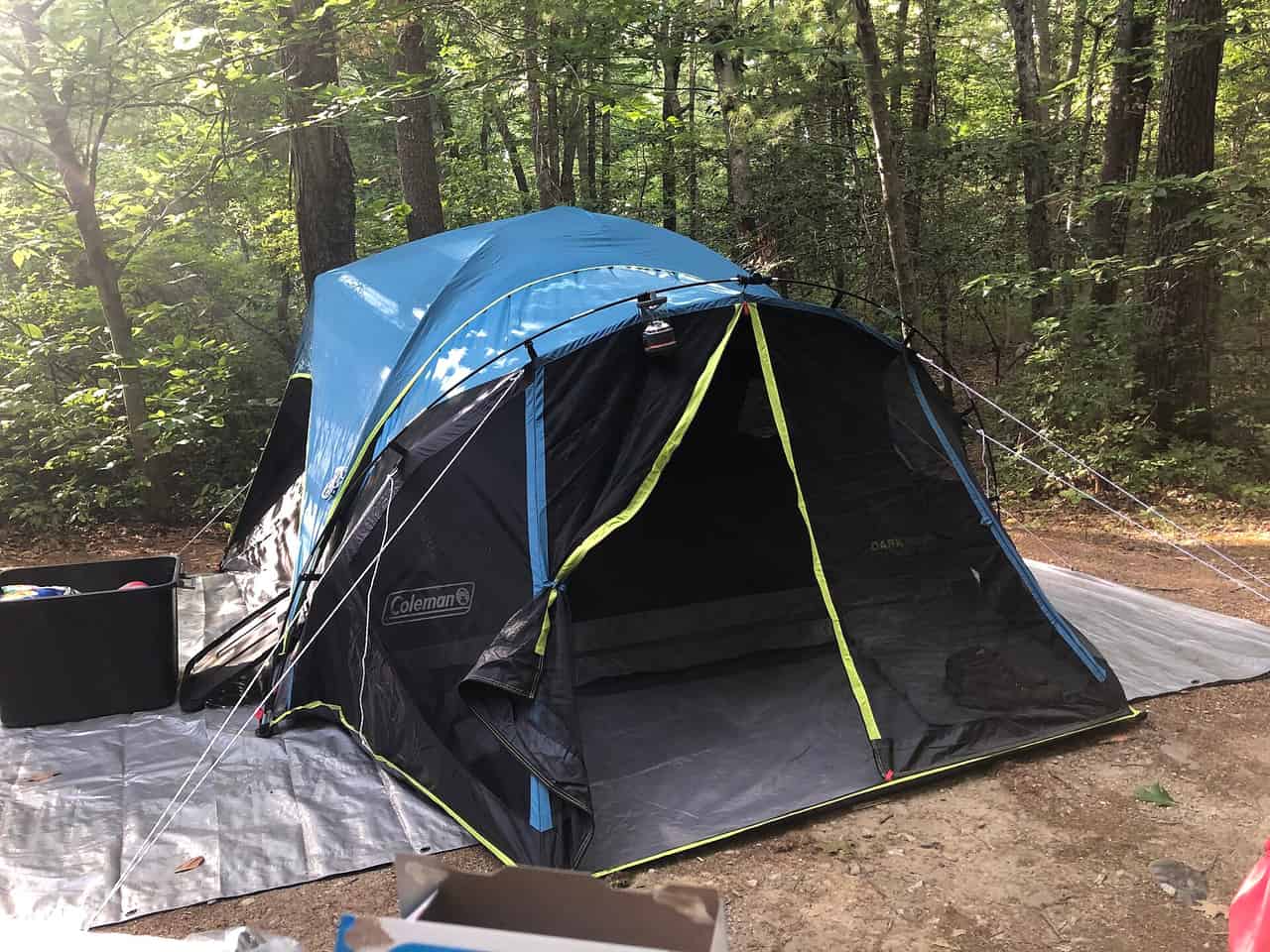
Camping versus backpacking tents on weight, floor durability, livable space and cost -- and whether a crossover tent is a real answer.
Top pick: Coleman Sundome 4-Person Tent
Guides, lists and checklists
Checklist
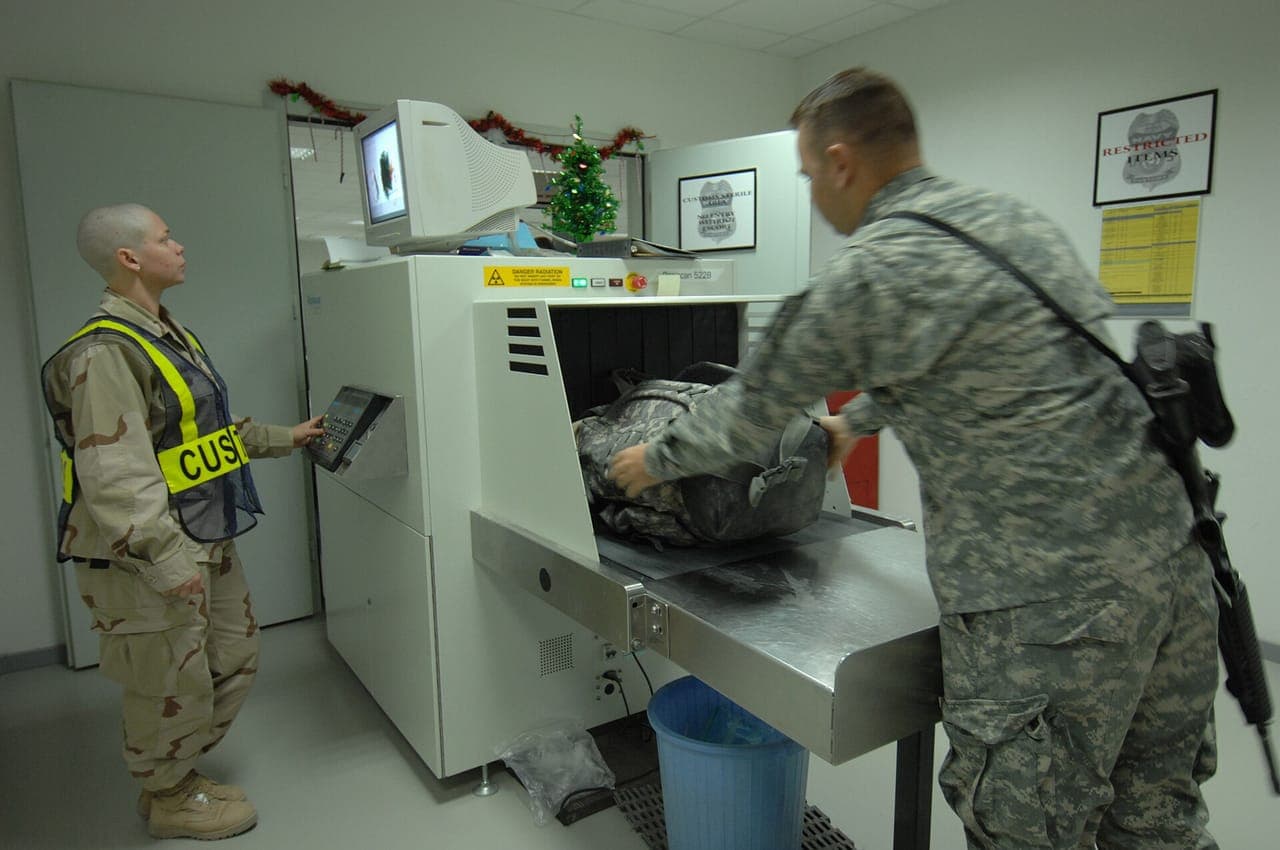
A complete camping checklist by category, plus the items most lists include that you should deliberately leave at home.
Guide
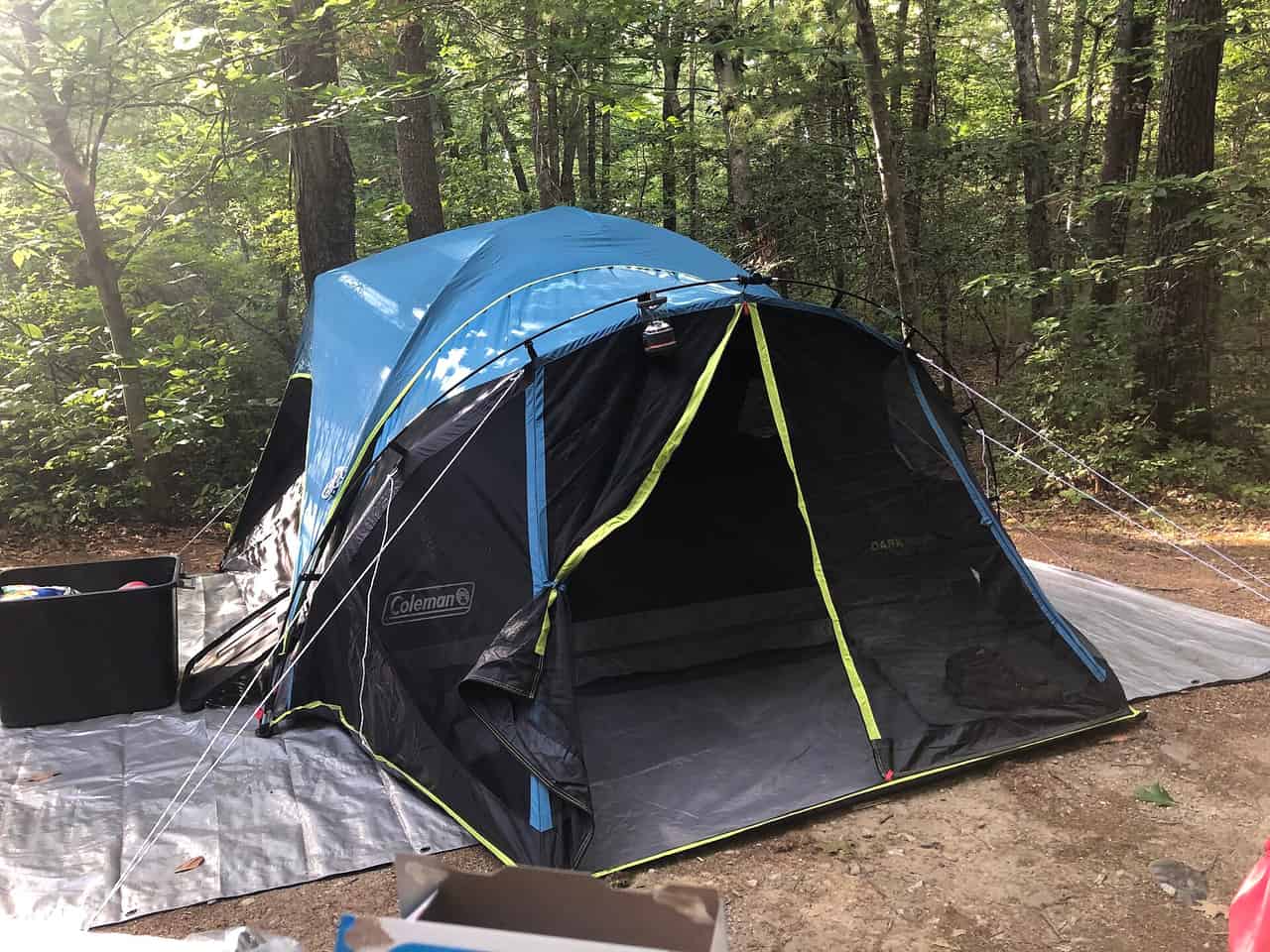
How a camping packing list scales with trip length and season -- overnight through a week, hot weather through freezing.
Guide
Where compact camping gear is a free win, where it costs comfort, and the three categories you should never shrink.
Guide
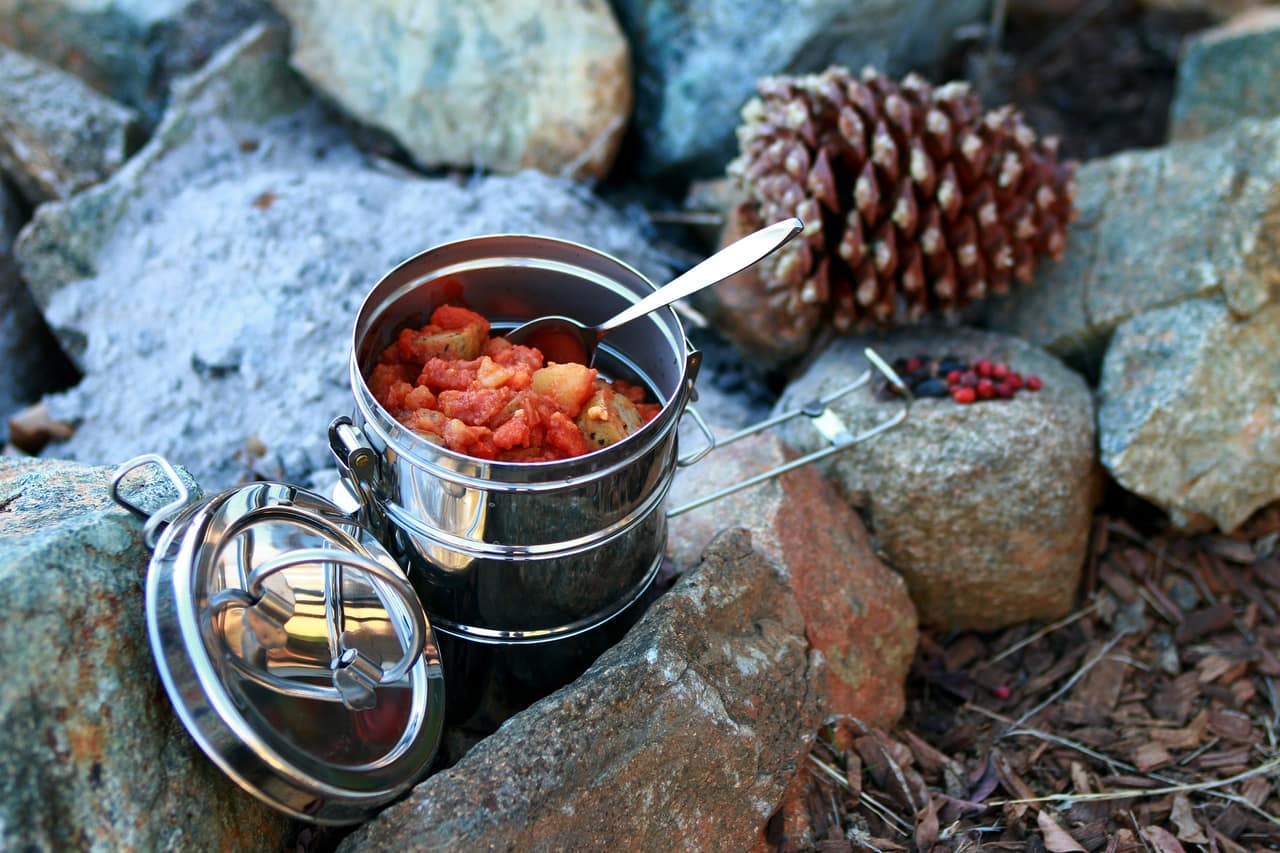
Camping meals by effort level -- no-cook, one-pot and real cooking -- plus the home prep that saves the most time and washing up.
Explainer
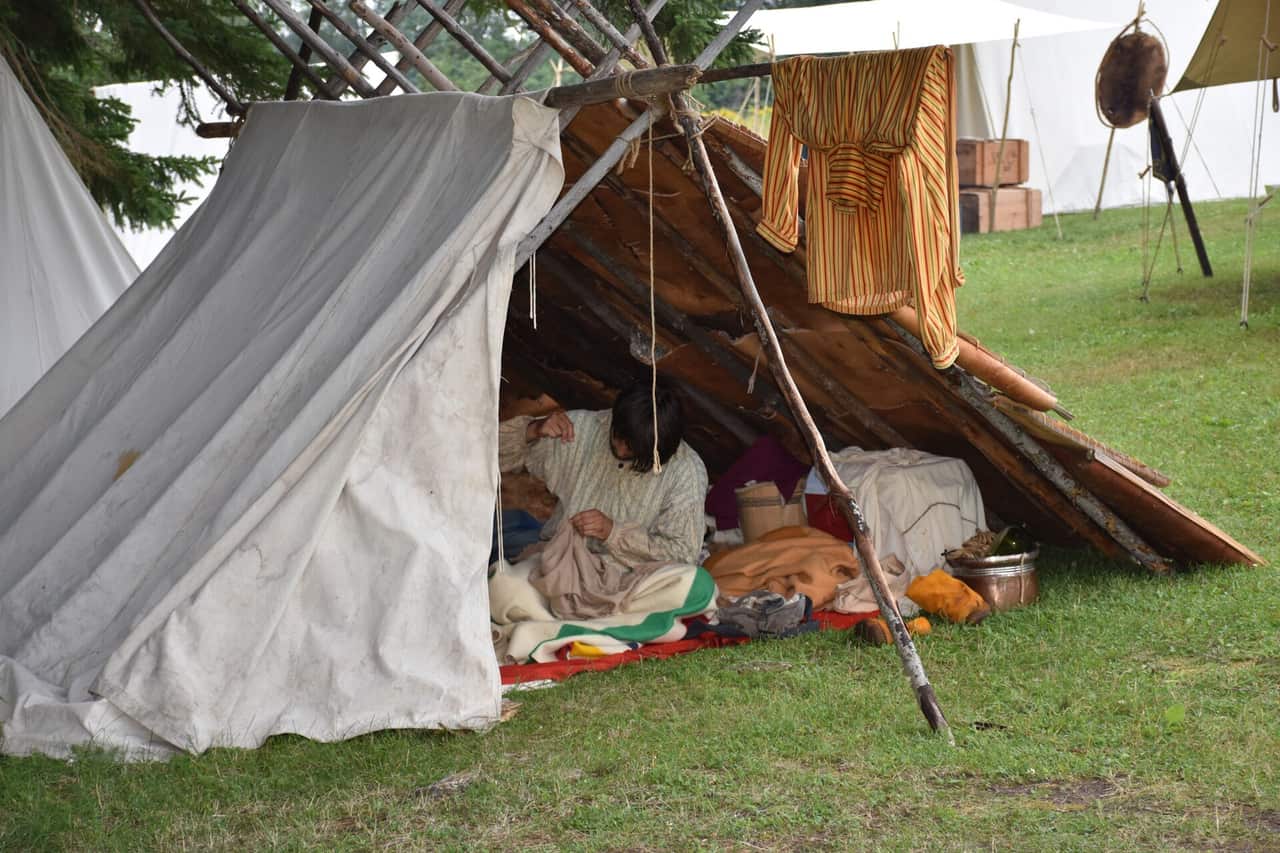
What glamping actually means, how it compares with camping on cost and comfort, and how to add comfort to a setup you already own.
Guide
Where cheap camping gear is genuinely fine, the two places it is a false economy, and how to start for less.
01 — Selection criteria
Across every category in this hub, the same four questions separate gear worth owning from gear that gets replaced after one season.
02 — Budget strategy
Camping has a clear split between categories where the cheap version is genuinely fine and categories where it is a false economy. Getting this split right matters more than brand loyalty.
Spend on sleep. Your sleeping pad and bag decide whether the trip was pleasant. An inadequate pad means a cold, hard night no amount of tent quality fixes, and insulation is the one spec that cannot be improvised at the campsite. This is where a serious upgrade changes the experience most.
Spend on the cooler if you care about multi-day trips. Rotomolded insulation genuinely holds ice for days where a thin-walled cooler holds it for hours. If your trips are overnight, this does not apply and the budget cooler is the right answer.
Save on the stove. A basic propane two-burner has been a solved problem for decades, and the expensive versions mostly buy ignition convenience and a cleaner look. Save on chairs too, within reason -- the failure mode is a torn seat or a bent hinge, and mid-priced chairs fail about as often as premium ones.
Save on cookware, then upgrade one piece. A cheap nesting set plus one good pan covers almost everything. Full premium camp kitchen sets are the most commonly regretted purchase in this category.
03 — Limits
We do not test gear in a lab and we do not claim field hours we have not logged. Every pick here comes from published specs, manufacturer documentation, and patterns in what owners report over time -- which is a real method with real limits, and we would rather you know them than trust a number we made up.
What that means in practice: you will not see a star rating from us, you will not see a price, and you will not see the phrase "in our testing." You will see the criteria we applied, named products that are currently sold, and at least one honest negative on every single pick. Read how we pick for the full method.
Same gear, other trips