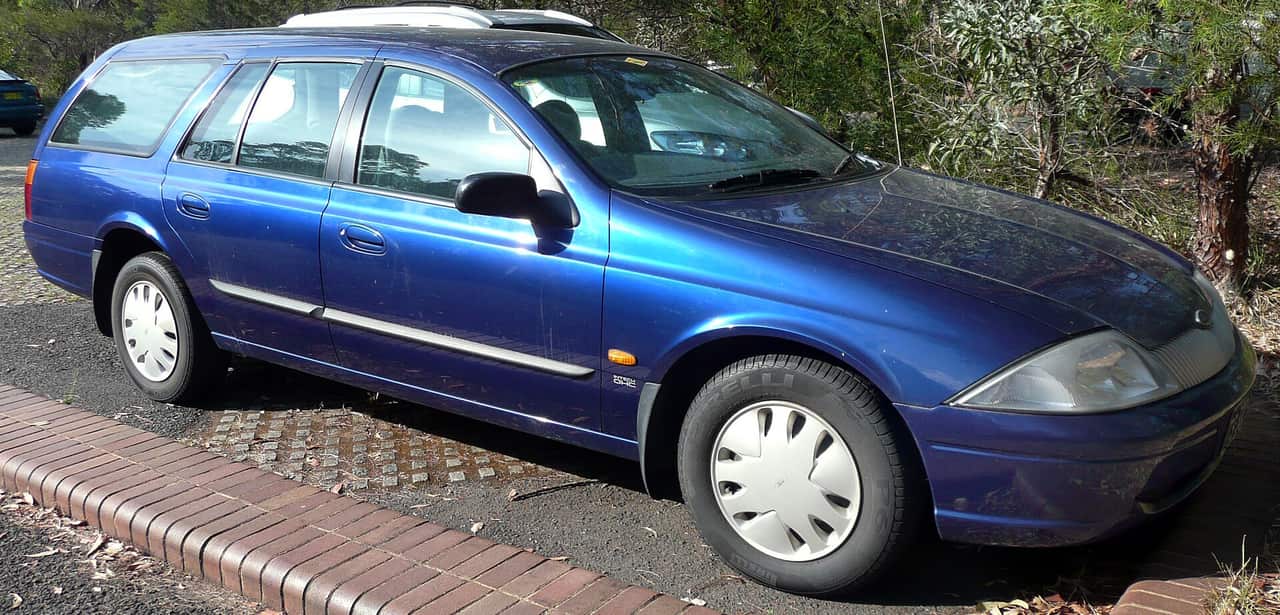
Best car camping mattress
Best car camping mattresses
Six car camping mattresses ranked on fitting real cargo areas, insulation and bulk -- plus the three measurements to take first.
Top pick: Exped MegaMat Duo 10
03 — Road Trip
In-car sleep, power, mounts and the long-drive essentials -- sized for a regular car, not a custom build.

What this kit has to do
Most road trip gear content is secretly about van builds. This hub is not. It assumes a normal car or SUV that also has to do the school run, which means nothing gets bolted in, everything comes out, and the measurement that decides a purchase is the folded-seat cargo area of a specific vehicle.
That constraint is why car camping mattresses are the hardest category here. Cargo areas are not rectangles. They have wheel wells, a slope where the seats fold, and a tailgate that has to shut. A mattress that is perfect in a Transit is unusable in a Crosstrek, and sizing is the single most common source of returns in the category.
Power is the other defining problem. A long drive gives you abundant 12-volt power while the engine runs and none of it when parked, which is exactly when you want to charge things. That is the gap portable power stations fill, and it is also why the honest advice for most people is a smaller unit than the marketing suggests -- you are running phones, a fan and a light, not a refrigerator.
Everything else here is about the drive itself: a mount that holds your phone where you can see it, speakers that survive a dusty footwell, and the packing lists that stop you buying a second phone charger at a gas station for four times what it should cost.
Roundups — what to buy
Best car camping mattress
Six car camping mattresses ranked on fitting real cargo areas, insulation and bulk -- plus the three measurements to take first.
Top pick: Exped MegaMat Duo 10
Roundup
Six car phone mounts ranked on how they attach, heat tolerance and viewing position -- and why suction cups fail.
Top pick: Peak Design Car Mount

Roundup
Six road trip gadgets that solve real problems in a car, plus the popular ones that are not worth the space.
Top pick: Anker 335 Car Charger
Best power station
Six portable power stations ranked by usable capacity, recharge speed and weight -- plus how to size one from your real draw.
Top pick: Jackery Explorer 300
Head to head — two options, one answer
Head to head
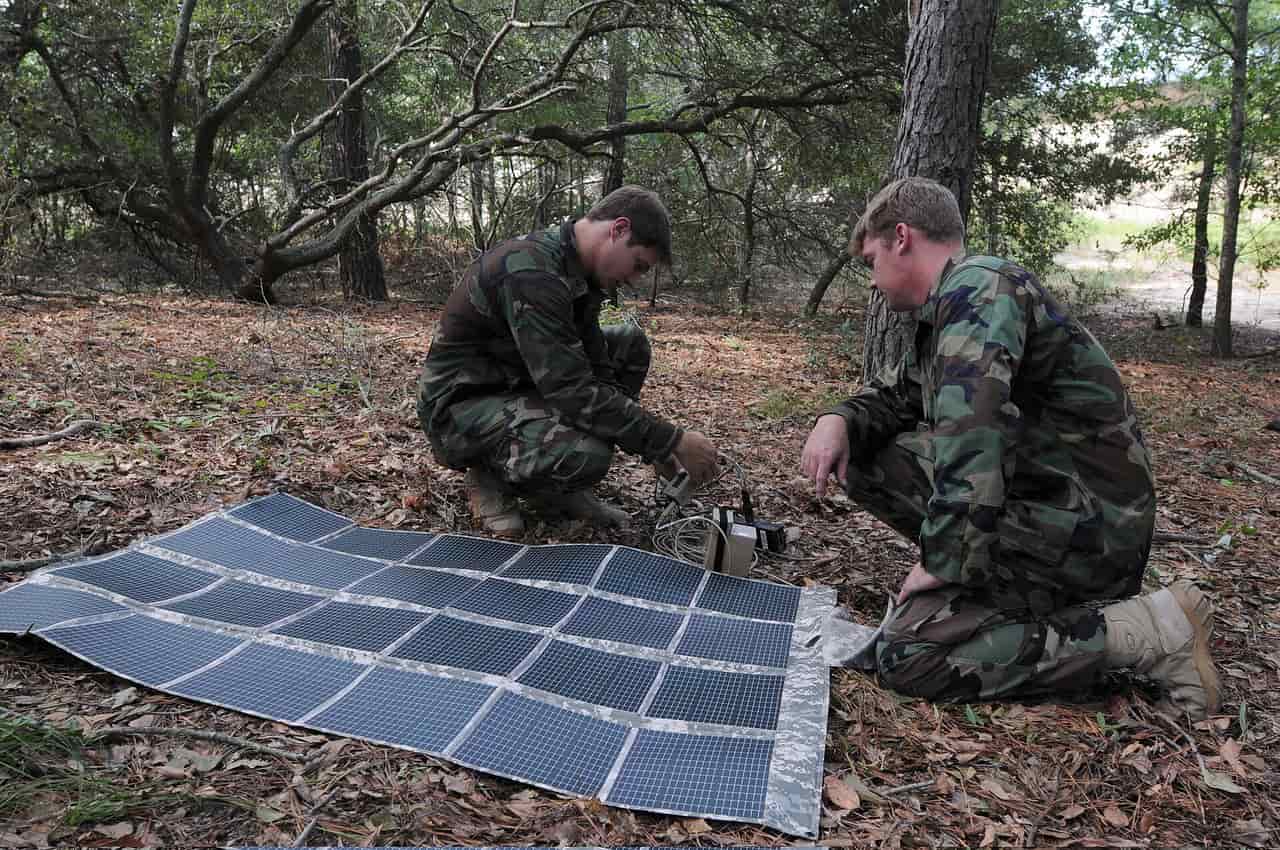
Jackery, Anker and EcoFlow power stations compared on chemistry, recharge speed, output and noise -- with a verdict per use case.
Top pick: Jackery Explorer 300
Head to head
Sleeping in a vehicle versus in a tent -- setup, warmth, condensation, weather and where each is actually permitted.
Top pick: Luno Air Mattress 2.0

Head to head
Hard versus soft coolers on retention, capacity, portability and packing flat -- and why owning one of each is the usual answer.
Top pick: RTIC 52 QT Hard Cooler
Guides, lists and checklists

Checklist
A road trip essentials list grouped by cabin, cargo and vehicle, plus the five pre-departure checks that matter.

Guide
How a road trip packing list scales with length and season -- weekend through two weeks, plus hot and winter driving.

Checklist
A car camping checklist covering in-vehicle and tent sleeping, power, kitchen and the vehicle kit that supports both.

Guide
Road trip snacks that survive a hot car and do not make a mess, plus what to skip and how to pack a cooler.
01 — Sizing method
Do this before reading any mattress review, including ours. It takes five minutes and it prevents the most expensive mistake in this hub.
02 — Power sizing
Power stations are sold on watt-hours, and the number almost everyone needs is smaller than the one they buy. Work it out from your actual draw rather than from a capacity that sounds reassuring.
Phones and a light only: a large power bank is enough. A phone battery is in the region of 15 to 20 watt-hours, so even a modest bank covers a weekend of charging for two people with room to spare. A power station is an expensive way to charge a phone.
Phones, a fan, a light and a laptop: this is the band where a small power station earns its place. A 12-volt fan running overnight and a laptop charge are both meaningful draws, and the extra output sockets matter as much as the capacity.
A 12-volt fridge: this is the only common use case that genuinely needs a large unit, because a fridge draws continuously rather than in bursts. If a fridge is in the plan, size for it specifically and expect to pay for it.
The other number to check is recharge speed from the car. A unit that only recharges meaningfully from mains power is much less useful on a road trip than one that refills while you drive, regardless of its capacity.
03 — What to skip
Three categories show up repeatedly in owner complaints, and all three are easy to avoid.
Suction-cup phone mounts in hot climates. Vent mounts and adhesive mounts both outlast them. Heat cycles kill suction adhesion, and a mount that drops your phone into the footwell on a highway is worse than no mount.
Oversized rooftop cargo boxes for occasional use. They cost fuel economy on every mile and need somewhere to live for the other fifty weeks of the year. A duffel strategy inside the vehicle solves most of what people buy them for.
Single-purpose car camping furniture. A table that only works in a tailgate, a kitchen that only unfolds one way. The gear that stays in use is the gear that also works at a campsite picnic table.
Same gear, other trips