Best packing cubes
Best packing cubes
Six packing cube sets ranked on compression, fabric durability and fitting a carry-on -- with an honest account of what cubes do.
Top pick: Eagle Creek Pack-It Reveal Cube Set
04 — Carry-On
Packing, luggage and in-flight comfort for people who would rather not check a bag -- or wait at a carousel.

What this kit has to do
Flying is the most rule-bound kind of trip this site covers. There is a fixed volume you are allowed, a second smaller volume under the seat, and a weight limit that some airlines enforce and others ignore. Every purchase in this hub is really a decision about how to use those two volumes.
The honest starting point is that packing cubes do not save space. Compression cubes save a little by squeezing air out of soft fabrics; plain cubes save none at all. What they do is make the space you have usable, so you stop unpacking an entire bag to find one thing. That is a real benefit and it is worth buying for -- but it is not the one the category is usually sold on.
The second thing worth being clear about is the difference between carry-on size and personal-item size. The overhead bag is the one airlines measure. The personal item is the one that goes under the seat, and it is where the strict budget airlines actually make their money on fees. A bag that fits the personal-item slot on a specific airline is a different product from a bag that fits the bin, and conflating the two is the most expensive mistake in this hub.
Comfort gear -- pillows, compression socks, eye masks -- gets the same treatment as everything else here. We say which ones work for which sleeping position and body, and we say plainly when a category is mostly placebo.
Roundups — what to buy
Best packing cubes
Six packing cube sets ranked on compression, fabric durability and fitting a carry-on -- with an honest account of what cubes do.
Top pick: Eagle Creek Pack-It Reveal Cube Set

Roundup
Six travel pillows ranked by sleeping position and what actually stops your head dropping -- plus why U-shapes fail.
Top pick: Trtl Pillow Plus
Best travel backpack
Six carry-on sized travel backpacks ranked on how they open, harness quality and airline compliance.
Top pick: Osprey Farpoint 40
Roundup
Six carry-on suitcases ranked on wheel quality, shell type and airline compliance -- plus why wheels are the failure point.
Top pick: Travelpro Platinum Elite Carry-On
Roundup
Six toiletry bags ranked on hanging design, leak containment and clearing the liquids rule -- plus what to decant into.
Top pick: Peak Design Wash Pouch
Roundup
Six compression socks for flying ranked on graduated compression, sizing accuracy and calf width options.
Top pick: Sockwell Elevation Firm Compression

Roundup
Six travel adapters ranked on plug coverage, USB-C output and safety -- plus the adapter versus converter distinction.
Top pick: EPICKA Universal Travel Adapter
Roundup
Six duffel bags ranked on carry comfort, fabric durability and whether they pack flat when empty.
Top pick: Patagonia Black Hole Duffel 55L
Roundup
Six personal item bags sized for under the seat, ranked on compliance, organization and in-flight usability.
Top pick: Osprey Daylite
Roundup
Eight travel accessories that solve real frictions, plus the popular ones that are not worth the space.
Top pick: Anker Prime 67W Charger with Interchangeable Plugs
Head to head — two options, one answer

Head to head
Packing cubes, compression cubes and vacuum bags compared on space saved, weight, wrinkles and practicality.
Top pick: Eagle Creek Pack-It Reveal Cube Set
Head to head
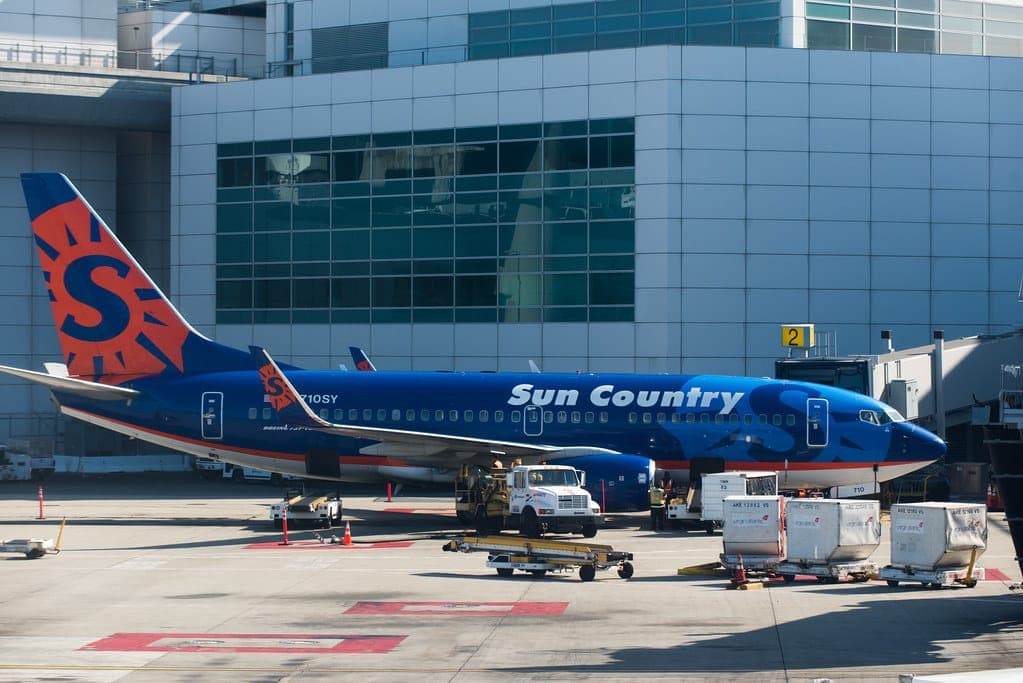
The two airline bag classes explained -- what fits each, what belongs in each, and why the personal item matters more.
Top pick: Travelpro Platinum Elite Carry-On

Head to head
Travel backpack versus wheeled suitcase on carrying, terrain, organization and protection -- with a verdict per trip type.
Top pick: Osprey Farpoint 40
Guides, lists and checklists
Guide
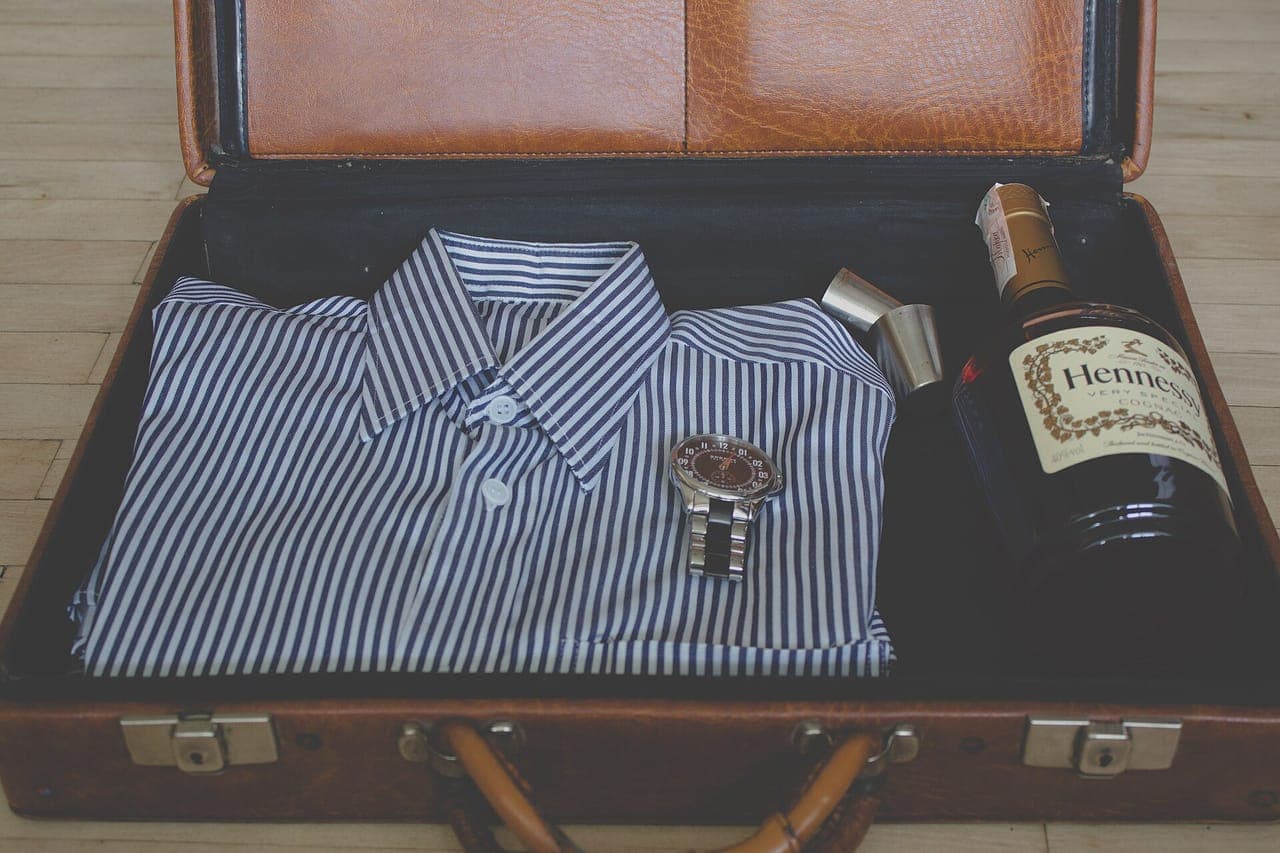
The method for packing a week or more into a carry-on -- the capsule wardrobe, laundry, and what to wear rather than pack.
Checklist
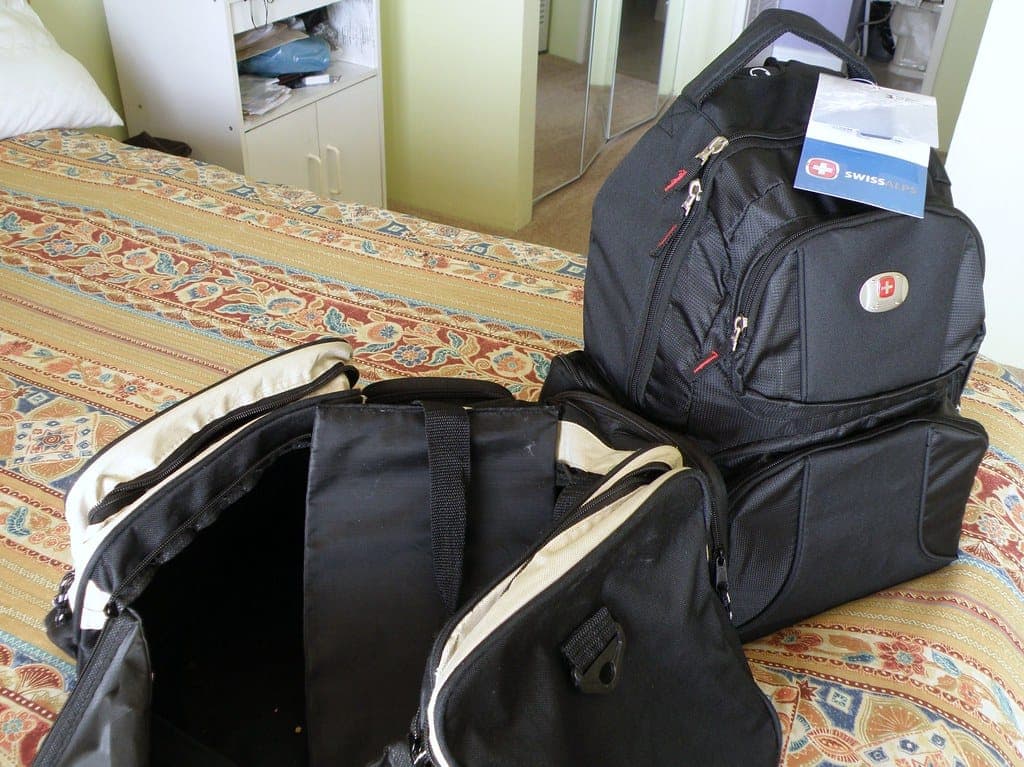
A carry-on essentials list split between the overhead bag and the personal item, with the security and battery rules that matter.

Guide
What to pack in a carry-on by trip length and climate, with the packing order and the quantities that do not scale.
Guide
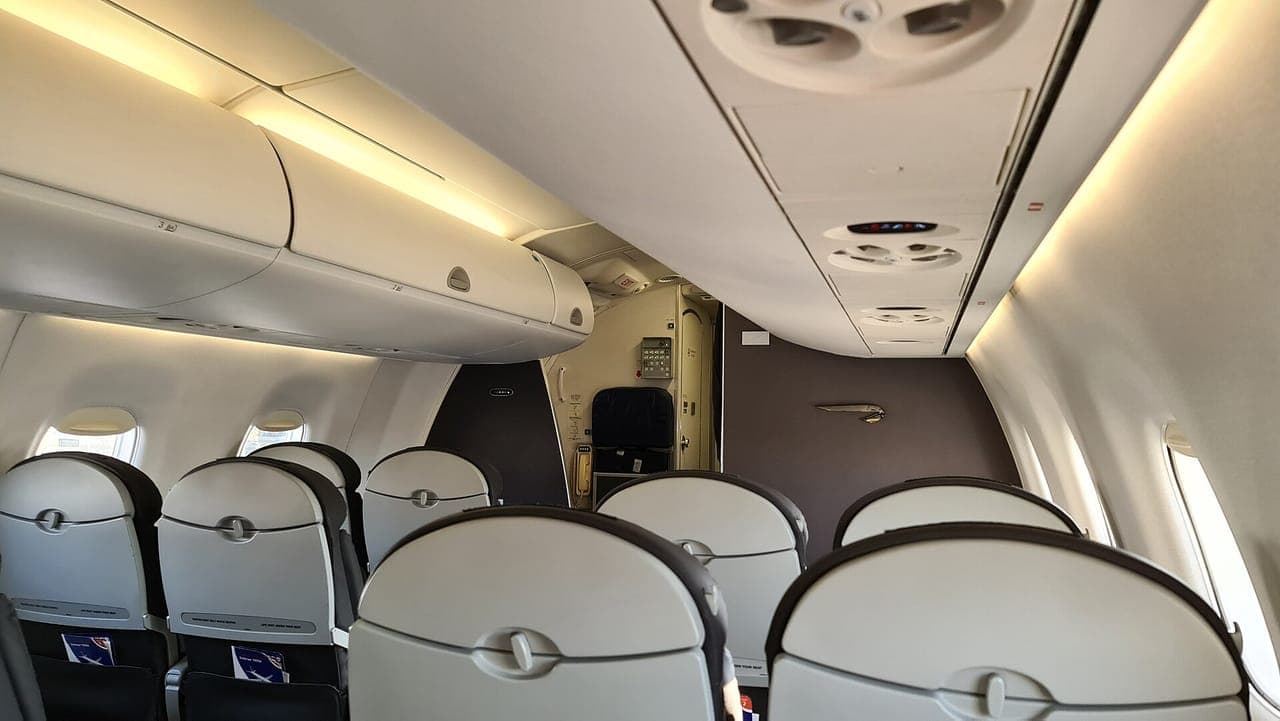
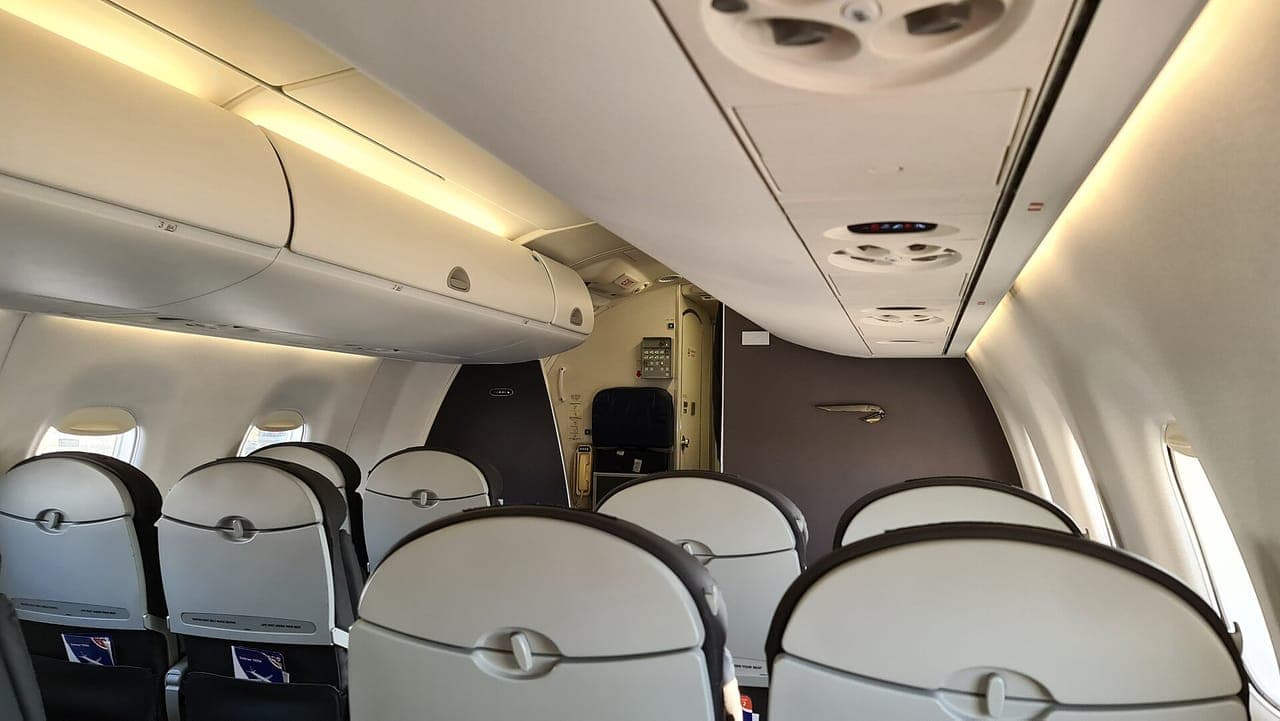
What to keep at your seat on a flight: comfort, hydration, electronics and the small items that matter most.
Guide
What genuinely helps on a flight over eight hours -- sleep, circulation, hydration, and planning for arrival.
01 — Build order
A complete carry-on setup is four things, and most people buy them in the wrong order.
02 — Method
The technique matters more than the gear, and it is genuinely simple once the order is right.
Roll what wrinkles and fold what does not. Knits, t-shirts and underwear roll tight and recover well. Structured shirts and pants fold flat and do better in a single flat layer at the top of the bag.
Put weight at the wheels, or at your back. In a wheeled bag, heavy items sit at the wheel end so the bag does not tip. In a backpack, heavy items sit against your spine so the load does not pull you backwards.
Use shoes as containers. Socks, chargers and small bottles go inside them. It is the single largest piece of reclaimed volume available in a carry-on.
Keep liquids in the personal item, not the overhead bag. If security wants them, you are not pulling your main bag out of a bin to find them.
Leave one empty cube. It gives you somewhere to put worn clothes, so the clean side of the bag stays clean. Full detail is in how to pack light.
03 — Sizing reality
Carry-on allowances vary by airline and by route, and they change. Rather than print numbers that will be wrong by the time you read this, the durable advice is structural: check your specific airline's current published dimensions before flying, and treat the stated dimensions of any bag as the dimensions when empty.
That second point is the one that catches people. A soft-sided bag advertised at a compliant size grows when it is packed, especially at the front pocket. If you are flying a carrier that uses sizers at the gate, buy a bag rated a little under the limit rather than exactly at it, and avoid the expandable zipper on the way out.
For the carry-on versus personal item distinction, and what belongs in each, see carry-on versus personal item.
Same gear, other trips