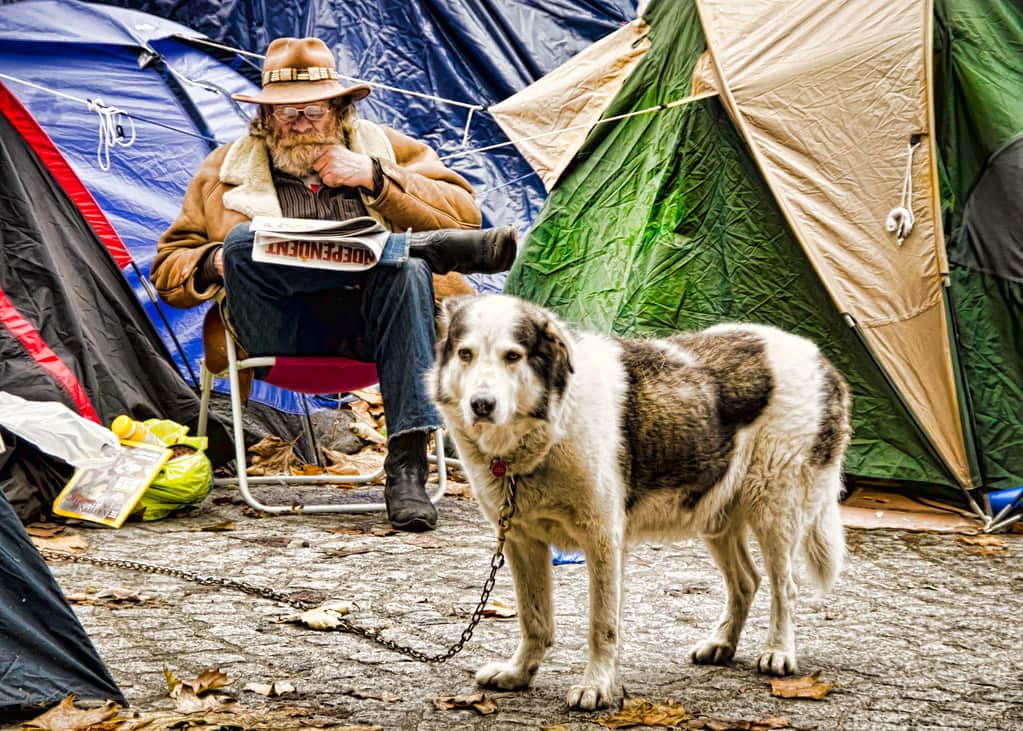
Best dog camping gear
Best dog camping gear
Six pieces of dog camping gear ranked on durability and sizing, plus what actually fails at a campsite.
Top pick: Therm-a-Rest Z Lite Sol
06 — Trail Dog
Packs, shelter, water and travel kit for dogs -- with the sizing and heat limits stated plainly, because those are what actually go wrong.

What this kit has to do
Dog gear is the category on this site with the widest gap between how it is marketed and how it fails. Almost nothing fails because it was badly made. It fails because it was the wrong size, or because it was used in conditions the dog could not handle, and neither of those is on the box.
So sizing comes first on every page in this hub. Dog packs and harnesses are fitted to girth, not to breed or to weight, and the same forty-pound dog can need two different sizes depending on chest depth. Where a product's sizing runs unusually small or large according to owner reports, we say so, because that is the single most useful thing we can tell you.
The second thing is load and heat. A healthy adult dog can carry a modest share of its own body weight, and the commonly cited guidance from veterinary and canine-sport sources is conservative for good reason -- growing dogs should not carry weight at all, and brachycephalic breeds should not be loaded or worked hard in heat. We are not vets and this is not veterinary advice, but we will not sell you a pack without telling you that.
The rest is practical: a tent floor that survives claws, water that is carried where the dog can drink it, a car restraint that is actually a restraint, and the gear that makes a dog welcome at a campsite rather than a problem for everyone around it.
Roundups — what to buy
Best dog camping gear
Six pieces of dog camping gear ranked on durability and sizing, plus what actually fails at a campsite.
Top pick: Therm-a-Rest Z Lite Sol
Roundup
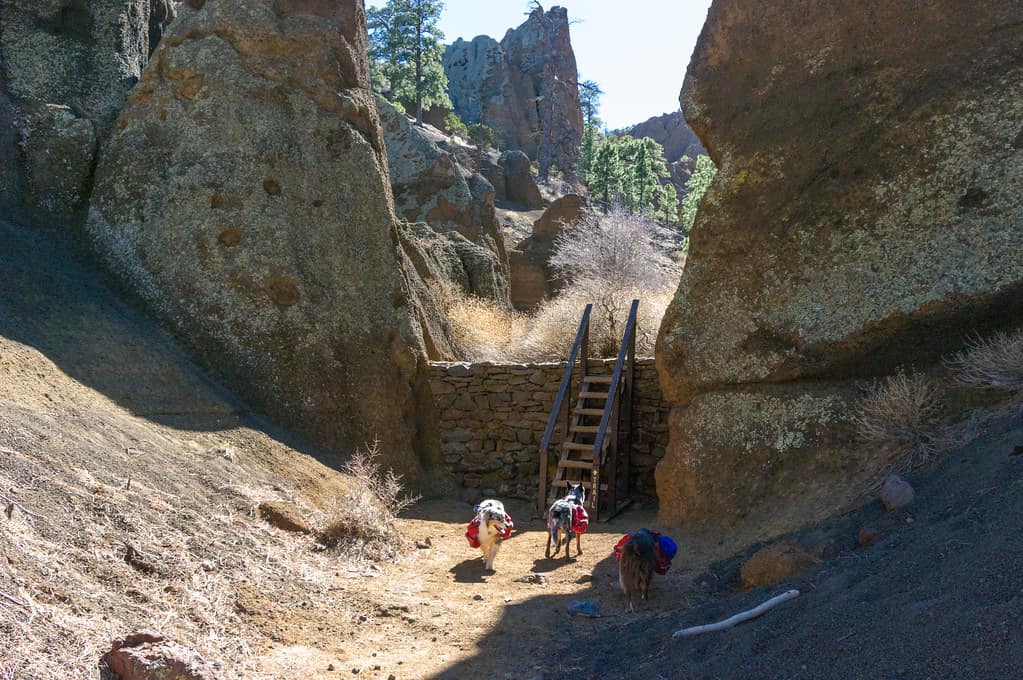
Six pieces of dog hiking gear, with load limits, heat limits and sizing spelled out properly.
Top pick: Ruffwear Front Range Harness

Roundup
Six dog hiking packs ranked on fit, panel placement and balance, with the load and age limits stated plainly.
Top pick: Ruffwear Approach Pack
Roundup
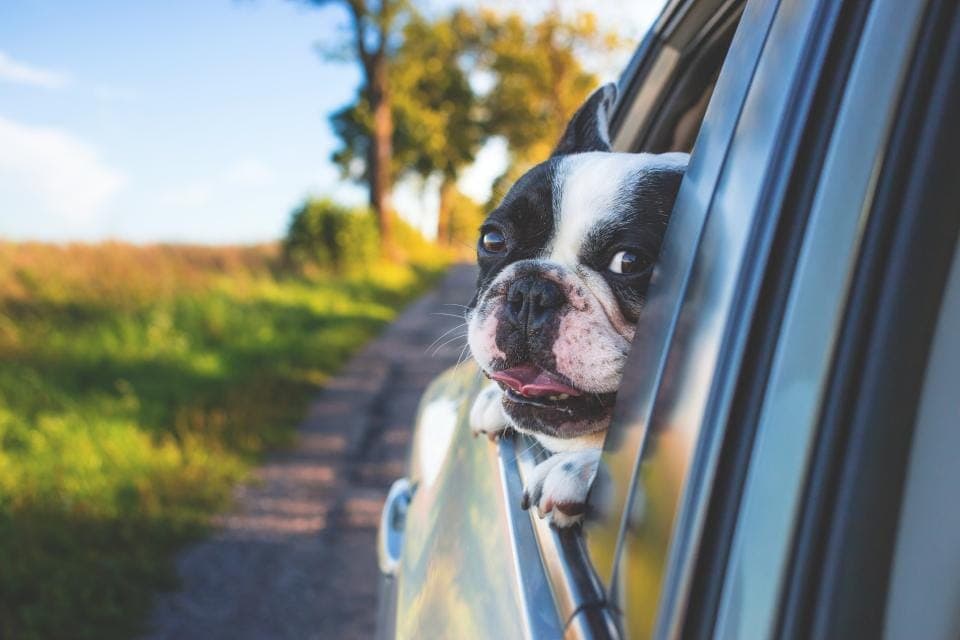
Six dog travel accessories for road trips, led by restraint -- plus water, bedding and containment.
Top pick: Sleepypod Clickit Sport Crash-Tested Harness
Roundup
Six tents judged on floor strength and door design -- the two things dogs actually damage -- plus how to protect both.
Top pick: Coleman Sundome 4-Person Tent
Head to head — two options, one answer
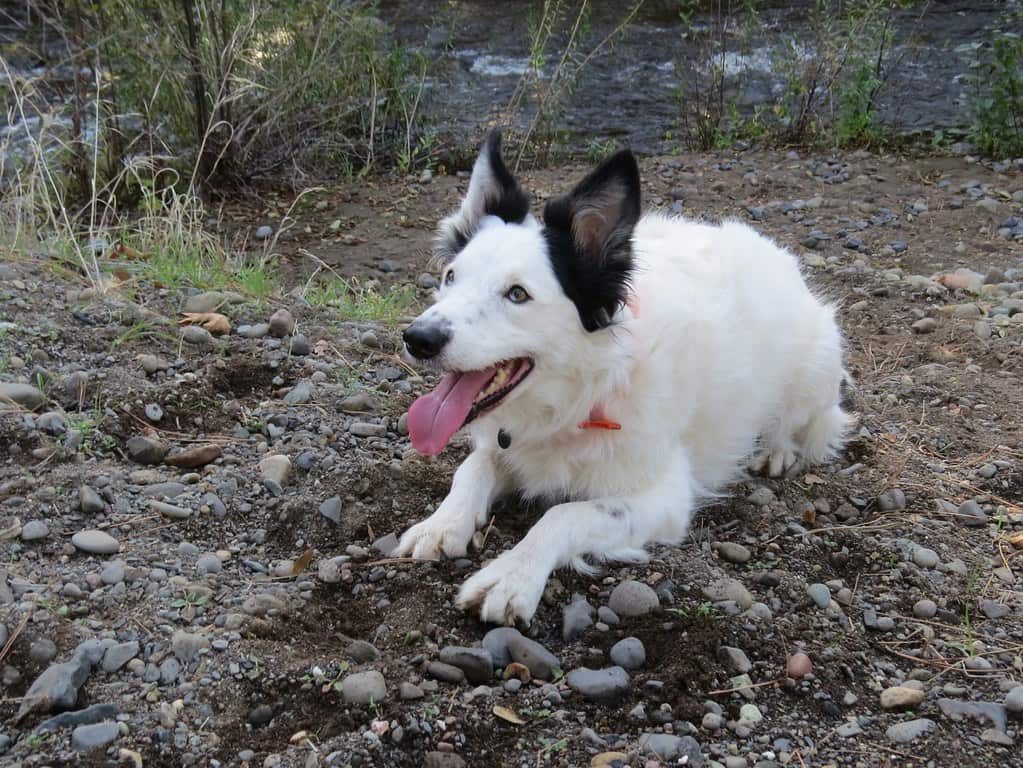
Head to head
A dog-worn pack versus a human-worn carrier -- which suits small dogs, puppies, older dogs and hot weather.
Top pick: Ruffwear Approach Pack
Head to head
Harness versus collar on where force goes, control, flat-faced breeds and car travel -- and why most dogs need both.
Top pick: Ruffwear Front Range Harness
Guides, lists and checklists
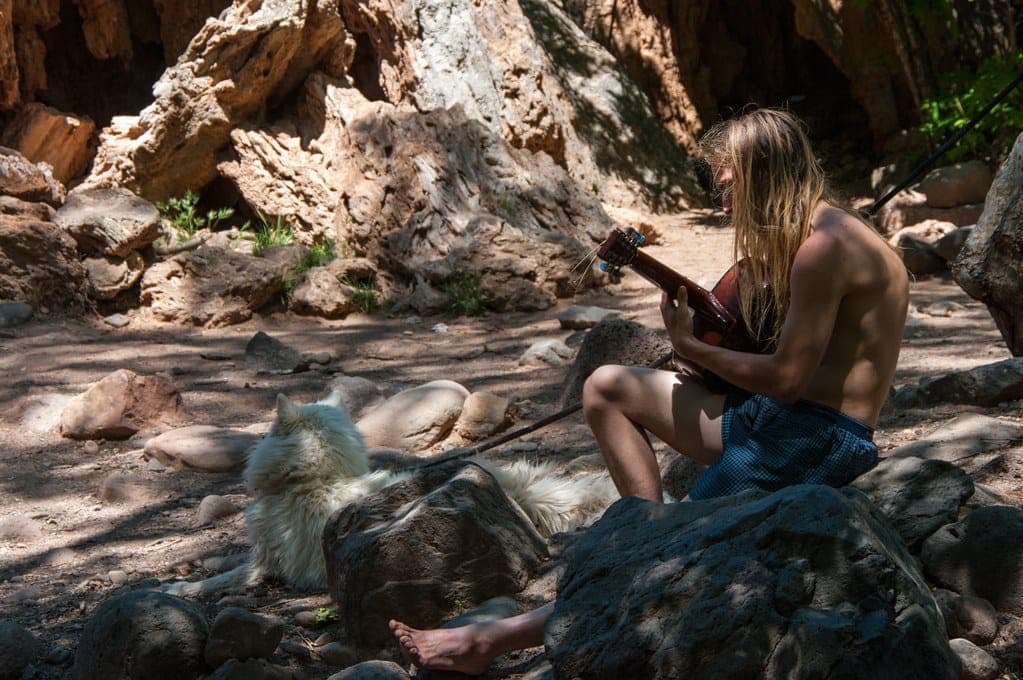
Guide
Heat limits, building distance, paw care, water, wildlife and trail etiquette for hiking with a dog.
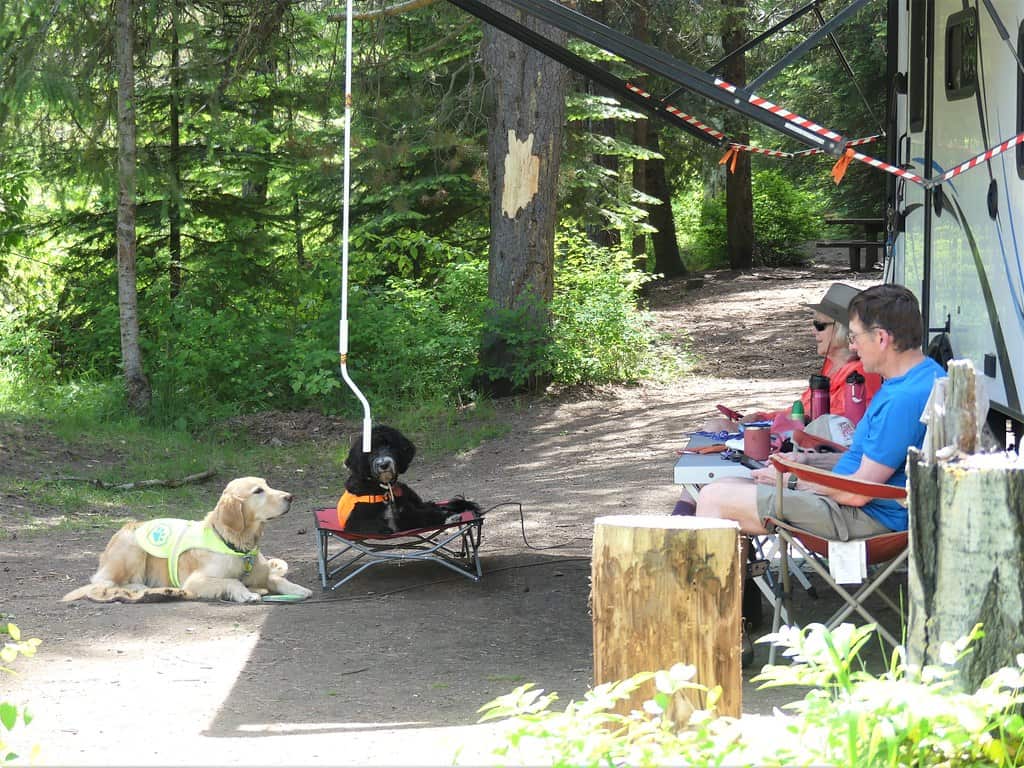
Checklist
A complete packing list for a dog at a campsite -- sleep, water, containment, safety and paperwork.
01 — Sizing method
Three measurements cover nearly every product in this hub. Take them with a soft tape, with the dog standing.
02 — Safety limits
This is the part of dog gear content that usually gets skipped, and it is the part that matters most.
Load. Published guidance from canine-sport and veterinary sources is consistently conservative about how much a dog should carry, and it scales with conditioning rather than with the size of the pack you bought. Start empty, add weight gradually across several hikes, and keep the load balanced side to side. Puppies and adolescent dogs whose growth plates have not closed should carry nothing.
Heat. Dogs shed heat far less efficiently than people do, and they do it mostly by panting. A pack reduces that further by covering surface area. Flat-faced breeds are at substantially higher risk and should not be loaded or worked hard in warm weather at all. Trail surface temperature matters too -- rock and sand get hot enough to injure pads long before the air feels dangerous.
Water. A dog on a trail needs its own water and its own way to drink it. Carrying it in the dog's pack is efficient, but check that you can reach it quickly without unloading the dog.
None of the above is veterinary advice. If your dog has any respiratory, joint or heart condition, or is very young or very old, the right source for load and distance limits is your own vet, not a gear site.
03 — Durability
The failure modes are specific and predictable, and they are almost all floor-related.
Tent floors. The thin, high-denier-but-light floors on backpacking tents are the ones claws go through. A heavier car-camping tent floor, or a footprint plus a mat the dog actually prefers to lie on, solves it. Mesh is the other casualty, usually from a dog pushing at a zipped door.
Inflatable pads. A dog on an air pad is a puncture waiting to happen. Give the dog its own foam mat; it is cheaper than the pad and dogs generally prefer it.
Long lines and stakes. A tie-out that holds a determined dog is a different product from one that holds a relaxed one, and pulling a stake out of soft ground is trivially easy. This is covered in dog camping gear.
Same gear, other trips