Skip to content
Trail & Terminal

02 — Trail / Checklist

Ultralight backpacking gear list

Going light is mostly arithmetic, and most of the weight is in four places. Here is the list, in the order worth attacking it.

By Brijon M.Last updated How we pick
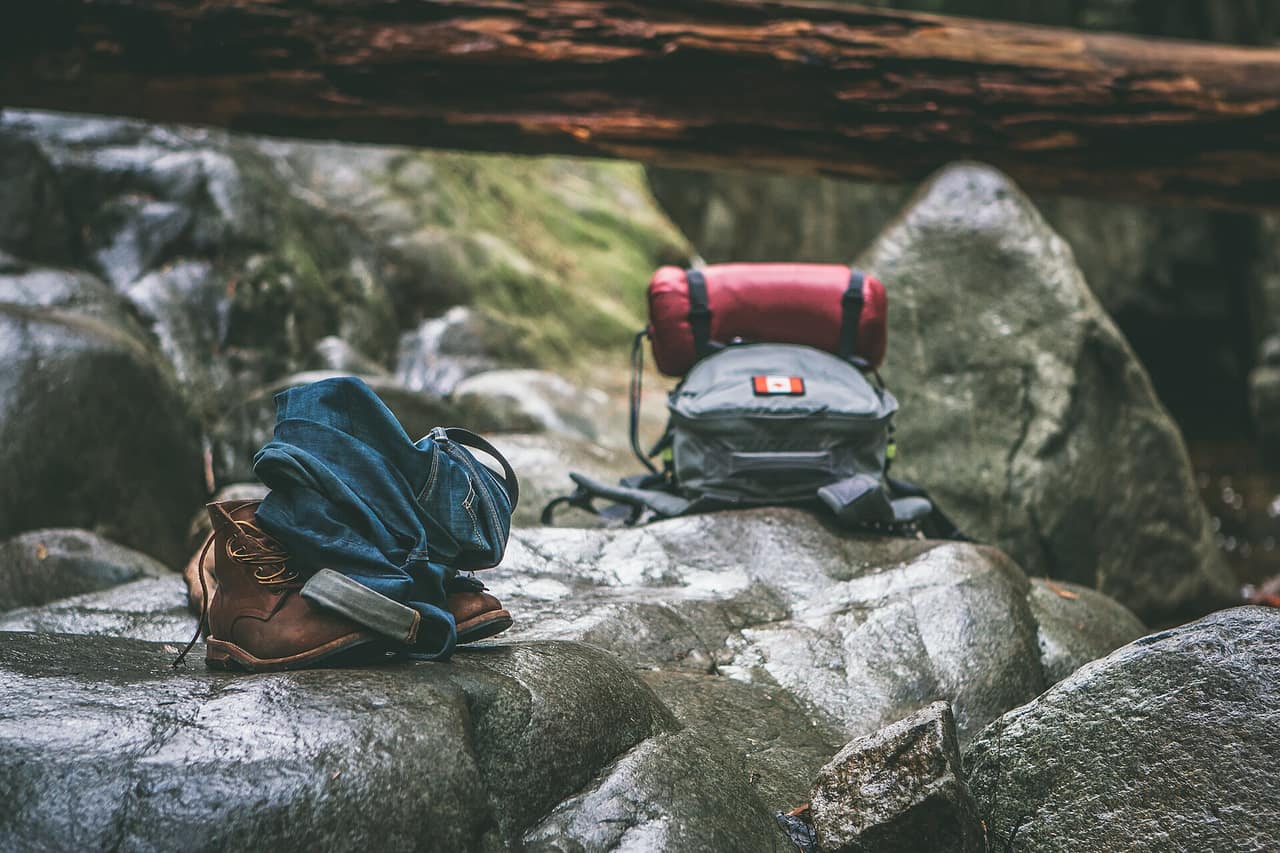
Lightweight backpacking gear laid out on a groundsheet

The short answer

Most of your pack weight is in four things: shelter, sleeping bag, sleeping pad and pack, plus water and food. Attack them in that order. Cutting water carried by using a filter saves more than any gear purchase, and it is the cheapest change available.

01 — The arithmetic

Where the weight actually is

Ultralight culture can feel like a competition about gram counting, and the underlying logic is simple and worth separating from the culture. Your pack weight falls into three buckets.

Base weight is everything you carry that is not consumed: shelter, sleep system, pack, clothing, cooking gear, electronics. Consumables are food, water and fuel, which get lighter as you go. Worn weight is what is on your body, which does not count toward pack weight but is still carried.

The reason the distinction matters is that base weight is concentrated in four items -- shelter, bag, pad and pack, commonly called the big three or four -- and those four typically account for the majority of it. Optimizing a toothbrush is a joke about this hobby for a reason: there is no meaningful weight in the small things, and all the weight is in the big ones.

Water is the exception to everything above. At roughly two pounds per liter it dwarfs individual gear items, which means the single most effective weight-reduction decision is usually about where you can refill rather than what you own.

CategoryWhere the weight sitsCheapest way to cut it
WaterTwo pounds per liter -- often the heaviest single itemA filter, so you carry one liter not three
ShelterTent, footprint, stakesShare a tent; drop the footprint for a cut tarp
Sleep systemBag plus padA quilt instead of a bag; one pad, not two
PackThe pack itselfA smaller pack, once the rest is smaller
FoodRoughly one and a half to two pounds per dayPlan calories per ounce, not meals
Everything elseVery little, collectivelyMostly leaving things behind

02 — Start here

The free savings, before you buy anything

Every one of these costs nothing, and together they typically remove more weight than one expensive gear upgrade.

  1. 01Carry less water. The single biggest lever. Research water sources on your route, carry what you need to reach the next one, and use a filter. See water filters.
  2. 02Weigh everything. A cheap kitchen scale and a spreadsheet. You cannot cut what you have not measured, and people are consistently wrong about which items are heavy.
  3. 03Leave the duplicates. Two knives, three light sources, a spare set of clothes you will not wear. The second of anything is usually the easiest kilogram to find.
  4. 04Repackage food. Out of boxes and cans into bags. Packaging is a surprising fraction of food weight and all of it is carried.
  5. 05Drop the clothing you packed 'just in case'. One warm layer and one shell. A second fleece is comfort you will carry and not wear.
  6. 06Share group gear properly. One tent, one stove, one pot, one filter between two people -- not one each.

03 — Gear list

The list

The big four

Where most of the base weight is, and therefore where the money is best spent if you are spending it.

  • Shelter -- a lightweight two-person tent shared between two, or a tarp setup if you are experienced
  • Sleeping bag or quilt -- down, rated for the actual forecast low, not colder
  • Sleeping pad -- insulated, with the R-value the conditions need and no more
  • Pack -- bought last, sized to the volume everything else now needs

Water and cooking

Clothing worn and carried

  • Worn: synthetic or merino top, pants or shorts, merino socks, trail shoes
  • Carried: one insulating layer, one waterproof shell, one spare pair of socks
  • Carried: a warm hat and gloves if the forecast low justifies them
  • Not carried: a second insulating layer, cotton anything, a change of pants

Safety, light and electronics

  • Headlamp -- light, regulated, with a red mode
  • A minimal first aid kit, plus blister tape in quantity
  • A power bank sized to the actual trip -- usually smaller than you think
  • Phone with offline maps downloaded, plus a paper map
  • A satellite messenger, if you go where there is no coverage
  • Repair: a few feet of tape, a short length of cord, the pad patch kit

04 — Honest limits

Where ultralight thinking goes wrong

Weight reduction has a point past which it costs you more than it gives. These are the places where going lighter is a bad decision rather than a disciplined one.

  • Cutting pad R-value to save ounces. A cold night ruins the next day, and no amount of saved weight compensates. The pad is the one place not to cut below the conditions.
  • Leaving the rain shell because the forecast is good. Forecasts are wrong, and being wet and cold is the most common way a trip becomes dangerous rather than uncomfortable.
  • Cutting the first aid kit to almost nothing. Blister tape and basic wound care weigh very little and are what you actually use.
  • Skipping a light. People do this to save grams and then finish in the dark. A headlamp is the wrong place to economize.
  • Carrying too little water in dry country. The water-saving argument depends on sources actually being there. In desert terrain, verify rather than assume.
  • Buying expensive lightweight gear before doing the free things. Weighing everything and leaving the duplicates is free and usually finds more than a new tent does.

What to buy

The gear we would buy for this

Trail & Terminal earns a commission when you buy through our Amazon links, at no extra cost to you. It does not change which products we pick -- see our affiliate disclosure and selection method.

1

Best for the biggest weight saving available

Sawyer Squeeze

Carry one liter instead of three. No gear purchase comes close to this on weight saved per dollar.

Water is roughly two pounds per liter, which makes it the heaviest thing most backpackers carry. A filter that lets you carry one liter rather than three saves more weight than any shelter, bag or pack upgrade, for far less money. Full options in <a href="/trail/best-water-filters-for-backpacking">water filters</a>.

Specs

  • 0.1 micron absolute hollow fiber membrane per Sawyer
  • Removes bacteria and protozoa; not viruses
  • Backflushable indefinitely with the included syringe
  • Threads onto standard bottles; works inline or as gravity

Good for

  • Saves several pounds of carried water on a route with sources
  • Very light and cleanable forever, so there is no cartridge cost
  • Works several ways depending on how you want to filter

Bad at

  • Must never freeze -- ice cracks the fibers invisibly and the filter becomes unsafe
  • The included pouches are the weak point; use a sturdier bottle
  • Does not remove viruses
2

Best for the sleep system

Enlightened Equipment Revelation Quilt

No back insulation, because insulation under you is compressed flat and wasted anyway.

The reasoning is sound and worth understanding: a bag's underside insulation is squashed flat by your body and contributes very little, so removing it saves weight without losing much warmth -- provided the pad is doing its job. See <a href="/trail/best-sleeping-bags">sleeping bags</a> for the conventional alternative.

Specs

  • High fill-power down, no insulation on the underside
  • Straps to the sleeping pad
  • Footbox closes or opens flat
  • Multiple temperature ratings

Good for

  • Lightest and smallest-packing warmth per degree available
  • No zipper to fail and nothing wasted insulating the pad
  • Opens flat as a blanket in warm weather

Bad at

  • Drafts are the main complaint -- the straps need setting up properly
  • Requires an adequately insulated pad, since nothing insulates your back
  • Takes a few nights to learn
3

Best for warmth you should not cut

Therm-a-Rest NeoAir XLite NXT

The place not to economize. Warmth for packed size is excellent, and a cold night costs you the next day.

The one item on an ultralight list where cutting weight is usually the wrong call. Warmth from the ground is what determines whether you sleep, and a quilt in particular depends entirely on the pad. See <a href="/camp/best-sleeping-pads">sleeping pads</a> for the R-value bands.

Specs

  • Manufacturer-stated R-value in the four-season range
  • Reflective internal layers rather than foam
  • Packs to roughly water-bottle size
  • Inflation sack included

Good for

  • Best warmth-to-packed-size ratio in the category
  • Thick enough for side sleepers at a small packed size
  • Pump sack keeps breath moisture out of the pad

Bad at

  • Air pad -- punctures are the failure mode, so carry the patch kit
  • Audibly crinkly
  • Expensive

Questions

Frequently asked

What is a good base weight for backpacking?
Rather than chase a number, measure yours and look at where it sits. Most of it will be in shelter, bag, pad and pack, and those four are where meaningful reduction happens. Targets quoted online vary wildly and often exclude things people actually carry.
What is the biggest weight saving in backpacking?
Carrying less water, by using a filter and knowing where the sources are. Water is roughly two pounds per liter, so going from three liters to one saves several pounds -- more than any shelter, bag or pack upgrade, and for far less money.
Is ultralight gear less durable?
Generally yes, and that is the honest trade. Lighter fabrics abrade and puncture more easily, and thin-floored tents need a footprint and careful site selection. The gear is not fragile, but it does ask for more care than heavier equipment.
Should I buy a lighter pack first?
Last, not first. A light frameless pack cannot comfortably carry a heavy load, so buying it before reducing everything else makes your trip worse. Cut the big three and your water first, then buy a pack sized to what you now carry.
What should I never cut to save weight?
Sleeping pad insulation, your rain shell, a light, and basic first aid including blister tape. All four are cheap in weight terms and all four prevent problems that no amount of saved grams compensates for. A cold or wet night costs you the whole next day.

Back up a level

This page sits in Trail -- what you carry on your back: packs, poles, water, warmth.

Read next