Skip to content
Trail & Terminal

02 — Trail / Roundup

Best hiking daypacks

A daypack is judged on one thing: whether it puts weight on your hips instead of your shoulders. Everything else is features.

By Brijon M.Last updated How we pick
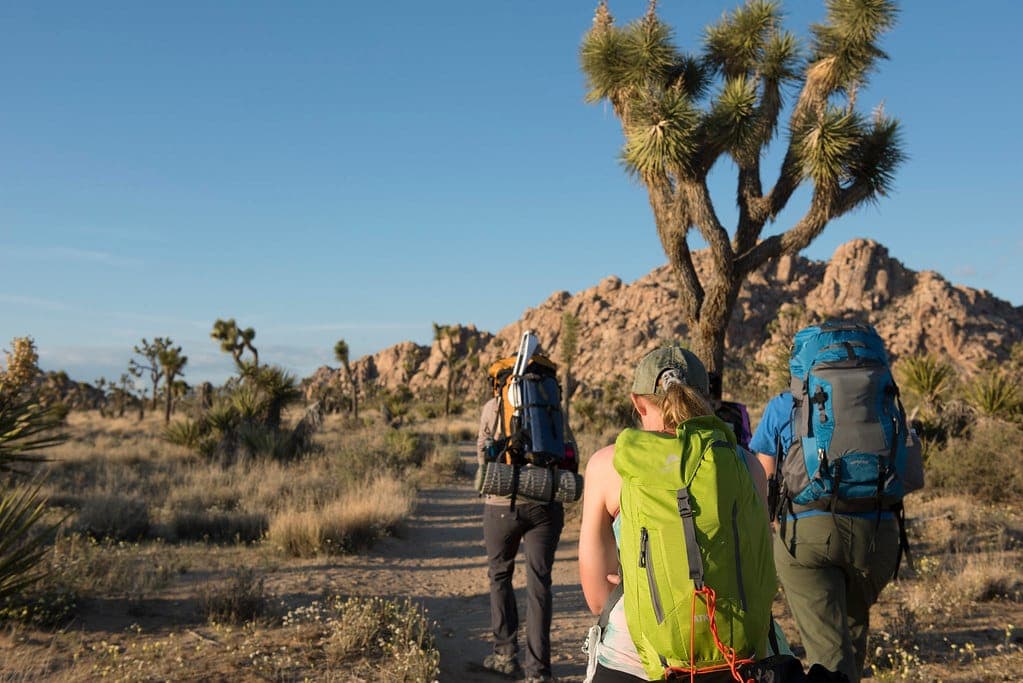
A loaded hiking daypack resting on a rock beside a trail

The short answer

The Osprey Talon 22 is the best hiking daypack for most people because it has a genuine load-transferring hipbelt at a size most hikers actually need. Buy the Osprey Daylite Plus if your loads are light, and the Gregory Zulu 30 if you carry more than about 20 pounds.

Trail & Terminal earns a commission when you buy through our Amazon links, at no extra cost to you. It does not change which products we pick -- see our affiliate disclosure and selection method.

Our picks at a glance

Best hiking daypacks -- ranked picks
#ProductBest forKey specPrice
1Osprey Talon 22A real hipbelt and a ventilated back panel at daypack size. The default recommendation.most day hikes22L, load-transferring belt
2Osprey Daylite PlusSimple, cheap and well made. No real hipbelt, which is fine until the load grows.light loads and travel crossover20L, simple panel load
3Gregory Zulu 30A suspended mesh back panel and a proper belt. The pack for loads past 20 pounds.heavier day loads30L, suspended back panel
4Deuter Speed Lite 23Light, close-fitting and stable. Built for moving quickly rather than carrying much.fast and light days23L, low weight
5Cotopaxi Inca 26LA hiking pack that does not look like one. Good crossover, modest suspension.a pack that also works in town26L, travel crossover
6REI Co-op Flash 22Light, cheap and strips down further. Minimal suspension, and honest about it.the cheapest pack worth owning22L, removable frame sheet

Ranked by the criteria in how we pick. We hold no live prices, so every button goes straight to the current Amazon listing.

Every pick, in full

The picks

1

Best for most day hikes

Osprey Talon 22

A real hipbelt and a ventilated back panel at daypack size. The default recommendation.

The difference between a daypack and a bag with straps is whether a hipbelt is load-bearing or decorative, and this is the smallest Osprey pack where the belt is genuinely the former. A continuous-wrap belt moves a meaningful share of the weight onto your hips, and once a day load passes about 15 pounds that is the difference between a comfortable hike and a sore one. Twenty-two liters is also the right volume for most day hikes: layers, lunch, water, a first aid kit and a shell. The sizing matters -- buy the wrong torso length and you lose the benefit you paid for.

Specs

  • Roughly 22 liter capacity
  • Continuous-wrap hipbelt rather than a webbing strap
  • AirScape ridged and ventilated back panel
  • Trekking pole attachment and stretch front pocket
  • Osprey's All Mighty Guarantee

Good for

  • The hipbelt genuinely transfers load off your shoulders, which most daypacks do not
  • Ventilated back panel makes a real difference to a sweaty back
  • Osprey's repair guarantee is the best in the industry and is not marketing

Bad at

  • Sized small, medium and large -- the wrong size undoes the whole benefit
  • No dedicated laptop sleeve, so it is a poor travel crossover
  • Mesh on the stretch pocket snags and is the common wear point
2

Best for light loads and travel crossover

Osprey Daylite Plus

Simple, cheap and well made. No real hipbelt, which is fine until the load grows.

The honest truth about most day hiking is that the load is light -- a shell, a liter of water and a sandwich -- and a simple pack is sufficient. This is the best-made version of a simple pack, it costs little, and it has a padded sleeve that makes it a legitimate flight personal item, which is the crossover this site cares about. What it will not do is carry weight: the hipbelt is webbing, so above about 15 pounds everything is on your shoulders. See <a href="/carry-on/best-travel-backpacks">travel backpacks</a> if the flight use is the priority.

Specs

  • Roughly 20 liter capacity
  • Webbing hipbelt, not a load-transferring belt
  • Padded sleeve suitable for a tablet or small laptop
  • Attaches to larger Osprey packs as an add-on

Good for

  • Cheap for the build quality, and covered by the same guarantee
  • Doubles as a personal-item bag for flights, which few hiking packs do
  • Simple panel-loading design with nothing to learn

Bad at

  • The webbing hipbelt does not transfer load -- everything sits on your shoulders
  • Unstructured back panel means a badly packed load digs in
  • Not enough pack for a long or loaded day
3

Best for heavier day loads

Gregory Zulu 30

A suspended mesh back panel and a proper belt. The pack for loads past 20 pounds.

Once a day load gets heavy -- winter layers, a group first aid kit, four liters of water, camera gear, a child's equipment -- a 20-liter pack stops coping and the suspension becomes the limiting factor. This is where a suspended mesh panel and a real belt earn their weight. The ventilation is the best on this page by a clear margin, because the pack body does not touch your back at all. The trade is that the load sits slightly further from your spine, which is marginally less stable on steep scrambling, and that it is more pack than a short summer hike needs.

Specs

  • Roughly 30 liter capacity
  • Suspended ventilated mesh back panel
  • Load-transferring hipbelt with pockets
  • Multiple sizes plus an adjustable torso
  • Rain cover included on current versions

Good for

  • The suspended panel keeps the pack off your back entirely -- the best ventilation here
  • Carries 20 to 30 pounds genuinely well, which smaller packs do not
  • Hipbelt pockets are more useful than they sound for a phone and snacks

Bad at

  • Overkill, and heavier than needed, for a short light day hike
  • The suspended panel pushes the load slightly away from your back, which costs stability on scrambles
  • Bulkier packed than a simple panel pack
4

Best for fast and light days

Deuter Speed Lite 23

Light, close-fitting and stable. Built for moving quickly rather than carrying much.

The fast-and-light approach, and a genuinely different design philosophy from the ventilated packs. Keeping the pack body against your back makes the load more stable, which matters when you are moving quickly over uneven ground or using your hands, and removing padding and structure makes the pack itself nearly weightless. The costs follow directly: a sweatier back, a hipbelt that is a stabilizer rather than a load-bearer, and thinner fabrics. For long fast days with a light load it is the best pack here; for a heavy load it is the wrong one.

Specs

  • Roughly 23 liter capacity
  • Low pack weight for the volume
  • Close-fitting back panel for stability
  • Compression straps and pole attachment

Good for

  • Very light, so the pack itself is not part of the load you are carrying
  • Sits close to your back, which is the most stable arrangement for scrambling
  • Compresses down well when partly empty

Bad at

  • Close fit means less ventilation -- a noticeably sweatier back
  • Minimal hipbelt padding, so it is not a heavy-load pack
  • Thin fabrics in exchange for the weight saving
5

Best for a pack that also works in town

Cotopaxi Inca 26L

A hiking pack that does not look like one. Good crossover, modest suspension.

The pack to buy if you want one bag for day hikes, flights and commuting rather than three. It carries a laptop, it looks unremarkable in a city, and the fabric handles drizzle. The compromises are in the suspension, which is the one thing dedicated hiking packs are better at: a webbing belt does not transfer load, and the padded back panel traps heat. For light-load day hikes plus regular travel use, that is a reasonable trade. See <a href="/carry-on/best-travel-backpacks">travel backpacks</a> for the pure travel options.

Specs

  • Roughly 26 liter capacity
  • Padded laptop sleeve
  • Water-resistant recycled fabrics
  • Side water bottle pockets and a webbing hipbelt

Good for

  • Looks fine in a city, on a plane and on a trail, which few hiking packs manage
  • Laptop sleeve makes it a genuine work and travel bag
  • Water-resistant fabric handles light rain without a cover

Bad at

  • Webbing hipbelt only -- no meaningful load transfer
  • Back panel ventilation is poor compared with dedicated hiking packs
  • Heavier than a hiking pack of the same volume because of the travel features
6

Best for the cheapest pack worth owning

REI Co-op Flash 22

Light, cheap and strips down further. Minimal suspension, and honest about it.

The entry point, and a legitimately good pack within its limits. The removable frame sheet is the smart detail: in the pack it provides a little structure, out of the pack it is an insulating sit pad on cold ground, and removing it turns the bag into a very light summit pack to carry inside a bigger one. What you give up is comfort under load. The straps are thin and the belt is webbing, so this is a pack for light days. At the price, that is exactly the right trade.

Specs

  • Roughly 22 liter capacity
  • Removable padded frame sheet that doubles as a sit pad
  • Webbing hipbelt that can be removed
  • Stretch front pocket and side pockets

Good for

  • Cheap enough to be a second pack without thinking about it
  • The removable frame sheet doubling as a sit pad is a genuinely good idea
  • Strips to a very light, very simple summit pack

Bad at

  • Thin shoulder straps become uncomfortable with any real weight
  • No load transfer at all once the belt is removed
  • Fabric is light, and abrasion is the reported wear point

01 — Buying guide

Suspension is the only spec that matters

Daypack listings compete on pockets, hydration compatibility and attachment points. None of those determine whether the pack is comfortable. The suspension does.

A hipbelt is either load-bearing or decorative

Most daypacks have something around your waist, and on most of them it is a strip of webbing with a buckle. That is a stabilizer: it stops the pack swinging, and it carries no weight. A load-transferring hipbelt is a padded, contoured structure that wraps your iliac crest and is connected to a frame sheet or stay, so weight travels down through it to your hips.

The practical consequence: below roughly 15 pounds the difference is minor, and above it the difference is the whole experience. A well-transferred 25 pounds feels lighter than 15 pounds hanging entirely from your shoulders. If your day loads are heavy, a real belt is the single thing worth paying for.

Torso length, not your height

Packs are sized by torso length -- the distance from the bony bump at the base of your neck to the top of your hip bones -- and that correlates only loosely with height. A tall person with a short torso and a short person with a long torso are common.

Measure it, or have it measured, before buying a pack that comes in sizes. A pack whose belt sits above or below your hip bones cannot transfer load no matter how good the belt is, which is how people end up concluding that an excellent pack is uncomfortable.

Ventilated, suspended, or close-fitting

Three back panel approaches, and it is a genuine trade rather than a quality ladder. A suspended mesh panel holds the pack off your back entirely and ventilates best, at the cost of pushing the load slightly away from your spine. A ridged ventilated panel is the middle. A close-fitting panel is the most stable and the sweatiest.

Pick for your terrain: suspended for hot weather on trails, close-fitting for scrambling and fast movement where stability matters most.

02 — Volume

What size daypack do you need?

Most people buy too big. A larger pack invites you to fill it, and a 30-liter pack carrying 15 liters of gear sags and shifts. Buy for your typical day, not your worst one -- and for the worst one, compression straps on a smaller pack do more than extra empty volume.

VolumeCarriesRight for
10 to 15LWater, a snack, a shellShort summer walks, running
18 to 24LLayers, lunch, water, first aid, shellMost day hikes -- the sweet spot
25 to 30LAll of the above plus winter layers or group gearLong days, cold weather, carrying for others
30L and upOvernight-capableFast overnights, not day hiking

03 — Water

Hydration: bladder or bottles?

Nearly every daypack is bladder-compatible, and the honest recommendation is to use bottles anyway.

Bladders are genuinely convenient -- drinking without stopping meaningfully increases how much water people actually drink. But the dominant long-run owner report across the whole category is the same: people stop cleaning them, because cleaning a bladder and hose properly is a chore, and a neglected bladder grows things. A bottle whose inside you can see stays usable for years.

The practical compromise most experienced hikers land on: side-pocket bottles for day hikes, where stopping to drink costs nothing, and a bladder only when stopping is genuinely disruptive. See water bottles for hiking.

04 — Criteria

How we ranked these packs

Load transfer first, then back panel behavior for the terrain, then whether the volume matches real day-hike needs, then crossover usefulness on other trip types. Full method on how we pick.

We have not hiked with these packs. The suspension analysis comes from published construction details -- whether a belt is connected to a frame sheet, how the back panel is built -- which is a structural question rather than a subjective one, plus consistent patterns in owner reports about fit, ventilation and wear points.

Questions

Frequently asked

What size daypack do I need for hiking?
Eighteen to 24 liters covers most day hikes: layers, lunch, water, a first aid kit and a shell. Go to 25 or 30 only if you carry winter layers, group gear or for someone else. Buying too big is the common mistake, because a half-full pack sags and shifts.
Do I need a hipbelt on a daypack?
Above roughly 15 pounds, yes, and it needs to be a real load-transferring belt rather than a strip of webbing. A well-transferred 25 pounds feels lighter than 15 pounds hanging from your shoulders. Below 15 pounds a webbing belt that just stops the pack swinging is fine.
How do I know what size pack fits me?
Measure your torso length -- from the bony bump at the base of your neck to the level of the top of your hip bones -- not your height. The two correlate only loosely. A belt sitting above or below your hip bones cannot transfer load however good the pack is.
Should I use a hydration bladder or water bottles?
Bottles, for most people. Bladders genuinely help you drink more, but the most consistent long-run complaint in the whole category is that owners stop cleaning them. A bottle you can see inside stays usable for years. Use a bladder only when stopping to drink is genuinely disruptive.
Is an expensive daypack worth it?
The money buys suspension, and suspension only matters under load. For light summer day hikes a cheap simple pack is genuinely fine. For heavy loads, cold-weather layers or long days, the belt and frame are the difference between enjoying the hike and enduring it.

Back up a level

This page sits in Trail -- what you carry on your back: packs, poles, water, warmth.

Read next