Skip to content
Trail & Terminal

04 — Carry-On / Guide

Long flight essentials

On a short flight nothing much matters. Past about eight hours, sleep, circulation and hydration become the whole problem.

By Brijon M.Last updated How we pick
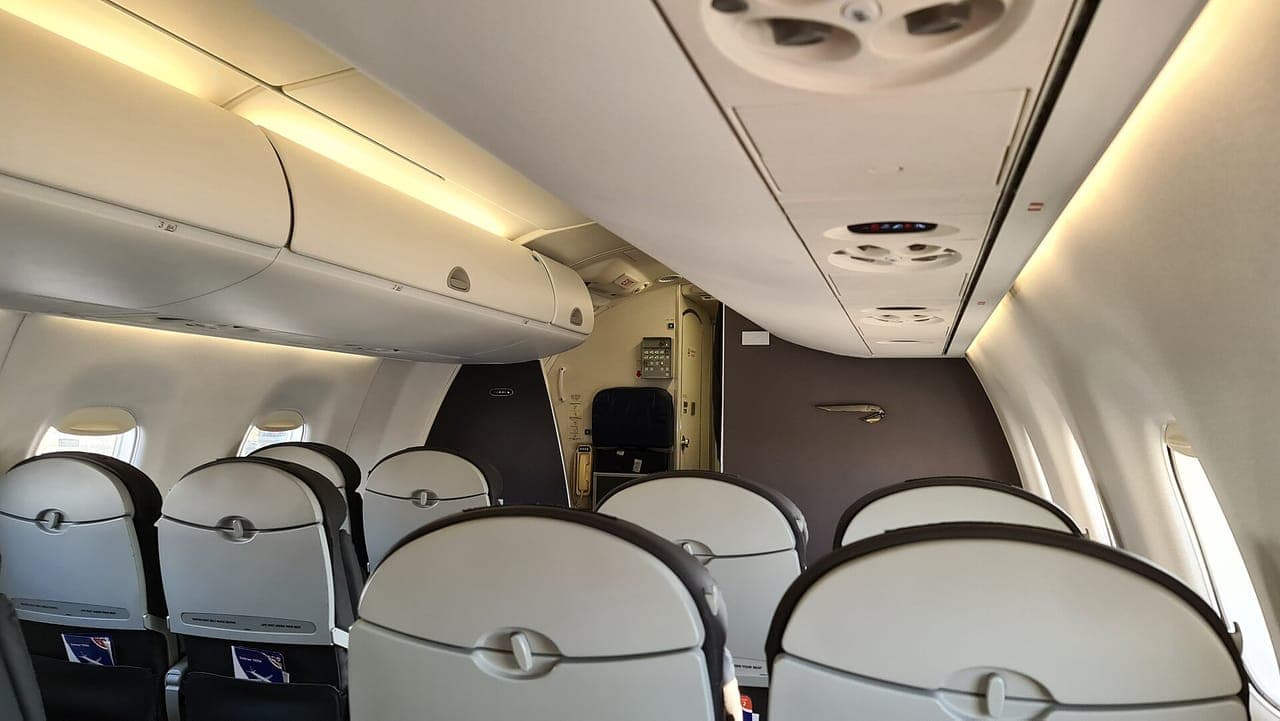
A darkened aircraft cabin on a long-haul flight

The short answer

Four things matter on a long flight: blocking light and noise so you can sleep, moving and compression for circulation, drinking water steadily, and shifting to destination time from the moment you board. Everything else is comfort around the edges.

01 — Priorities

The four things that actually matter

Long-flight packing lists tend to be long. In practice there are four problems worth solving, and most products address only the first.

  1. 01Sleep. Blocking light and noise does more than any pillow, and both solutions are cheap.
  2. 02Circulation. Moving, flexing your ankles and graduated compression. Prolonged immobility is the genuine health consideration on a long flight.
  3. 03Hydration. Cabin humidity is far lower than at ground level, and much of what people describe as flight fatigue is partly dehydration.
  4. 04The time shift. Setting your watch and your eating and sleeping to the destination from the moment you board does more for arrival than anything in your bag.

02 — Sleep

Sleeping on a long flight

The cheap interventions outperform the expensive ones here, which is worth knowing before buying anything.

  • An eye mask, contoured so it does not press on your eyes. Light is the biggest single barrier to sleeping on a plane, and cabin lights come up for service at inconvenient times.
  • Earplugs or noise-canceling headphones. Sustained cabin noise is tiring even when you do not notice it. Foam earplugs cost almost nothing and work well.
  • A pillow that supports where your head actually falls -- sideways or forward, not backwards. See travel pillows.
  • A window seat if you want to sleep, because you get a wall to lean against and nobody climbing over you. An aisle seat if you want to move, which matters for circulation.
  • Something under your feet -- a bag raises your knees and changes your hip angle, which makes an upright seat far more sleepable.
  • Avoid alcohol. It reduces sleep quality and compounds dehydration. This is the most commonly ignored piece of flight advice and the most reliable.

03 — Circulation

Circulation: the part that is actually about health

Sitting still for many hours reduces the calf-muscle pumping that normally helps return blood from the legs, which is why legs and feet swell on long flights and why prolonged immobility is associated with an increased risk of blood clots. Public health bodies including the CDC publish guidance on this for travelers.

What is commonly recommended: move around the cabin when it is safe to do so, flex your ankles and calves regularly while seated, stay hydrated, avoid sitting with your legs crossed for long periods, and consider graduated compression socks.

This is general information rather than medical advice. If you have a history of clots, a circulatory condition, are pregnant, have recently had surgery, or have any doubt at all, your doctor is the right source -- including on which compression grade is appropriate, which is not a question a gear site should answer.

  • Compression socks in the 15-20 mmHg range are the usual travel suggestion. Measure your calf -- fit is why they fail. See compression socks for flying.
  • Put them on before you fly, before any swelling develops, which is both easier and more effective.
  • An aisle seat makes moving easy. On a very long flight that is worth more than a window seat to many people.
  • Set a reminder to move. It is easy to sit for six hours absorbed in a film without noticing.

04 — Hydration

Hydration and food

Cabin air at altitude is very dry, and over ten hours that adds up to meaningful fluid loss through breathing alone, before accounting for anything you drink.

  • Fill a bottle after security and keep it with you. Cabin service is intermittent and the cups are small. This is the single most effective item on the list.
  • Electrolyte tablets are a reasonable addition on very long flights, since you are losing more than water.
  • Eat lighter than you would on the ground. Large meals at altitude sit heavily, and the schedule is set by the airline rather than by hunger.
  • Bring your own snacks. Nuts, jerky and dried fruit keep, do not melt and let you eat on your own schedule rather than the cart's.
  • Limit alcohol and go easy on coffee. Both compound dehydration, and alcohol specifically degrades the sleep you are trying to get.

05 — Arrival

Arriving functional

The flight is the means; arriving able to function is the goal, and most of what helps happens in the air rather than afterwards.

  1. 01Set your watch to destination time when you board, and make eating and sleeping decisions on that clock from then on. This is free and it is the most effective single thing on this page.
  2. 02Sleep when it is night at the destination, not when you feel like it. On a westbound daytime arrival, that often means staying awake.
  3. 03Get daylight on arrival. Light exposure is the strongest signal for resetting your body clock, so walk outside rather than going straight to a dark room.
  4. 04Pack a toothbrush and a clean base layer in your personal item. Freshening up before landing makes a disproportionate difference to how you feel.
  5. 05Do not plan anything demanding for the first few hours. Build the arrival day around settling in.

06 — What to skip

What is mostly marketing

  • Jet lag supplements and patches with vague mechanisms. Light exposure and schedule shifting are what the evidence supports, and both are free.
  • Inflatable footrests and leg hammocks. Frequently restricted by cabin crew, and a bag under your feet achieves most of the effect.
  • Full-size blankets and travel sets. Bulky, and a warm layer you were going to pack anyway does the job.
  • Scented travel kits. Pleasant, and not solving any of the four problems.
  • Anything requiring mains power at the seat. Sockets are unreliable and often underpowered; USB is the practical option.

What to buy

The gear we would buy for this

Trail & Terminal earns a commission when you buy through our Amazon links, at no extra cost to you. It does not change which products we pick -- see our affiliate disclosure and selection method.

1

Best for comfort across twelve hours

Sockwell Elevation Firm Compression

Merino blend with graduated compression -- comfortable enough to wear for an entire travel day.

On a twelve-hour flight plus transfers you are wearing these for most of a day, which makes fabric comfort as important as the compression figure. Measure your calf, and ask a clinician about grade if you have any risk factors. See <a href="/carry-on/best-compression-socks-for-flying">compression socks for flying</a>.

Specs

  • Merino wool and bamboo rayon blend
  • Graduated compression in the firm range
  • Arch support and cushioned sole
  • Sized on shoe size and calf

Good for

  • Merino manages moisture over a very long wear
  • Genuinely graduated -- tightest at the ankle
  • Cushioned enough to walk a terminal in

Bad at

  • Firm compression is more than some people need
  • Warmer than synthetic
  • Expensive
2

Best for a conventional pillow that works

Cabeau Evolution S3

A U-shape with a flat back, which removes the reason most neck pillows fail.

Conventional U-pillows are thick all the way round, so the back section pushes your head forward off the headrest. A flat back panel is the fix, and the raised sides then do the work your head actually needs. See <a href="/carry-on/best-travel-pillows">travel pillows</a>.

Specs

  • Memory foam core
  • Flat back panel
  • Raised side supports
  • Compresses into a carry case

Good for

  • The flat back stops the pillow pushing your head forward
  • Raised sides give real lateral support
  • Compresses into a case rather than being a loose ring

Bad at

  • Still bulkier than a flat-packing design
  • Memory foam gets warm against the neck
  • Less lateral support than a braced design
3

Best for water you actually have with you

Platypus SoftBottle 1L

Rolls flat empty, so carrying a liter of capacity through security costs no space at all.

Hydration is the highest-return item on a long flight and cabin service is intermittent. A collapsible bottle means carrying the capacity costs nothing until you need it. See <a href="/trail/best-water-bottles-for-hiking">water bottles</a>.

Specs

  • Flexible laminate body that rolls flat
  • Standard closure cap
  • Very low empty weight
  • Taste-free laminate

Good for

  • Rolls to nothing, so it costs no carry-on space until you fill it
  • Lightest way to carry a liter
  • Fills easily at an airport bottle filler

Bad at

  • Will not stand up when partly full
  • Punctures and seam failures end its life
  • Awkward to drink from while lying back

Questions

Frequently asked

What should I bring on a long-haul flight?
An eye mask and earplugs, a pillow that supports where your head actually falls, compression socks, a bottle filled after security, your own snacks, a power bank, medication, and a toothbrush and clean base layer for before landing. Sleep, circulation and hydration are the four problems.
How do I sleep on a long flight?
Block light and noise first -- an eye mask and earplugs do more than any pillow. Pick a window seat for a wall to lean on, put a bag under your feet to change your hip angle, and avoid alcohol, which degrades sleep quality while worsening dehydration.
Are compression socks necessary on long flights?
Graduated compression is one of the measures public health bodies list for long flights, alongside moving around the cabin, flexing your ankles and staying hydrated. They are not a substitute for moving. If you have risk factors, ask a doctor rather than a gear site.
How much water should I drink on a long flight?
More than you would on the ground, and steadily rather than in bursts. Cabin air is very dry and you lose fluid through breathing alone. Fill a bottle after security rather than relying on cabin service, and go easy on alcohol and coffee.
What is the best way to beat jet lag?
Shift to destination time the moment you board, sleep when it is night there rather than when you feel like it, and get daylight on arrival -- light exposure is the strongest signal for resetting your body clock. All three are free and better supported than any supplement.

Back up a level

This page sits in Carry-On -- flight kit that fits the bin and the personal-item slot.

Read next