Skip to content
Trail & Terminal

01 — Camp / Roundup

Best camping gear for beginners

Most beginner gear lists are shopping lists. This one tells you what to buy first, what to borrow, and what to deliberately not buy yet.

By Brijon M.Last updated How we pick
A basic camping setup with a tent, chair and stove at a campsite

The short answer

Buy four things first: an insulated sleeping pad, a tent, a headlamp and a cooler. Borrow or improvise the rest for your first two trips. The pad is the purchase that decides whether you enjoy camping, and it is the one beginners skimp on.

Trail & Terminal earns a commission when you buy through our Amazon links, at no extra cost to you. It does not change which products we pick -- see our affiliate disclosure and selection method.

Our picks at a glance

Best camping gear for beginners -- ranked picks
#ProductBest forKey specPrice
1Therm-a-Rest NeoAir XLite NXTBuy the pad before the tent. Cold ground, not cold air, is what ruins a first camping trip.the first thing to buyHigh R-value, packs small
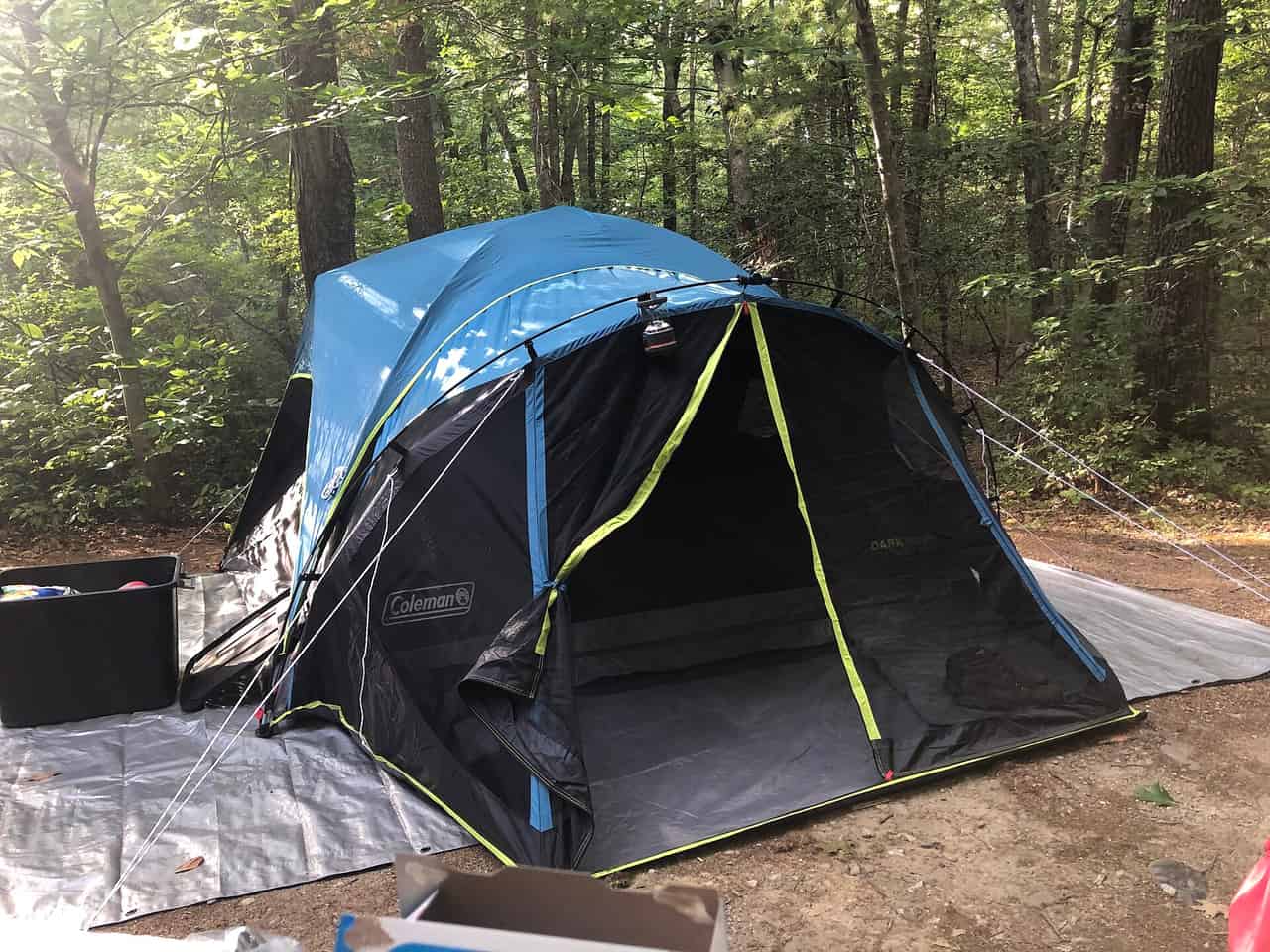
2Coleman Sundome 4-Person TentCheap, simple and forgiving. Buy this rather than an expensive tent you have not learned what you want from yet.a first tentSimple 2-pole dome
3Black Diamond Spot 400The least glamorous item on the list and the one you will use on literally every trip.the cheapest big upgradeAAA, regulated output
4Coleman 70QT Xtreme CoolerBuy the cheap big cooler. The expensive one solves a problem beginners do not have yet.a first coolerLarge capacity, low cost
5Coleman Portable Camping Quad ChairNot strictly necessary, and the first thing worth adding once the essentials are covered.the first optional itemClassic quad fold
6Coleman Classic Propane StoveLast on the list, because the campsite grate and a cooler of sandwiches cover your first trips.when you are ready to cook2 burners, 1lb propane

Ranked by the criteria in how we pick. We hold no live prices, so every button goes straight to the current Amazon listing.

Every pick, in full

The picks

1

Best for the first thing to buy

Therm-a-Rest NeoAir XLite NXT

Buy the pad before the tent. Cold ground, not cold air, is what ruins a first camping trip.

The counterintuitive advice that matters most: the sleeping pad is the first thing to buy, ahead of the tent. Beginners who have a bad first night almost always blame the sleeping bag, when the problem is that the ground pulled heat out of them through an uninsulated pad. A bag's insulation is compressed flat underneath you and does almost nothing. If this is too expensive to start with, buy a cheap closed-cell foam mat rather than a cheap uninsulated air pad -- foam at least insulates.

Specs

  • Manufacturer-stated R-value in the four-season range
  • Reflective internal layers rather than foam fill
  • Packs to roughly water-bottle size
  • Inflation sack included

Good for

  • Insulated properly, which is the difference between sleeping and enduring
  • Thick enough for side sleepers, who suffer most on cheap pads
  • Small packed size means it works on every future trip type

Bad at

  • Expensive as a first purchase, which is why beginners skip it and regret it
  • Audibly crinkly when you move
  • Air pad, so it can puncture -- carry the patch kit
2

Best for a first tent

Coleman Sundome 4-Person Tent

Cheap, simple and forgiving. Buy this rather than an expensive tent you have not learned what you want from yet.

A first tent should be cheap and simple, because you do not yet know what you want. Two poles, one obvious way to pitch it, nothing to learn. After three or four trips you will know whether you want two doors, more headroom or better weather margin, and then you buy the right tent on the basis of experience rather than a review. Size up to a 4-person for two adults: the rating counts sleeping pads laid edge to edge with nothing else inside.

Specs

  • Two fiberglass poles, sleeve pitch
  • Coleman-stated taped floor seams
  • Freestanding
  • 4-person size for two adults plus gear

Good for

  • You cannot get the pitch wrong, which matters most on your first attempt
  • Cheap enough that learning on it is not expensive
  • Replaceable generic poles

Bad at

  • Fiberglass poles splinter in real wind -- not a storm tent
  • No vestibule, so wet boots come inside
  • You will want something better if you camp in weather
3

Best for the cheapest big upgrade

Black Diamond Spot 400

The least glamorous item on the list and the one you will use on literally every trip.

Buy a headlamp before you buy anything else optional. Every camping task after sunset -- pitching, cooking, washing up, finding the bathroom -- needs both hands, and a phone flashlight occupies one of them while burning the battery you need for the drive home. This one costs little, runs on cells you can buy anywhere, and has a red mode that does not destroy everyone's night vision.

Specs

  • Three AAA batteries, replaceable anywhere
  • Regulated output -- holds brightness rather than fading
  • Red mode reachable directly from off
  • Manufacturer-stated IPX8 waterproof rating

Good for

  • Hands free, which a phone flashlight is not
  • Red mode means you can find things in a tent without blinding anyone
  • Regulated output stays usable all evening instead of dimming

Bad at

  • Touch dimming interface is fiddly, especially with gloves
  • Spare AAAs are extra weight
  • Basic strap, no top strap
4

Best for a first cooler

Coleman 70QT Xtreme Cooler

Buy the cheap big cooler. The expensive one solves a problem beginners do not have yet.

Your first camping trips will be one or two nights, and over that span the difference between this and a cooler costing five times more barely shows. Thick-walled rotomolded coolers solve multi-day retention, which is a problem you do not have yet. Buy capacity now, pre-chill it the night before, use block ice, and keep it in the shade -- those three free habits beat a cooler upgrade anyway.

Specs

  • Blow-molded body with insulated lid
  • Large internal capacity for its external size
  • Light enough to carry loaded
  • Available with wheels

Good for

  • Holds far more than a rotomolded cooler of the same external size
  • One person can move it when loaded
  • A small fraction of the price of a premium cooler

Bad at

  • Real retention is a day or two, not many days
  • No gasket, so cold escapes every time it opens
  • Hinge and lid are the long-term weak points
5

Best for the first optional item

Coleman Portable Camping Quad Chair

Not strictly necessary, and the first thing worth adding once the essentials are covered.

Chairs are where the essentials end and the comfort items begin, which is why this is fifth. You can sit on a log, and plenty of people do. But a chair genuinely changes a campsite evening, and this is the cheap version that does the job. Expect it to be a consumable: the fabric at the frame stress points is what fails, usually within a couple of seasons of regular use.

Specs

  • Steel quad-fold frame
  • Four-can cooler pouch in the armrest
  • Mesh cup holder
  • Carry bag included

Good for

  • Cheap enough that replacing it is not a decision
  • Changes an evening at a campsite more than its price suggests
  • Folds to a predictable bundle

Bad at

  • Fabric tears at the frame stress points, often within two seasons
  • Sags once the fabric stretches
  • Low and shallow -- adequate rather than comfortable
6

Best for when you are ready to cook

Coleman Classic Propane Stove

Last on the list, because the campsite grate and a cooler of sandwiches cover your first trips.

A stove is genuinely optional for your first couple of trips. Most established campsites have a fire ring or a grate, and a cooler full of food that needs no cooking is a completely valid first-trip strategy -- it removes an entire category of things to get wrong. When you do want to cook, this is the stove: cheap, two burners, and fuel you can buy anywhere. Bring a lighter, because the base model has no igniter.

Specs

  • Two independently adjustable burners
  • Standard 1lb propane canisters
  • Folding wind baffles
  • Match light on the base model

Good for

  • Fuel available at essentially any store in the country
  • Two burners means coffee and food at once
  • Case design protects itself in a loaded trunk

Bad at

  • Coarse simmer control -- sauces catch on the low setting
  • No igniter on the base model
  • Bulky flat footprint in the trunk

01 — Build order

Buy in this order, and borrow the rest

The single best piece of beginner advice is not about products at all: borrow or rent for your first two trips. You will learn more about what you want from one weekend than from a month of reading, and you will discover whether you actually like camping before spending real money on it. Many outdoor retailers rent tents, pads and bags for a few dollars a night.

If you are buying, this is the order that gets you comfortable for the least money.

  1. 01An insulated sleeping pad. The purchase that decides whether you sleep. See sleeping pads.
  2. 02A sleeping bag rated below the temperatures you expect. Borrow first if you can; ratings are optimistic and a liner is a cheap way to extend one.
  3. 03A simple tent, sized up by two. See camping tents.
  4. 04A headlamp. The cheapest item here and the most used. See headlamps.
  5. 05A cooler, as big as your trunk allows. See coolers.
  6. 06Chairs, then a stove. Both are genuinely optional on trip one.

02 — What to skip

The eight things beginners buy and should not

Every one of these appears on standard beginner lists. Every one of them is commonly bought, rarely used, and sits in a garage.

  • A twelve-piece cookware set. You will use one pot and one pan. Buy those, or use old kitchen ones.
  • A camping-specific coffee maker. Instant coffee or a filter cone over a mug works, costs almost nothing and packs flat.
  • A hydration bladder. Owners consistently report they stop cleaning them. A bottle whose inside you can see stays usable for years.
  • A camp shower. Almost every established campsite has facilities, and setting up a shower is a project.
  • A four-season tent. You are not winter camping yet. It is heavier, hotter in summer and much more expensive.
  • A multi-tool with thirty functions. A knife and a spoon cover camp needs. The bottle opener on a cheap multi-tool is the only other function that gets used.
  • Camping-specific clothing. Your existing layers are fine. Buy a rain jacket if you do not own one; nothing else is camping-specific.
  • A big power station. A pocket power bank charges phones for a weekend. Stations are for continuous loads like a fridge.

03 — Mistakes

The five mistakes that ruin a first camping trip

Sleeping on an uninsulated pad

The number one reason people conclude they hate camping. Cold ground conducts heat out of you all night, and no sleeping bag rating compensates, because the bag's underside is compressed flat by your weight. If you buy one good thing, buy the pad.

Arriving after dark on the first trip

Pitching an unfamiliar tent by headlamp while tired and hungry is how a weekend starts badly. Aim to arrive with two hours of daylight. Pitch the tent in the yard once before you leave -- it takes ten minutes and removes the single biggest source of first-trip stress.

Underestimating how cold it gets

Overnight lows at elevation are routinely far below the daytime high, and desert temperature swings are extreme. Check the forecast low, not the high, and pack a layer for ten degrees below it. Being cold is the one discomfort that does not fade once you are in the bag.

Planning elaborate meals

Cooking at a campsite takes longer than at home, washing up takes much longer, and both happen when you are tired. First trip: sandwiches, something that needs one pot, and pre-chopped vegetables from home. See camping meals.

Not checking the site rules before leaving

Fire restrictions, firewood transport rules, food storage requirements in bear country, reservation requirements and quiet hours all vary by site and change seasonally. Thirty seconds on the managing agency's page before you leave avoids the whole class of problem.

04 — Criteria

How we ranked this list

By what a beginner actually needs in order, not by product quality in the abstract. The ranking weighs how much the item affects whether you enjoy the trip, against how cheaply you can get an adequate version. Full method on how we pick.

We have not used these products in the field. Each pick is drawn from the category roundups linked above, which rank on published specifications, construction and consistent long-run owner reports. The build order and the skip list come from the failure patterns that show up most often in beginner accounts of first trips.

Questions

Frequently asked

What should I buy first for camping?
An insulated sleeping pad. It is the purchase that decides whether you sleep comfortably, and it is the one beginners consistently skimp on in favor of a tent or a bag. Cold ground, not cold air, is what ruins first camping trips.
How much does it cost to start camping?
Less than most lists suggest, if you borrow. Rent or borrow a tent, pad and bag for your first two trips, and buy a headlamp and use a cooler you already own. Then buy deliberately, in the order above, once you know what you actually want.
Do I need a camping stove for my first trip?
No. Most established campsites have a fire ring or grate, and a cooler of food that needs no cooking is a perfectly good first-trip plan -- it removes an entire category of things to get wrong while you are learning everything else.
What size tent should a beginner buy?
Size up by two over your headcount. A 4-person tent is right for two adults with gear; a 6-person for two adults and two children. Capacity ratings count sleeping pads laid edge to edge with nothing else in the tent.
Should I buy cheap camping gear to start?
For most things yes, with one exception: do not buy a cheap uninsulated sleeping pad. Cheap tents, chairs, stoves and coolers are all genuinely adequate for occasional use, and they teach you what you want. An inadequate pad does not teach you anything except that you dislike camping.

Back up a level

This page sits in Camp -- campsite kit: shelter, sleep, kitchen, light and power.

Read next