Skip to content
Trail & Terminal

02 — Trail / Head to head

Hydro Flask vs YETI vs Stanley

All three insulate well. They differ on weight, on whether the lid actually seals, and on what they are for.

By Brijon M.Last updated How we pick
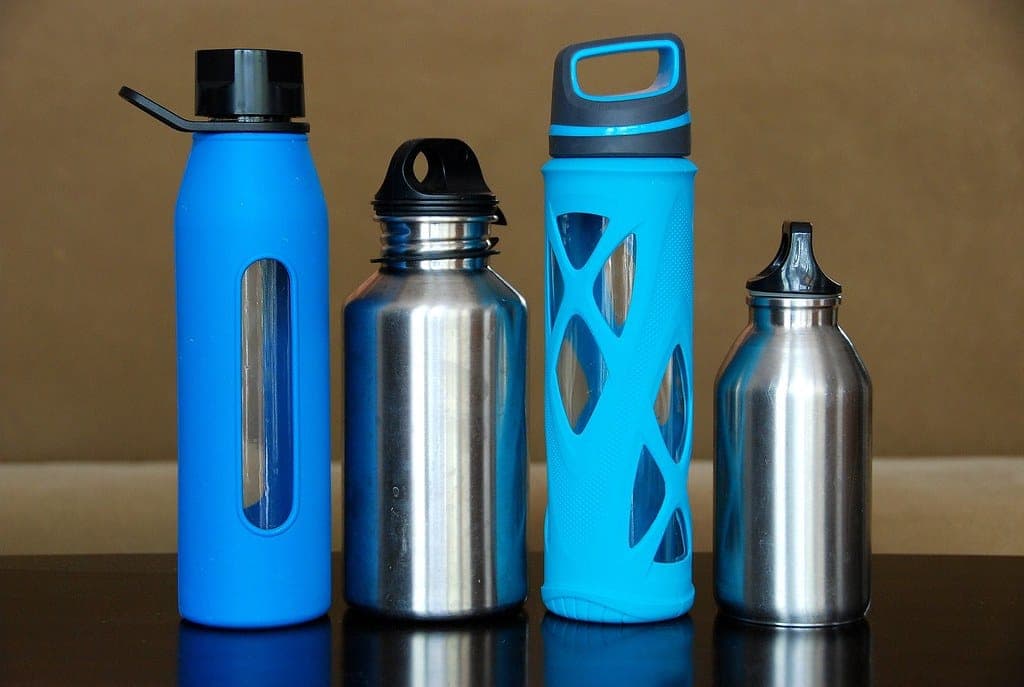
Three insulated stainless steel bottles standing side by side

The short answer

For hiking, buy the Hydro Flask: it seals properly and is the lightest of the three. For a truck, a boat or anywhere it gets dropped, buy the YETI. Buy the Stanley Quencher for the car and the desk, and never put it in a pack -- it is not leakproof when tipped.

Trail & Terminal earns a commission when you buy through our Amazon links, at no extra cost to you. It does not change which products we pick -- see our affiliate disclosure and selection method.

Our picks at a glance

Hydro Flask vs YETI vs Stanley -- ranked picks
#ProductBest forKey specPrice
1Hydro Flask Wide Mouth 32ozThe lightest of the three, with a lid that genuinely seals. The pack-friendly choice.hiking and a packLightest, leakproof lid
2YETI Rambler 26oz BottleThe toughest of the three. Heaviest, with the most secure lid and the best dent resistance.abuseToughest build
3Stanley Quencher H2.0 Travel TumblerThe most pleasant to drink from and the only one that is not leakproof. Keep it out of your pack.the car and the deskTumbler, not leakproof

Ranked by the criteria in how we pick. We hold no live prices, so every button goes straight to the current Amazon listing.

Every pick, in full

The picks

1

Best for hiking and a pack

Hydro Flask Wide Mouth 32oz

The lightest of the three, with a lid that genuinely seals. The pack-friendly choice.

For carrying in a pack, this is the one, and the reason is the lid. An insulated bottle in a backpack has to be trusted upside down, and the standard Hydro Flask cap seals reliably. It is also the lightest of the three by a useful margin, which matters because you are already carrying two pounds per liter of water. The powder coat chips at the base over time and the walls dent more readily than the YETI, which is the price of the weight saving.

Specs

  • Double-wall vacuum insulated stainless steel
  • Powder-coated exterior
  • Leakproof Flex Cap when closed
  • Lifetime warranty per Hydro Flask

Good for

  • Lightest of the three, which matters when you also carry the water
  • The standard lid seals properly, so it is safe to put in a pack
  • Wide range of lid options including straw and flip versions

Bad at

  • The powder coat chips at the base with repeated knocks
  • Thinner walls than the YETI, so it dents more easily
  • Opaque, so it gets neglected and develops odor
2

Best for abuse

YETI Rambler 26oz Bottle

The toughest of the three. Heaviest, with the most secure lid and the best dent resistance.

If the bottle will be dropped onto rock, thrown into a truck bed or knocked around a boat, this is the one that survives it. The finish resists chipping noticeably better than powder coat, the walls dent less, and the lids are the best made of the three. The cost is weight, and on a long hike that is a real consideration rather than a detail. Buy it for durability-first use and buy the Hydro Flask if you are carrying it up a hill.

Specs

  • Double-wall vacuum insulated stainless steel
  • DuraCoat finish that resists chipping per YETI
  • Chug Cap and Straw Cap options, both sealing
  • Dishwasher safe

Good for

  • The most dent and chip resistant of the three by a clear margin
  • Lids seal properly and the threads feel engineered rather than adequate
  • Dishwasher safe, which not all insulated bottles are

Bad at

  • Heaviest of the three, and that weight is carried all day
  • Most expensive for the capacity
  • Fewer lid and color options than Hydro Flask
3

Best for the car and the desk

Stanley Quencher H2.0 Travel Tumbler

The most pleasant to drink from and the only one that is not leakproof. Keep it out of your pack.

This is not really competing with the other two, and the comparison is useful mainly because people assume it is. As a vehicle and desk tumbler it is the best of the three: the straw lid means you drink more without thinking about it, and the tapered base fits a cup holder. But it is a tumbler, not a sealed bottle, and it will leak if it goes over. That single fact disqualifies it from a pack, and it is the most common complaint from people who tried.

Specs

  • Double-wall vacuum insulated stainless steel
  • Rotating lid with a reusable straw
  • Tapered base designed for car cup holders
  • Large capacities available

Good for

  • The straw makes drinking effortless, which genuinely increases how much you drink
  • Fits a car cup holder, which the other two do not
  • Excellent cold retention at large capacities

Bad at

  • Not leakproof when tipped or inverted -- it will empty into a bag
  • Heavy for its capacity and the handle snags on pack straps
  • The straw and lid assembly has several parts to clean

01 — Comparison

Head to head

Insulation is effectively a tie. All three use double-wall vacuum stainless steel, and vacuum insulation is vacuum insulation -- the differences in published retention figures are small and the test conditions are not standardized across brands, so they are not a reliable basis for choosing. What genuinely differs is the lid, the weight and the finish.

Hydro FlaskYETIStanley Quencher
InsulationVacuum, very goodVacuum, very goodVacuum, very good
Leakproof invertedYes, standard capYesNo
Weight for capacityLightestHeaviestHeavy
Dent and chip resistanceModerateBestModerate
Fits a cup holderNoNoYes
Easy to drink on the moveModerateModerateBest
Lid parts to cleanFewFewSeveral
Right forHiking, packsTrucks, boats, abuseCars, desks, home

02 — The key difference

The lid is the whole decision

For any bottle that goes in a bag, whether the lid seals when inverted is not a feature comparison -- it is a pass or fail test.

A bottle that leaks into a backpack soaks a map, a down jacket, a phone and a camera. A wet down jacket is a genuinely serious problem in cold weather, not an inconvenience. So for pack use, the question is simply: does the lid seal upside down? Hydro Flask's standard cap does. YETI's caps do. The Stanley Quencher's rotating straw lid does not, and Stanley does not claim it does.

Also check your specific lid. Straw and flip-top lids from any brand are generally less reliably sealed than a plain screw cap, so a Hydro Flask with a straw lid is not the same proposition as one with the standard cap. If a bottle goes in a pack, use the plain cap.

03 — Decision

Choose each one if

Hydro Flask, if the bottle goes hiking

Lightest, seals properly, widest lid range. The powder coat will chip and the body will dent eventually, and both are cosmetic until a dent is deep enough to compromise the vacuum wall. For pack use it is the right answer. See water bottles for hiking.

YETI, if the bottle gets abused

Truck beds, boats, construction sites, kids. The finish and wall thickness genuinely survive more, and the lids are the best built here. Accept the weight: this is not the bottle for a long climb.

Stanley, if it never leaves the car or the desk

The straw lid genuinely increases how much people drink, which is the actual goal of a water bottle, and nothing else here fits a cup holder. Just do not put it in a bag.

None of them, if weight is the priority

The honest answer for most hiking is a light plastic bottle. An insulated bottle costs you several ounces of steel carried all day for a benefit you only notice in hot weather. See Nalgene versus Hydro Flask for that comparison directly.

04 — Care

Keeping an insulated bottle from smelling

The one real downside all three share is that you cannot see inside them. Odor is the most common long-run complaint about insulated bottles across every brand, and it is entirely preventable.

  • Dry with the lid off. A sealed steel bottle with a film of water inside is where the smell starts.
  • Scrub the lid, the gasket and the threads. That is where residue collects, not the body, and it is the part everyone skips.
  • Rinse immediately after anything that is not water. Coffee, electrolyte powder and juice all leave residue that builds biofilm.
  • Remove and clean the gasket periodically. On most lids it comes out, and underneath it is the worst place in the bottle.
  • If it already smells, a soak with baking soda or a dilute vinegar solution usually resolves it. Check whether your bottle is dishwasher safe before using one -- not all are.

05 — Criteria

How we compared these

Whether the lid seals inverted first, because that is a pass or fail for pack use, then weight for the capacity, then durability of finish and wall, then how easy each is to drink from and to clean. Full method on how we pick.

We have not run retention tests. All three use double-wall vacuum insulation and the published retention figures are not measured under a shared standard, so we treat insulation as equivalent rather than ranking it on incomparable numbers. The leakproofing claims are each manufacturer's own; durability and odor notes come from consistent owner reports.

Questions

Frequently asked

Which is better, Hydro Flask or YETI?
Hydro Flask for hiking -- it is lighter and the standard lid seals reliably. YETI for abuse -- the finish and walls resist chips and dents noticeably better. Insulation is effectively equivalent, since both use double-wall vacuum stainless steel and published retention figures are not comparably tested.
Is a Stanley Quencher leakproof?
No, and Stanley does not claim it is. The rotating straw lid is splash-resistant, not sealed, so it will empty into a bag if it tips over. Keep it in a car cup holder or on a desk, and use a properly sealed bottle for a backpack.
Do insulated bottles really keep water cold all day?
Vacuum-insulated steel bottles genuinely do keep water cold for many hours, which is why people drink more from them in heat. Published hour figures from different brands are measured under their own conditions and are not comparable, so treat them as indicative rather than as a ranking.
Why does my insulated bottle smell?
Residue in the lid, gasket and threads, plus being stored sealed while damp. Clean the lid assembly rather than just the body, remove the gasket periodically, and always dry with the lid off. Being opaque is what lets the problem develop unnoticed.
Are insulated bottles too heavy for hiking?
They are heavier than plastic by several ounces, and you carry that all day on top of the water. In hot weather the cold water is often worth it because people drink more. In cool weather it is dead weight, and a light plastic bottle is the better choice.

Back up a level

This page sits in Trail -- what you carry on your back: packs, poles, water, warmth.

Read next