Skip to content
Trail & Terminal

02 — Trail / Roundup

Best hiking boots

Every boot below is a competent boot. Only one of them is shaped like your foot, and that is the comparison that decides whether you finish the hike happy.

By Brijon M.Last updated How we pick
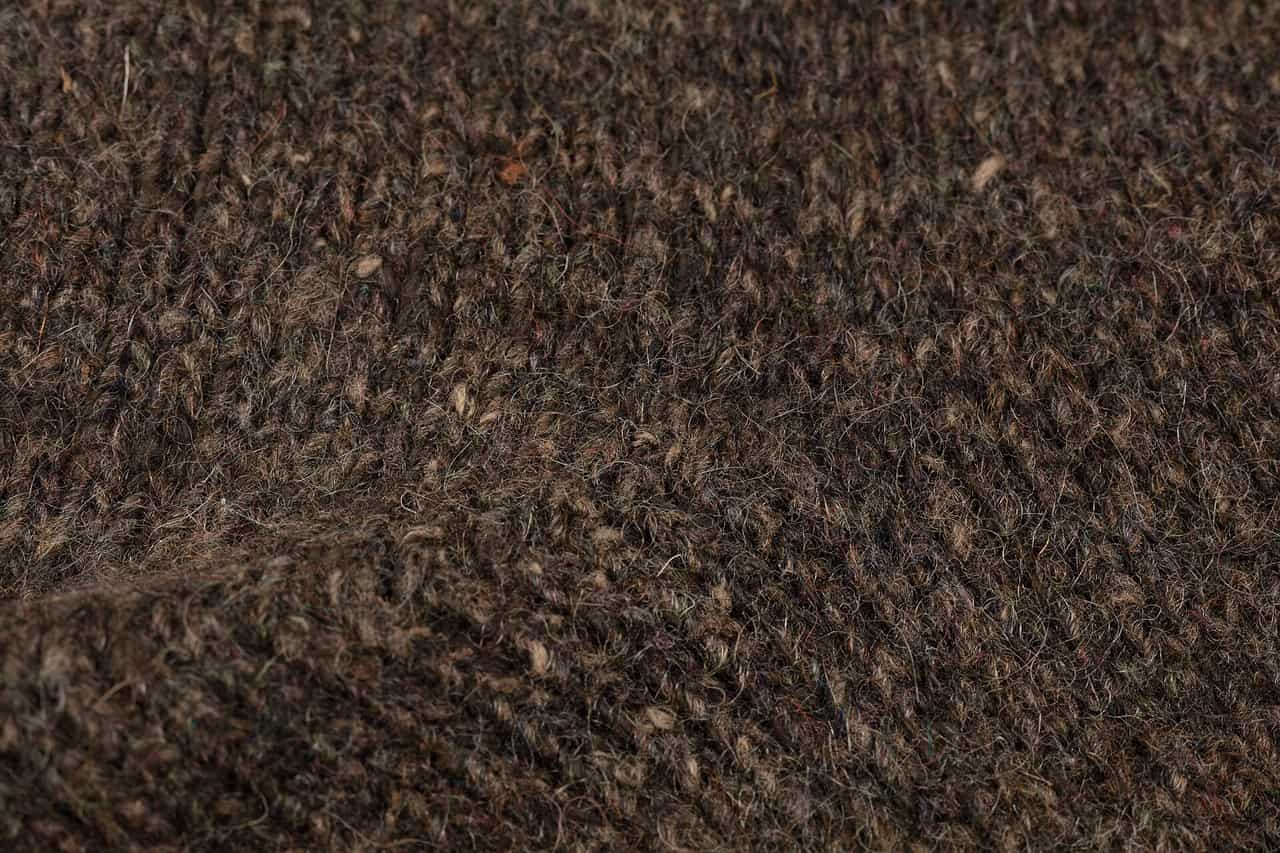
Wool hiking socks beside a pair of hiking boots

The short answer

The Merrell Moab 3 Mid Waterproof is the right first recommendation for most hikers: a roomy forefoot, multiple widths, a 5 mm-lug Vibram outsole and the least break-in of anything here. If your foot is narrow and you hike fast, the Salomon X Ultra 5 Mid GTX is the better shape. Fit decides this category, not specs.

Trail & Terminal earns a commission when you buy through our Amazon links, at no extra cost to you. It does not change which products we pick -- see our affiliate disclosure and selection method.

Our picks at a glance

Best hiking boots -- ranked picks
#ProductBest forKey specPrice
1Merrell Moab 3 Mid WaterproofThe default hiking boot in the United States for a reason: a forgiving last, real width options, and it feels broken in out of the box.most hikers, and the shortest break-in2 lb 2.9 oz per pair, Vibram TC5+ with 5 mm lugs, 11.5 mm drop
2Salomon X Ultra 5 Mid GTXThe lightest real boot here and the most locked-down. A hiking shoe's agility with a mid cuff, if your foot is the shape it wants.fast hiking and narrow-to-average feet440 g per boot, Gore-Tex, Advanced Chassis, 128 mm cuff
3KEEN Targhee IV Mid WaterproofThe widest toe box of anything here, with a rubber bumper over the front of it. If other boots crush your toes, start here.wide feet and bruised toes2 lb 8.6 oz per pair, KEEN.DRY, wide toe box, regular and wide
4Lowa Renegade GTX MidThe grown-up choice: a real leather boot with a supportive frame, built to be worn for years rather than replaced annually.heavy packs and long seasonsAbout 1,170 g per pair, nubuck leather, Gore-Tex, Vibram Evo
5Columbia Newton Ridge Plus II WaterproofA competent waterproof boot at a fraction of the price of the others. Lighter duty than it looks, and we would rather say so.the budget pick and occasional hikersPublished about 904 g per pair, Omni-Tech membrane, Omni-Grip outsole

Ranked by the criteria in how we pick. We hold no live prices, so every button goes straight to the current Amazon listing.

Every pick, in full

The picks

1

Best for most hikers, and the shortest break-in

Merrell Moab 3 Mid Waterproof

The default hiking boot in the United States for a reason: a forgiving last, real width options, and it feels broken in out of the box.

This is the boot to start with unless you already know your foot is narrow or your trips are heavy. The reason is not that it is the most capable boot in this list -- it is not -- but that it fits the widest range of feet with the least adjustment, and in footwear that outweighs every spec on the box. A boot that suits your foot shape at 27 ounces will beat a better-engineered boot that pinches at 24.

The near-zero break-in matters more than it sounds. A stiff leather boot needs weeks of short walks before a long day in it is safe, and most people skip that and pay for it in blisters. The Moab skips the requirement. Pair it with a proper sock -- see best hiking socks -- because a cotton sock will defeat any boot in this list.

Specs

  • Published weight 2 lb 2.9 oz per pair (about 27 oz / 770 g)
  • Upper: pig suede leather and mesh
  • Merrell DRY waterproof membrane (Merrell's own, not Gore-Tex)
  • Vibram TC5+ outsole with 5 mm lugs; molded nylon arch shank
  • Super Rebound Compound midsole with Merrell Air Cushion heel; 11.5 mm heel-to-toe drop
  • Kinetic Fit ADVANCED removable contoured footbed
  • Sold in multiple widths in both men's and women's sizing

Good for

  • A genuinely roomy forefoot that suits average-to-wide feet without being sloppy at the heel
  • Almost no break-in -- the mesh-and-suede upper is soft from the first wear, which is rare in a mid boot
  • The best-supported boot here for finding your size: widths, half sizes and a huge retail footprint mean a real chance of trying it on

Bad at

  • Merrell DRY is a less proven membrane than Gore-Tex, and owners commonly report the waterproofing fading after a couple of seasons of hard use
  • The soft upper gives up torsional support -- under a heavy multi-day pack on uneven rock it flexes more than a leather boot
  • Mesh panels mean more entry points for trail grit and faster abrasion than an all-leather boot
2

Best for fast hiking and narrow-to-average feet

Salomon X Ultra 5 Mid GTX

The lightest real boot here and the most locked-down. A hiking shoe's agility with a mid cuff, if your foot is the shape it wants.

The case for this boot is simple physics: a pound on your feet costs several times a pound in your pack, because you lift it and swing it with every step. Over a 12-mile day that difference is real, and the X Ultra is the only boot in this roundup that is genuinely light rather than merely not-heavy.

What you trade is tolerance. This is a boot built on a narrow, precise last, and it is excellent on a foot that matches and miserable on one that does not. If you have ever sized up a running shoe to stop your little toe complaining, start elsewhere. If you like a snug shoe and your trips are day hikes and fast overnights, this is the best boot here. It pairs naturally with a light pack -- see best hiking daypacks.

Specs

  • Published weight 440 g per boot (about 15.5 oz; roughly 1 lb 15 oz per pair)
  • Gore-Tex waterproof membrane
  • Advanced Chassis molded insert embedded in the outsole for lateral support
  • All Terrain Contagrip outsole
  • Matryx upper panels -- coated high-tenacity yarn including Kevlar, for abrasion resistance at low weight
  • EnergyCell EVA midsole
  • Upper height 128 mm

Good for

  • Noticeably lighter than every other boot here, and weight on your feet costs more energy than weight on your back
  • The chassis gives real lateral stability without a stiff upper -- it resists rolling on side-hill and loose rock
  • Gore-Tex rather than a house membrane, which is the more durable waterproofing bet over several seasons

Bad at

  • A narrow, performance-oriented last. Wide and high-volume feet are frequently uncomfortable in it, and there is no wide option across most of the range
  • Salomon's Quicklace and SensiFit systems are polarizing -- when a lace pull fails, it is not a thing you can fix with a shoelace from a gas station
  • The low weight comes from thin materials; expect the mesh to show wear sooner than the leather boots here
3

Best for wide feet and bruised toes

KEEN Targhee IV Mid Waterproof

The widest toe box of anything here, with a rubber bumper over the front of it. If other boots crush your toes, start here.

There is a specific reader for this boot, and if you are one, nothing else in this list will do: feet that are wide across the ball, toes that splay, and a history of bruised or blackened toenails after long descents. The Targhee line has been iterated for two decades specifically around that shape, and the IV is the current core model.

The bumper deserves its reputation. On a steep, rocky descent your toes find the front of the boot repeatedly, and a molded rubber cap over the toe box turns an afternoon of flinching into a non-event. The cost is bulk and a certain amount of clod-hopper feel, and we are not going to pretend otherwise -- this is a sturdy boot that walks like a sturdy boot.

Specs

  • Published weight 2 lb 8.6 oz per pair, men's (women's 2 lb 2.6 oz)
  • Nubuck leather upper with mesh lining
  • KEEN.DRY waterproof, breathable membrane
  • Luftcell polyurethane midsole
  • High-traction TPU outsole; internal stability shank
  • KEEN's signature molded rubber toe bumper
  • Sold in regular and wide widths, men's and women's

Good for

  • A forefoot shape that genuinely accommodates wide and splayed feet -- not just a wide size of a narrow last
  • The toe bumper is the most useful feature in this roundup for anyone who kicks rocks and roots, which is everyone on a long descent
  • A polyurethane midsole resists long-term compression better than EVA, so the cushioning holds up over more miles

Bad at

  • The heaviest-feeling boot here in normal use, and it looks and walks bulky -- it is not a boot for moving fast
  • That wide toe box means a narrow foot will slide inside it, and no amount of lacing fixes forefoot volume
  • KEEN.DRY is a proprietary membrane; like Merrell's, it typically loses water resistance before the upper wears out
4

Best for heavy packs and long seasons

Lowa Renegade GTX Mid

The grown-up choice: a real leather boot with a supportive frame, built to be worn for years rather than replaced annually.

A supportive leather boot stops being an indulgence the moment your pack gets heavy. Load changes how your ankle behaves on uneven ground, and a soft-sided boot lets the foot twist in ways a stiff frame does not. If your trips involve multi-day loads -- see best backpacking backpacks for the pack side of that -- this is the category of boot to be shopping in.

The honest counter-argument: most people do not hike enough to justify it. If you do eight day hikes a year on groomed trail with a light pack, the money is better spent elsewhere and the break-in is a chore for no return. Buy this boot because your loads and your mileage ask for it, not because it is the nicest thing on the page.

Specs

  • Published weight about 1,170 g per pair (roughly 2 lb 9 oz)
  • Supple nubuck leather upper, multi-panel construction
  • Gore-Tex lining
  • Vibram Evo outsole, low-profile, with a tread designed for a rolling gait
  • Lowa Monowrap dual-injection frame for cushioning plus lateral support
  • Two-zone lacing; hard heel stabilizer
  • Regular fit as standard, with wide versions offered in parts of the range

Good for

  • Far more torsional support than the mesh boots here -- the difference is obvious under 35 pounds on uneven ground
  • Nubuck leather lasts: this is the boot in this list most likely to still be in service in five years
  • The two-zone lacing lets you lock the heel independently of the forefoot, which is the single most effective fix for heel lift

Bad at

  • The real break-in period in this roundup. Walking a long first day in these is a mistake, and that is a genuine cost in time
  • Clearly the premium-priced pick -- it sits well above the others, and the value case only works if you hike enough to use it up
  • Heavier and warmer than the synthetic boots; in genuine summer heat it is more boot than most day hikes need
5

Best for the budget pick and occasional hikers

Columbia Newton Ridge Plus II Waterproof

A competent waterproof boot at a fraction of the price of the others. Lighter duty than it looks, and we would rather say so.

The budget argument in footwear is usually wrong, and this is the exception that shows the rule has limits. If you hike a handful of times a year on maintained trail, what you need from a boot is a dry foot, some ankle coverage and tread that grips wet rock, and this delivers all three. Paying four times as much buys support and longevity you will not consume.

Where it stops being the right answer is load and terrain. Put a multi-day pack on and walk a talus slope and the shortcomings are immediate rather than theoretical. If you are kitting out from scratch and want to know what else actually matters, our hiking gear for beginners page is the honest short list.

Specs

  • Published weight about 904 g per pair (just under 2 lb)
  • Upper: PU-coated leather, suede and mesh with sealed seams
  • Omni-Tech waterproof, breathable lining
  • Techlite EVA midsole
  • Omni-Grip multi-terrain outsole
  • Suede version offered in a wide width

Good for

  • By far the cheapest route into a waterproof mid boot from a brand with a real warranty process behind it
  • Light for a leather-and-suede boot, so it does not punish occasional hikers who are not conditioned for weight
  • Perfectly adequate for groomed trail, wet grass, dog walks and travel days -- which is what most boots are actually used for

Bad at

  • Columbia positions it for light hiking and urban use, and that is the right read: it is under-supported for heavy packs and rough off-trail ground
  • The EVA midsole compresses faster than the polyurethane in the KEEN, so the cushioning fades sooner over high mileage
  • Owner reports on outsole wear and long-term waterproofing are mixed -- this is the pick most likely to be replaced rather than repaired

01 — Compare

The picks at a glance

Weights below are the manufacturers' published figures and are not all quoted the same way, which is normal in footwear -- some brands publish per boot, some per pair, and almost all quote a single reference size. Read them as a ranking, not as measurements.

PickPublished weightMembraneFitBest for
Merrell Moab 3 Mid WP2 lb 2.9 oz / pairMerrell DRYRoomy, multiple widthsMost hikers
Salomon X Ultra 5 Mid GTX440 g / bootGore-TexNarrow, preciseFast hiking
KEEN Targhee IV Mid WP2 lb 8.6 oz / pairKEEN.DRYWidest toe box, reg + wideWide feet
Lowa Renegade GTX Midabout 1,170 g / pairGore-TexRegular, supportiveHeavy packs
Columbia Newton Ridge Plus IIabout 904 g / pairOmni-TechRegular, wide in suedeBudget, occasional use

02 — Selection criteria

The criteria that actually decide a boot

Hiking boots are the one gear category where the published specification is close to useless on its own. Two boots with identical weight, membrane and lug depth can produce a perfect day and a bloody heel on the same foot. So the criteria below are ordered by how much they change the outcome, and the order is not negotiable.

  • Last shape, then width, then size. The last is the form the boot is built around -- the volume and curve of it. Width options help, but a wide size of a narrow last is still a narrow last. Match the shape first.
  • Heel hold. Blisters at the heel are almost always movement, not friction from a bad sock. A boot that locks your heel in place, usually through independent upper-zone lacing, prevents them structurally.
  • Weight, because it is multiplied. Mass on your feet is lifted and swung with every stride, so it costs disproportionately more than mass in your pack. Between two boots that fit, take the lighter one.
  • Support matched to your load. Torsional stiffness is what stops your foot twisting under a pack on uneven ground. Day hikes with a light pack do not need it; four days of food does.
  • Outsole and lug depth for your terrain. Deep, widely spaced lugs (4 to 5 mm) shed mud and bite loose dirt. Shallower, denser tread grips dry rock and slabs better. Neither is better in the abstract.
  • Whether the waterproofing is a membrane you trust. Gore-Tex has the longest track record; house membranes are cheaper and typically fail sooner. Both wet out eventually.

03 — Category choice

Boot, hiking shoe or trail runner?

The honest answer is that a lot of people hiking in mid boots do not need them, and a few people hiking in trail runners badly do. The deciding variables are load, terrain and ankle history -- not distance, and not how serious the hike sounds.

A mid boot earns its place when you are carrying weight, when the ground is loose or uneven enough that your ankle gets worked, and when you want the cuff to keep scree and snow out. It also runs warmer, dries slower and weighs more, and those are not small costs in summer.

A low hiking shoe is the right call for most day hiking on maintained trail with a light pack. You get the same outsole and the same membrane with less weight and better breathability, and the ankle support a mid cuff provides is more modest than most people assume.

A trail runner wins on weight and drying time, and it is the standard choice among experienced long-distance hikers, who have the foot and ankle conditioning to go without support and would rather replace shoes often than carry weight. It is a poor first choice for someone starting out with a heavy pack.

The thing that genuinely changes with a mid boot is not ankle injury prevention, which is debated, but debris and water exclusion plus a stiffer platform under load. Decide on those terms.

04 — Fit

Fit is the whole game

Everything above is secondary to this section. Boots are the one category where buying the wrong thing hurts continuously for an entire trip, and where the correct choice is specific to your foot rather than to the product.

Here is the practical process, in the order that works. Measure both feet late in the day when they are at their largest, because feet swell with heat and mileage and most people's feet differ in length. Fit the boot to the larger foot and use the sock and lacing to take up slack on the other. Try boots on with the socks you will actually hike in -- a midweight wool sock is meaningfully thicker than a cotton one, and this is where the half size goes.

You want roughly a thumb's width of space in front of your longest toe, a heel that does not lift when you walk a ramp or a flight of stairs, and no pressure point anywhere that you notice while standing still. Anything you can feel in the shop becomes a wound at mile eight.

How much room should I leave in the toe?

About a thumb's width -- commonly a half size up from your street shoe. The reason is downhill: on a long descent your foot slides forward with every step, and a toe that touches the front of the boot on flat ground will be bruised by the bottom of the hill. This is the most common fit mistake and the cause of most black toenails.

What if one foot is bigger than the other?

That is normal, and the rule is to fit the larger foot. Take up the difference on the smaller side with a thicker sock, an additional insole, or by lacing that boot a touch tighter through the instep. Fitting the smaller foot and hoping the bigger one settles down does not work.

How do I stop my heel lifting?

Use the lacing zones. Lace the forefoot comfortably, then lock the instep with a surgeon's knot -- two wraps instead of one at the eyelet above the arch -- before continuing up the cuff. That clamps the instep and pins the heel without crushing the forefoot. If heel lift survives that, the boot's heel cup is the wrong shape for you, and no technique fixes it.

Do I still need to break boots in?

It depends entirely on the upper. A soft mesh-and-suede boot like the Moab 3 is effectively ready immediately. A full nubuck leather boot like the Renegade needs real wear -- short walks, then longer ones, over a couple of weeks -- before a long day is safe in it. Never make a new leather boot's first outing your biggest hike of the year.

Can I buy hiking boots online?

You can, and most people do, but order two sizes and plan to send one back rather than talking yourself into the one that arrived. Check the return policy before you buy, and keep the boots indoors until you have committed. If a local shop carries the model, trying it on there is worth more than any review, including ours -- see how we pick for what we can and cannot tell you.

05 — Read the specs

Waterproof membranes: what you gain and what you give up

Every boot in this roundup is waterproof, which is both the default in this category and a genuine trade rather than a free upgrade. A laminated membrane keeps liquid water out and lets a limited amount of vapor through, and that second part is where the compromise lives.

The gain is obvious: wet grass, puddles, shallow creek crossings and snow stop being a problem, and a dry foot is a warm foot in cold weather. The loss is breathability. A membrane boot runs hotter and sweatier than an unlined one in summer heat, and once water gets in over the cuff -- which a deep crossing guarantees -- the same membrane that kept water out now keeps it in. A non-waterproof boot would have drained and dried by lunchtime.

The second thing worth knowing is that waterproofing is a consumable. Membranes fail gradually as the upper abrades, creases flex, and the outer fabric loses its water-repellent finish and starts holding water against the laminate. Gore-Tex generally lasts longer than proprietary membranes, which is most of what the Salomon and Lowa premiums buy you, but no boot stays waterproof for its whole life. Treating the upper with the manufacturer's recommended product genuinely extends it.

  • Hot, dry climates and desert hiking: consider skipping waterproofing entirely. Ventilation and drying speed matter more than puddles.
  • Shoulder season, wet grass, snow and mud: a membrane is clearly worth it, and this is what most of the US hiking year looks like.
  • Repeated deep crossings: no boot wins. Expect wet feet and choose for drying speed and sock quality instead.
  • Maintenance: clean the upper after muddy hikes and re-treat the outer finish once a season. Dirt in the fabric is what kills water repellency first.

06 — Practical

Caring for boots so they last a second season

Boots rarely die of mileage. They die in a garage, from storage mistakes that take ten minutes to avoid.

  • Knock the mud off and brush the upper after wet hikes. Dried grit abrades leather and mesh from the outside and holds water against the membrane.
  • Dry them at room temperature, away from heat. A radiator, a campfire or a hot car will crack leather and can delaminate adhesives -- this is the most common way a good boot is ruined.
  • Pull the insoles out to dry separately, and loosen the laces fully so air moves through the boot.
  • Re-treat leather and nubuck uppers with the manufacturer's recommended conditioner or waterproofing once a season, not with household oils.
  • Store them loosely laced somewhere dry and dark, never sealed in a plastic bag. Sealed damp storage is how midsoles and linings grow mold.
  • Replace them when the lugs are rounded off or the midsole no longer rebounds, regardless of how good the upper looks. Grip and cushioning are what you bought.

07 — Honest limits

What we did not test, and what that means

We have not put miles on these five boots, measured their weights, tested their membranes under a shower head, or run outsoles over wet rock in a controlled way. Footwear is also the hardest category in which third-party testing transfers to you, because a tester's verdict is mostly a report on how a boot fits that tester's foot.

So there are no star ratings from us on this page, no durability scores and no claimed field hours. Every figure above -- weights, membrane names, outsole compounds, lug depths, drop, midsole materials and width availability -- is the manufacturer's published specification, and where a brand publishes weight per boot rather than per pair we have said so rather than quietly converting it.

What is ours is the reasoning: the criteria order, the argument that last shape outranks every spec, the view that proprietary membranes typically fail before Gore-Tex, and the matching of each boot to a foot shape and a load. We publish no prices -- footwear is discounted constantly and by size. Every buy link opens a live Amazon search for the model named, so you land on current listings and current sizes. Full method at how we pick.

Questions

Frequently asked

What are the best hiking boots?
The Merrell Moab 3 Mid Waterproof for most hikers -- roomy forefoot, real width options, a 5 mm-lug Vibram outsole and almost no break-in. Narrow feet and fast hiking are better served by the Salomon X Ultra 5 Mid GTX, and wide feet by the KEEN Targhee IV.
Should hiking boots be a size bigger?
Usually about a half size, which should leave roughly a thumb's width in front of your longest toe. The reason is descending: your foot slides forward with each downhill step, and a toe touching the front on flat ground will be bruised by the bottom of the hill.
Are hiking boots or hiking shoes better?
Boots for carrying weight, loose or uneven ground, and keeping scree and snow out. Low hiking shoes for most day hiking on maintained trail with a light pack -- same outsole and membrane, less weight, better breathability. Load and terrain decide it, not hike length.
What are the best hiking boots for wide feet?
The KEEN Targhee IV Mid Waterproof, because KEEN builds the whole last around a wide toe box rather than offering a wide size of a narrow shape. The Merrell Moab 3 is the next-best option and is sold in multiple widths.
Do waterproof hiking boots make your feet sweat?
More than unlined boots, yes. A membrane passes only limited vapor, so a waterproof boot runs hotter in summer heat. In hot, dry climates a non-waterproof boot that drains and dries fast is often the better choice.
How long do hiking boots last?
There is no honest mileage figure, because it depends on terrain, weight and gait. Replace them when the lugs are rounded off or the midsole stops rebounding -- both happen well before a leather upper looks worn out, and both are what you actually bought.
How do I stop blisters in hiking boots?
Fix the three causes in order: movement, moisture and pressure. Lock your heel with a surgeon's knot at the instep, wear a wool or synthetic sock rather than cotton, and deal with any hot spot the moment you feel it instead of at the next break.

Back up a level

This page sits in Trail -- what you carry on your back: packs, poles, water, warmth.

Read next