Skip to content
Trail & Terminal

02 — Trail / Roundup

Best hiking socks

The cheapest piece of hiking gear that decides whether the second half of the day is enjoyable. Fiber matters less than fit, and both matter less than never wearing cotton.

By Brijon M.Last updated How we pick
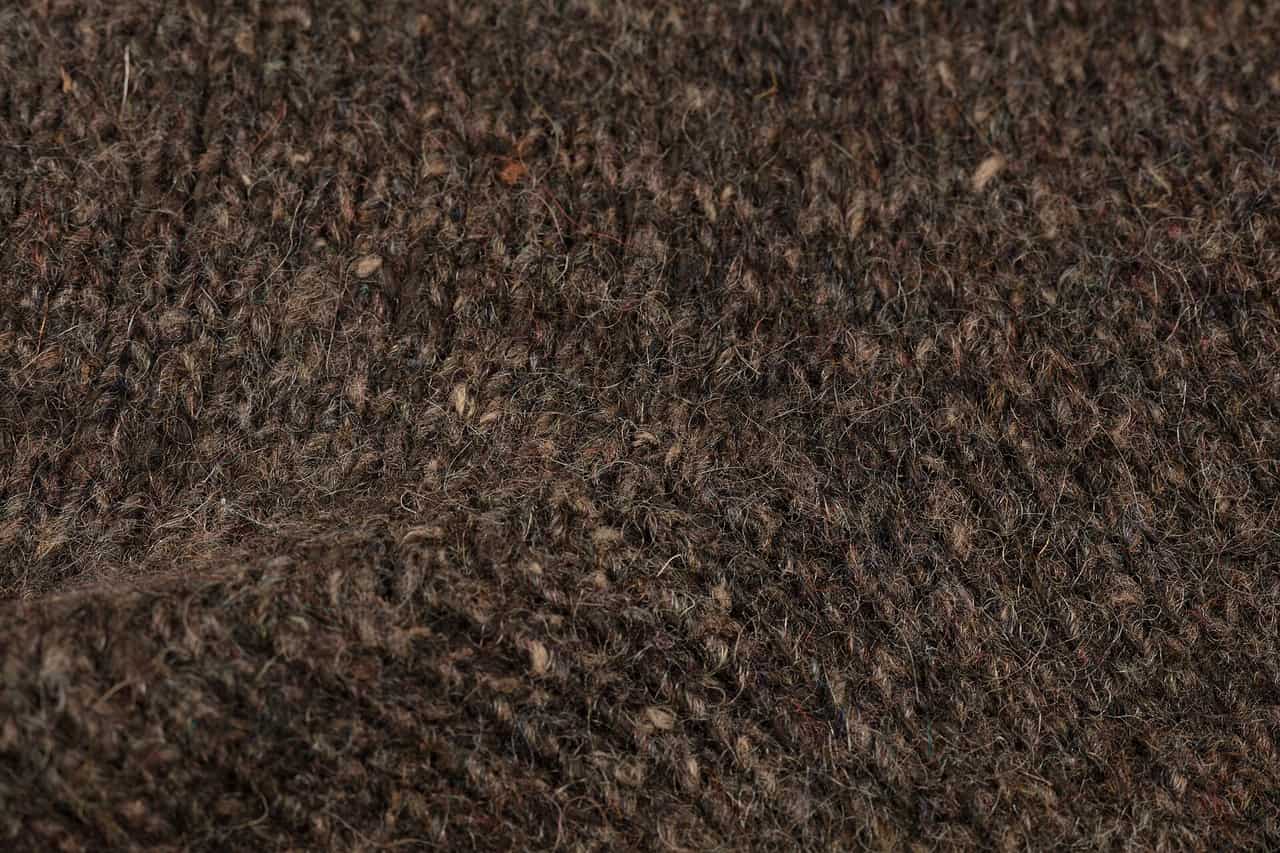
Wool hiking socks beside a pair of hiking boots

The short answer

Darn Tough Hiker Micro Crew Cushion socks are the best hiking socks for most people: merino blend, a genuine unconditional warranty, and enough cushion for boots without packing out. Whatever you buy, it must not be cotton, and it must not bunch.

Trail & Terminal earns a commission when you buy through our Amazon links, at no extra cost to you. It does not change which products we pick -- see our affiliate disclosure and selection method.

Our picks at a glance

Best hiking socks -- ranked picks
#ProductBest forKey specPrice
1Darn Tough Hiker Micro Crew Cushion SocksMerino blend, knit dense enough to resist packing out, and replaced free for life if they wear through. The default answer.most hikers, most bootsMerino blend, mid cushion
2Smartwool Hike Classic Edition Full Cushion CrewMore cushion and more warmth than the Darn Tough. The pick for stiff boots, cold days and long descents.cold weather and heavy bootsMerino, full cushion
3Injinji Trail Midweight CrewIndividual toe sleeves. Strange to wear and the only real fix if your blisters form between the toes.between-toe blistersFive-toe construction
4Wrightsock Coolmesh II CrewTwo layers in one sock, so the friction happens between the layers instead of against your skin. Synthetic and cool.heel blisters, hot weatherDouble layer, synthetic
5Leukotape P Sports TapeNot a sock. The one item that actually stops a hot spot becoming a blister, and it belongs with your socks.the blister that is already startingZinc oxide, very high tack

Ranked by the criteria in how we pick. We hold no live prices, so every button goes straight to the current Amazon listing.

Every pick, in full

The picks

1

Best for most hikers, most boots

Darn Tough Hiker Micro Crew Cushion Socks

Merino blend, knit dense enough to resist packing out, and replaced free for life if they wear through. The default answer.

The reason these are the default recommendation is not that merino is magic -- most merino blend socks perform similarly on a single hike. It is the knit density and the warranty. Cheaper wool socks pack out: the loft that cushions your foot flattens permanently after a few dozen washes, and a flattened sock is where the blisters come from. These stay lofted considerably longer.

The warranty is the other half. Wear them through and they are replaced, with no receipt and no argument about whether it was a defect. Over ten years of hiking that turns an expensive sock into the cheapest option on this list. Buy the height that matches your footwear, and note that micro crew is designed to clear a low boot cuff -- for tall boots you want the taller version so the cuff rubs sock rather than skin.

Specs

  • Merino wool blended with nylon and Lycra
  • True seamless toe closure
  • Micro crew height -- above a boot cuff
  • Unconditional lifetime guarantee

Good for

  • The warranty is genuinely unconditional, which changes the cost over a decade
  • Dense knit resists the flattening that makes cheaper wool socks useless in a season
  • Fine gauge means they fit inside boots without crowding, unlike thick wool socks

Bad at

  • Expensive per pair, and you need at least two pairs
  • Mid cushion is too warm for hot-weather trail running
  • Micro crew height is wrong for tall boots -- size up to the boot-height version
2

Best for cold weather and heavy boots

Smartwool Hike Classic Edition Full Cushion Crew

More cushion and more warmth than the Darn Tough. The pick for stiff boots, cold days and long descents.

The case for full cushion is specific: stiff-soled boots, rocky ground, long descents, and cold. Thickness under the heel and ball of the foot genuinely reduces fatigue over a long day on hard rock, and the extra wool is real warmth when the temperature drops.

The case against it is that most people buy thick socks by default and then hike in them in July, which is how you get soaked, slipping socks and macerated skin. Thickness is a tool for specific conditions, not a quality tier. It also changes the fit of your boots meaningfully -- a half size of effective volume -- so try boots on in the socks you intend to hike in.

Specs

  • Merino wool blend with nylon and elastane
  • Full cushion through the footbed
  • Flat knit toe seam
  • Crew height

Good for

  • Thick footbed takes the sting out of long rocky descents
  • Warmer than mid-cushion socks, which matters in shoulder seasons
  • Softer against skin than many merino blends straight out of the pack

Bad at

  • Too warm and too thick for summer hiking or trail runners
  • Packs out faster than the Darn Tough knit
  • A thick sock changes boot fit -- try boots with the socks you will wear
3

Best for between-toe blisters

Injinji Trail Midweight Crew

Individual toe sleeves. Strange to wear and the only real fix if your blisters form between the toes.

This is a targeted fix, not a general recommendation. If your blisters appear on the heel or the ball of the foot, toe socks do nothing for you and you should buy one of the picks above. If they appear between or on the sides of your toes -- which is common for people with toes that touch or overlap -- these are the only product that addresses the mechanism directly.

Sizing is less forgiving than a normal sock because each sleeve has to land on the right toe. Measure rather than guessing, and expect the first two wears to feel odd. Many people use them as a thin liner under a cushioned sock, which gives you the toe separation plus normal cushioning.

Specs

  • Individual sleeve per toe
  • Coolmax or merino blend options
  • Midweight cushion
  • Crew height

Good for

  • Eliminates skin-on-skin friction between toes, which nothing else addresses
  • Works as a liner under a regular sock for a two-layer system
  • People with hammer toes or overlapping toes report a real difference

Bad at

  • Fiddly to put on, genuinely annoying in a cold tent
  • The sleeves bunch if the sock size is even slightly off
  • No help at all for heel blisters, which are the more common kind
4

Best for heel blisters, hot weather

Wrightsock Coolmesh II Crew

Two layers in one sock, so the friction happens between the layers instead of against your skin. Synthetic and cool.

The mechanism here is the selling point. Friction blisters form when skin is dragged against something repeatedly. A double-layer sock lets the two layers slide against each other instead, so your skin stays put. For people who get recurring heel blisters despite good boots, this works more reliably than any amount of sock-fiber theory.

The tradeoff is synthetic fiber: fast drying, cool, cheap, and it starts to smell by day two in a way merino does not. For a hot-weather hike or a wet climate that is an easy trade. For a cold multi-day trip, wool's warmth-when-damp is worth more.

Specs

  • Two bonded layers that move independently
  • Synthetic -- quick drying rather than insulating
  • Mesh panels across the instep
  • Blister-free guarantee from the maker

Good for

  • The double layer is a genuine mechanical fix for friction blisters
  • Dries far faster than any wool sock, which matters in wet or hot conditions
  • Cooler than merino in summer heat

Bad at

  • Bulkier than a single sock of the same cushion level
  • Synthetic holds odor in a way merino does not
  • No warmth when wet, unlike wool
5

Best for the blister that is already starting

Leukotape P Sports Tape

Not a sock. The one item that actually stops a hot spot becoming a blister, and it belongs with your socks.

Included because the best sock in the world does not help once a hot spot has started, and almost nobody carries the thing that does. Apply this at the first sign of friction -- the warm, tender patch before any fluid forms -- and the hike continues normally. Wait for the blister and you are managing an injury instead.

Cut strips at home, stick them to a square of wax paper, and carry them in your first aid kit so you are not fighting a roll of tape on a hillside. Our <a href="/trail/best-first-aid-kits">first aid kits</a> roundup covers what else belongs in there, and <a href="/trail/day-hike-checklist">the day hike checklist</a> has the full carry list.

Specs

  • Rigid zinc oxide strapping tape
  • High tack -- stays on through sweat and days of walking
  • Thin enough not to change boot fit
  • One roll lasts many seasons

Good for

  • Stays stuck through sweat and water, which moleskin and bandages do not
  • Applied at the hot-spot stage it prevents the blister entirely
  • Costs very little and weighs nothing

Bad at

  • Removal pulls at skin and hair -- it is genuinely adhesive
  • Rigid, so it must be applied smoothly or it creates its own pressure ridge
  • Needs dry, clean skin to stick properly, which is a problem mid-hike

01 — No cotton

The one rule that matters more than the brand

Cotton socks are the single most common cause of hiking blisters, and the reason is mechanical rather than a matter of comfort preference. Cotton absorbs many times its weight in water, holds it against your skin, and loses all structure when wet. Wet skin is softer and tears more easily under friction, and a sock that has lost its structure bunches and slides.

That is the whole mechanism of a friction blister: damp skin plus a moving surface. Change either variable and the blister does not form. Wool and synthetic socks both move moisture away from skin and keep their shape wet, which is why the fiber argument between merino and synthetic is much smaller than the argument between either of them and cotton.

Everything else on this page is optimization. Getting this one thing right eliminates most blisters on its own.

02 — Comparison

At a glance: five socks compared

Cushion levels are as described by each maker. Note that cushion is a conditions choice, not a quality tier -- a thicker sock is not a better sock.

PickFiberCushionBest conditionSolves
Darn Tough Hiker Micro CrewMerino blendMidThree-season, most bootsGeneral use, longevity
Smartwool Hike Full CushionMerino blendFullCold, stiff boots, rocky descentsFoot fatigue, warmth
Injinji Trail MidweightSynthetic or merinoMidAnyBlisters between toes
Wrightsock Coolmesh IISynthetic, double layerLight to midHot and wetHeel friction blisters
Leukotape P (tape)n/an/aAnyA hot spot already started

03 — Fiber

Merino against synthetic, honestly

Both work. The differences are real but smaller than marketing suggests, and they point in opposite directions depending on your conditions.

Where merino wins

Merino keeps a usable amount of insulation when damp, resists odor over multiple days, and regulates temperature across a wider range -- it is noticeably less clammy than synthetic in cool damp weather. For a multi-day trip where you are wearing one pair for two days, merino is clearly better.

It is also softer than people expect if they last wore wool socks decades ago. Modern merino is fine-gauge and does not itch for most people.

Where synthetic wins

Synthetic dries dramatically faster, costs less, and lasts longer against abrasion in the same cushion level. On a hot summer day hike, or anywhere you are repeatedly wading, drying speed is worth more than warmth-when-wet.

The catch is odor. A synthetic sock is distinctly unpleasant on day two, which is why thru-hikers mostly land on merino blends despite the price.

Why nearly everything is a blend

Pure merino has poor abrasion resistance and little stretch, so it wears through at the heel and sags. Almost every sock on this page is merino with nylon for durability and a few percent elastane for shape retention. That blend -- not the wool percentage -- is why a good merino sock holds its fit.

04 — Prevention

The four blister rules

Sock choice is one of four variables, and it is not the most important one. In rough order of impact:

  1. 01Boots that fit, with the socks you will hike in. A heel that lifts is the cause; the sock is only the surface it rubs against. Try footwear on in your hiking socks, late in the day when your feet are swollen.
  2. 02No cotton, ever. Covered above. This single change removes most blisters.
  3. 03Lace properly and relace on the descent. A heel-lock lacing pattern stops heel lift. Tighten before a long descent and loosen on the climb -- most people never touch their laces and then blame the sock.
  4. 04Tape at the first hot spot, not at the first blister. Stop, take the boot off, and tape the tender patch. Five minutes there saves the rest of the trip. Our first aid kits roundup covers the full foot-care kit.

05 — Skip list

What we would skip

  • Cotton anything. Including the cotton-blend athletic socks already in your drawer.
  • Sock liners as a default. A thin liner under a sock is a real fix for some people and an extra layer to bunch for most. Try the double-layer sock first -- it does the same job in one item.
  • Compression socks for hiking. They have a genuine use case for long flights and recovery, but graduated compression is not what you want while walking uphill. See compression socks for flying for that job.
  • Waterproof socks, for most people. They work, they do not breathe, and your feet end up wet with sweat instead of water. Worth it for cold wet wading, not for general hiking.
  • Buying one pair. Two is the minimum: one on, one drying. Three if the trip is longer than two nights.

06 — Criteria

How we ranked these

Ranked by how many hikers each pick is right for, then by what specific problem it solves -- general use first, then conditions-specific cushion, then the two targeted blister fixes, then the tape that works when the socks have failed. Full method on how we pick.

We have not field-tested these as a set. Picks rest on published construction and fiber content, the stated warranty terms, and consistent long-run owner reports about how each sock behaves after a season of washes. Blister guidance follows general wound-care and sports-medicine consensus rather than any single product's marketing.

Questions

Frequently asked

What are the best socks for hiking?
A merino-nylon blend in mid cushion suits most hikers in most boots. Darn Tough's Hiker Micro Crew is the common default because the knit resists packing out and the warranty is unconditional. The fiber matters far less than not wearing cotton.
Should hiking socks be wool or synthetic?
Wool for multi-day trips and cool damp weather -- it insulates when damp and resists odor. Synthetic for hot weather and repeated wading, where drying speed matters more. Both are vastly better than cotton, which is the only real mistake.
Do you wear two pairs of socks hiking?
Only if you get friction blisters. A thin liner under a cushioned sock lets the friction happen between layers instead of against skin. A purpose-built double-layer sock does the same thing in one item and is less likely to bunch.
How thick should hiking socks be?
Match the cushion to the boot and the weather, not to your budget. Mid cushion for three-season hiking in most boots; full cushion for stiff boots, cold days and long rocky descents; light for trail runners in summer. Thicker is not better.
How many pairs of hiking socks do I need?
Two minimum, so one can dry while the other is worn. Three for trips longer than two nights. Wash and dry the off pair at camp -- merino can be rinsed and worn again sooner than synthetic without smelling.

Back up a level

This page sits in Trail -- what you carry on your back: packs, poles, water, warmth.

Read next