Skip to content
Trail & Terminal

06 — Trail Dog / Roundup

Best dog car travel accessories

Only one item in this category is a safety item. The rest protect your car. Buy the first one properly and the others are a matter of taste.

By Brijon M.Last updated How we pick
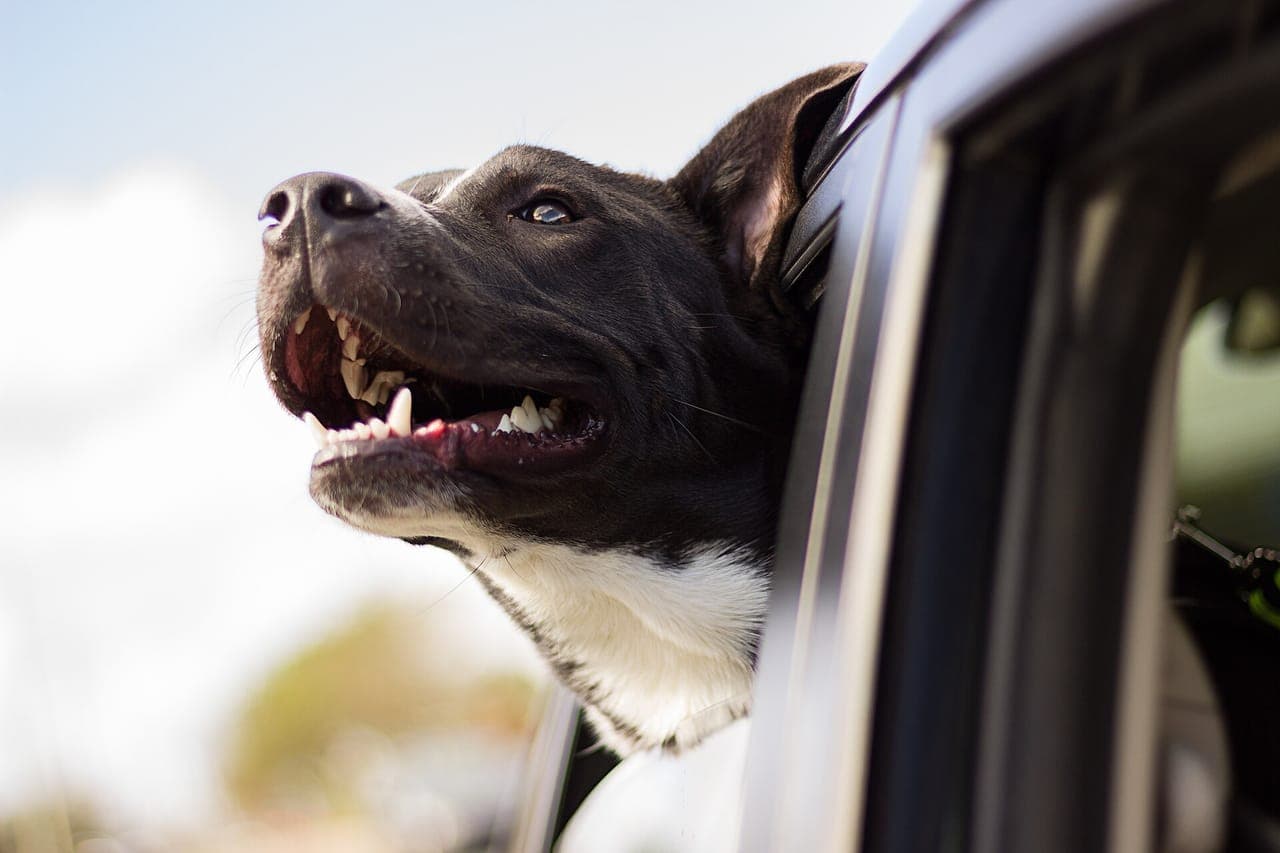
A dog sitting in the back of a car ready for a road trip

The short answer

Start with restraint: a crash-tested harness like the Sleepypod Clickit Sport, or a crate rated for vehicle use. An unrestrained dog is a hazard to itself and to everyone in the car. After that, a bench seat cover and a sun shade do the most for a long drive.

Trail & Terminal earns a commission when you buy through our Amazon links, at no extra cost to you. It does not change which products we pick -- see our affiliate disclosure and selection method.

Our picks at a glance

Best dog car travel accessories -- ranked picks
#ProductBest forKey specPrice
1Sleepypod Clickit Sport Crash-Tested HarnessIndependently crash-tested rather than simply described as safe. The one purchase in this category that is not about keeping your car clean.the only safety item hereCrash-tested, seat belt
2Gunner Kennels G1 Dog CrateA rigid crate strapped to the vehicle is the best protection available. It is also heavy, expensive and consumes the trunk.the strongest optionRigid, strap-down
3Kurgo Wander Hammock Seat CoverA hammock-style cover that stops the dog sliding into the footwell and keeps mud off the upholstery.keeping the car usableHammock or bench mode
4EzyDog Vent Window Sun ShadeA mesh shade that cuts direct sun while letting the window open. Addresses the one genuine hazard of a long drive with a dog.heat, which is the real riskMesh, window mount
5Ruffwear Dirtbag Dog TowelHand pockets so you can grip and rub. Drying the dog before it gets in the car beats cleaning the car afterwards.the thirty seconds before they get inMicrofiber, hand pockets
6Ruffwear Quencher Collapsible BowlFlat-packing bowl that clips to anything. The item that makes stopping every two hours actually useful.every stop on the driveCollapses flat, clips on

Ranked by the criteria in how we pick. We hold no live prices, so every button goes straight to the current Amazon listing.

Every pick, in full

The picks

1

Best for the only safety item here

Sleepypod Clickit Sport Crash-Tested Harness

Independently crash-tested rather than simply described as safe. The one purchase in this category that is not about keeping your car clean.

This is first because it is the only item in the category that changes an outcome rather than a mess. An unrestrained dog in a hard stop becomes a projectile that can injure itself and the people in front of it, and a loose dog after a collision frequently bolts from the vehicle into traffic.

The reason to look for published crash testing specifically is that "safety harness" is a marketing phrase with no required standard behind it. A thin tether clipped to the back D-ring of a walking harness concentrates the entire load on one stitched point. Size it by chest girth and check the fit -- the testing assumes the harness is snug. See <a href="/trail-dog/dog-harness-vs-collar">dog harness vs collar</a> for why a collar is never the attachment point.

Specs

  • Routes the vehicle seat belt through the harness, no tether
  • Independently crash-tested to a published protocol
  • Broad padded chest plate to spread load
  • Sized by chest girth

Good for

  • Actual published crash testing, which most "safety" harnesses do not have
  • Spreads crash forces across the chest rather than the neck or a single tether point
  • Doubles as a walking harness at the destination

Bad at

  • Expensive compared with a tether-and-clip setup
  • Restrictive by design -- the dog cannot turn around, which some dogs resist at first
  • Must be sized correctly by girth; a loose fit defeats the testing
2

Best for the strongest option

Gunner Kennels G1 Dog Crate

A rigid crate strapped to the vehicle is the best protection available. It is also heavy, expensive and consumes the trunk.

The best answer if the vehicle and the budget allow it, with one condition that gets ignored: it must be strapped to the vehicle's anchor points. An unsecured crate in a cargo area is a heavy object with a dog inside it, which is worse than a belted harness.

The practical obstacle on the trips this site is about is space. A large crate plus a weekend of camping gear does not fit in most cars, which is why the harness above is the realistic recommendation for most people. See <a href="/trail-dog/dog-camping-gear-list">dog camping gear list</a> for the rest of the load.

Specs

  • Double-walled rotomolded shell
  • Tie-down points for ratchet straps
  • Ventilation on multiple sides
  • Several sizes by dog dimensions

Good for

  • A rigid secured shell is the most protective option in a collision
  • Contains mud, hair and water completely, which no cover does
  • A dog that is crate-trained often settles far better than a belted one

Bad at

  • Very heavy and very expensive relative to a harness
  • Occupies most of a wagon's cargo area, leaving little for camping gear
  • Only effective if actually strapped down -- an unsecured crate is itself a projectile
3

Best for keeping the car usable

Kurgo Wander Hammock Seat Cover

A hammock-style cover that stops the dog sliding into the footwell and keeps mud off the upholstery.

Be clear about what this does. It keeps your car clean and stops the dog ending up in the footwell, which is a comfort and nuisance fix, not a safety one. The belt pass-throughs matter: a cover that blocks the seat belt forces people to choose between a clean car and restraint.

This is the item most dog owners say they wish they had bought first, because the mess is the everyday problem. Pair it with a towel so the dog is dried before it gets in. See <a href="/trail-dog/best-dog-travel-accessories">dog travel accessories</a>.

Specs

  • Converts between flat bench and hammock configurations
  • Water-resistant coated fabric
  • Seat anchors and headrest straps
  • Seat belt openings for a harness to pass through

Good for

  • Hammock mode genuinely stops a dog sliding forward into the footwell under braking
  • Protects upholstery from mud, hair and water, which is the actual day-to-day problem
  • Belt openings mean it works with a seat-belt harness rather than against it

Bad at

  • Hammock mode makes the rear seats unusable for people
  • Anchors loosen over time and need re-tightening
  • Not a restraint -- a cover prevents mess, not injury
4

Best for heat, which is the real risk

EzyDog Vent Window Sun Shade

A mesh shade that cuts direct sun while letting the window open. Addresses the one genuine hazard of a long drive with a dog.

Heat is the one thing in this category that kills dogs, and the rear of a car in direct sun is much hotter than the front where the air conditioning vents are aimed. A shade plus an open window plus directing rear vents at the dog is the practical combination.

What no accessory solves: a dog in a parked car. Interior temperatures climb dangerously within minutes even on a mild day, and cracked windows do not prevent it. Plan stops so the dog is never left in the vehicle. See <a href="/trail-dog/hiking-with-dogs-guide">hiking with dogs</a> for heat management on the trail too.

Specs

  • Mesh panel that fits over the window frame
  • Allows the window to be partly lowered
  • Reduces direct sunlight on the rear seat
  • Several vehicle fits

Good for

  • Directly addresses heat, which is the actual danger on a summer drive
  • Lets a window open without the dog being able to put its head out
  • Cheap relative to how much it improves a hot afternoon in traffic

Bad at

  • Reduces glare and heat; it does not air condition the car
  • Fit varies by vehicle and some mounts rattle at speed
  • Does nothing about a parked car, which is the dangerous case
5

Best for the thirty seconds before they get in

Ruffwear Dirtbag Dog Towel

Hand pockets so you can grip and rub. Drying the dog before it gets in the car beats cleaning the car afterwards.

The cheapest item here and the one that does the most work per dollar. Drying a wet dog at the tailgate before it gets in is the whole difference between a car that smells and one that does not. Keep it in the trunk permanently. See <a href="/carry-on/best-travel-towels">travel towels</a> for the human equivalent.

Specs

  • Microfiber body with hand pockets at both ends
  • Sized to wrap a medium dog
  • Hang loop
  • Machine washable

Good for

  • Hand pockets let you grip and rub properly, which a flat towel does not
  • Thirty seconds of drying prevents most of the mess a cover has to absorb
  • Doubles as something for the dog to lie on

Bad at

  • Not large enough to wrap a big dog fully
  • Goes musty if it lives damp in a trunk -- hang it out
  • Single purpose
6

Best for every stop on the drive

Ruffwear Quencher Collapsible Bowl

Flat-packing bowl that clips to anything. The item that makes stopping every two hours actually useful.

A dog on a long drive drinks less than it should because water is not offered, not because it is not thirsty. A bowl that lives in the door pocket changes that -- offer water at every stop whether the dog asks or not. See <a href="/trail-dog/best-dog-hiking-gear">dog hiking gear</a> and <a href="/road-trip/road-trip-essentials-list">road trip essentials</a>.

Specs

  • Waterproof lined fabric bowl
  • Collapses flat, clips to a pack or a belt
  • Machine washable
  • Two sizes

Good for

  • Zero sizing risk and no storage cost -- it packs flat in a door pocket
  • Makes a rest stop a water stop, which is what prevents problems on a hot drive
  • Cheap enough to keep one in the car and one in the pack

Bad at

  • Soft walls tip if a large dog pushes into it
  • Holds a damp smell if packed wet repeatedly
  • Needs a water bottle alongside it, so it is half a solution

01 — Start here

Restraint is the only safety item in this category

Everything sold as a dog car accessory falls into two groups, and they are not equally important. One item protects the dog and the people in the car. Everything else protects the upholstery.

An unrestrained dog in a sudden stop continues forward at the speed the car was traveling. That is a danger to the dog and to whoever is in front of it, and it is also why insurers and several state distracted-driving rules take an unrestrained animal seriously. The secondary risk is less obvious and very common: after a collision or a breakdown, a loose and frightened dog bolts out of an opened door into traffic.

So the order of purchase is: a crash-tested harness or a strapped-down crate first, then whatever makes the drive pleasant. Buying the seat cover and skipping the restraint is the common mistake, and it is the one worth correcting.

02 — Comparison

At a glance: what each item actually does

The useful split is safety against convenience. Only the first two rows change an outcome in a crash.

ItemCategorySolvesNeeds sizing?
Sleepypod Clickit SportSafetyRestraint, crash forces, boltingYes -- chest girth
Gunner G1 crate (strapped)SafetyStrongest protection, full containmentYes -- dog dimensions
Kurgo Wander Hammock coverConvenienceMud, hair, sliding into the footwellBy vehicle, not dog
EzyDog vent sun shadeComfort and heatDirect sun on the rear seatBy vehicle
Ruffwear Dirtbag towelConvenienceWet dog before it gets inNo
Ruffwear Quencher bowlComfortWater at every stopNo

03 — The decision

Crate, harness or barrier

Three approaches, with a clear ranking on protection and an equally clear ranking on practicality. They point in opposite directions, which is why this is a real decision rather than a lookup.

A strapped-down crate: best protection, worst packing

A rigid crate anchored to the vehicle is the most protective setup available, and it also fully contains mud, hair and water. The condition is that it must be strapped down -- an unsecured crate makes things worse, not better.

The cost is space and weight. A crate sized for a medium dog takes most of a wagon's cargo area, which is a hard conflict on a camping trip. If your dog is already crate-trained and you drive a vehicle with room, this is the answer.

A crash-tested seat-belt harness: the realistic choice

This is what most people should buy. It uses the vehicle's own seat belt, costs far less than a crate, takes no cargo space, and doubles as the walking harness at the destination. Look for a harness with published independent crash testing rather than the word "safety" on the label.

Fit it by chest girth and keep it snug. A correctly fitted harness limits forward travel; a loose one gives the dog room to build speed before the webbing engages.

A cargo barrier: the weakest option on its own

A barrier between the cargo area and the cabin stops a dog climbing into the front, which genuinely reduces driver distraction. It does not restrain the dog within the cargo area at all, so in a collision the dog is still thrown.

Treat a barrier as a distraction fix, not a safety device. It works well in combination with a crate or a harness and poorly instead of one.

04 — Heat

Heat is the real risk on a long drive

The hazard that actually harms dogs in cars is temperature, not collisions, and it is almost entirely preventable. Two facts matter. First, the rear of a car is considerably hotter than the front, because air conditioning vents point at the people. Second, a parked car heats to dangerous levels within minutes even on a mild day, and lowering the windows does not prevent it.

The practical consequence for a road trip with a dog is that the itinerary matters more than the gear. Plan the drive so the dog is never left in the vehicle, which in practice means someone stays with the dog at every stop, or you choose stops where the dog can come with you.

  • Aim the rear vents at the dog and check back there with your hand. The temperature difference between the front and rear of a car in sun is larger than people assume.
  • Offer water at every stop, whether the dog asks or not. Dogs on drives under-drink because nothing is offered.
  • Never leave the dog in a parked car. Not with the windows cracked, not for five minutes, not in the shade.
  • Know the signs of overheating: heavy continuous panting, thick drool, bright red gums, unsteadiness. Stop, shade, cool water over the paws and belly, and call a vet.
  • Walk the dog before you drive, not after. A dog that has had exercise settles for hours. See hiking with dogs.

05 — Skip list

What we would skip

  • Tethers clipped to a walking harness's back D-ring. The whole crash load goes through one stitched point that was designed to resist a walking pull.
  • Any restraint attached to a collar. This concentrates force on the neck. A collar is for identification, not for restraint in a vehicle.
  • Booster seats for small dogs, as safety devices. They raise the dog so it can see out, which is pleasant, and most provide no crash protection. Use one with a crash-tested harness, not instead of it.
  • Unsecured crates and carriers. A heavy box loose in a cargo area is a projectile. Strap it or do not use it.
  • Dogs with their heads out of the window. Looks joyful, and causes eye injuries from grit and insects at speed. A vent shade with the window partly down is the compromise.
  • Scented car fresheners for dog smell. Treat the cause: dry the dog, wash the cover, air the car. Strong fragrances are unpleasant for an animal with a far better nose than yours.

06 — Criteria

How we ranked these

Ranked safety first and convenience second, deliberately, because this category is usually sold the other way round. Within safety we weighted published independent crash testing over marketing language; within convenience we weighted what prevents the problem over what cleans it up. Full method on how we pick.

We have not field-tested these as a set and we are not veterinarians -- anything concerning your dog's health, fitness or restraint tolerance is a question for your vet. Picks rest on published specifications, available crash-test documentation, and consistent long-run owner reports.

Questions

Frequently asked

What is the safest way for a dog to travel in a car?
A rigid crate strapped to the vehicle's anchor points, or a crash-tested harness that routes the seat belt through the harness itself. Both limit forward travel in a collision and stop a frightened dog bolting out of an opened door afterwards.
Do dog car harnesses actually work?
The ones with published independent crash testing do. "Safety harness" is a marketing phrase with no required standard behind it, and a thin tether clipped to a walking harness's back D-ring puts the whole load through one stitched point.
Is a dog seat cover worth buying?
Yes for keeping the car usable, but be clear it is not a safety item. A hammock-style cover also stops a dog sliding into the footwell under braking. Choose one with seat belt openings so it works alongside a harness.
How do you keep a dog cool in the car on a road trip?
Aim the rear vents at the dog, fit a mesh window shade so a window can be partly open, offer water at every stop, and never leave the dog in a parked car. The rear of a car is much hotter than the front where the vents are aimed.
Can a dog travel loose in the back of a car?
It is legal in many places and it is a bad idea. An unrestrained dog is thrown forward in a hard stop, can injure the people in front, and frequently bolts into traffic after a collision. A barrier stops it reaching the front but does not restrain it.

Back up a level

This page sits in Trail Dog -- kit for the dog that comes along.

Read next