Skip to content
Trail & Terminal

04 — Carry-On / Head to head

Packing cubes vs rolling clothes

These are not competing methods. Rolling is how you fold a garment; cubes are how you organize a bag. The comparison people actually want is cubes against no cubes.

By Brijon M.Last updated How we pick
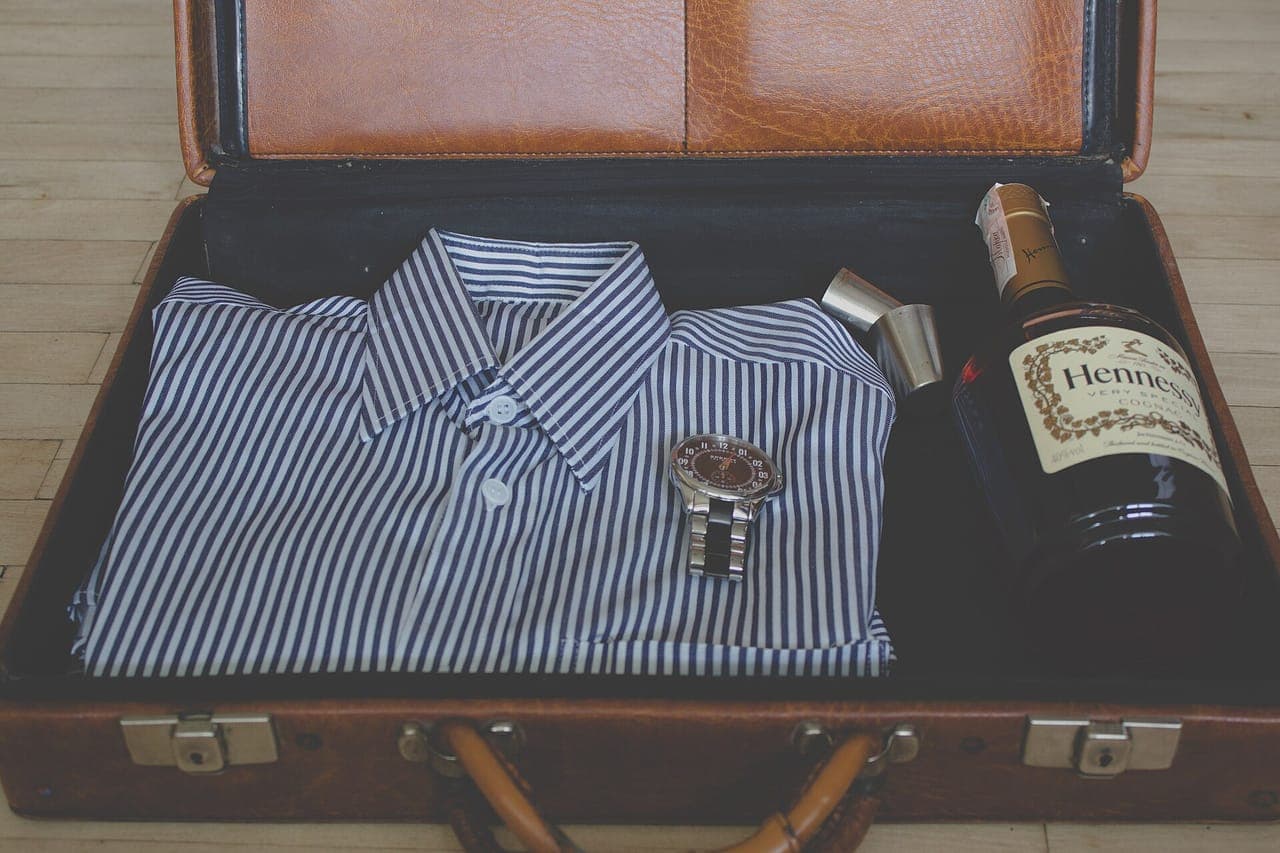
An open suitcase with neatly folded clothes inside

The short answer

Rolling fits slightly more into a bag than flat folding and wrinkles less. Packing cubes cost you a small amount of volume and buy organization plus compression. The highest-capacity setup is rolled clothes inside cubes, which is what most frequent travelers converge on.

Trail & Terminal earns a commission when you buy through our Amazon links, at no extra cost to you. It does not change which products we pick -- see our affiliate disclosure and selection method.

Our picks at a glance

Packing cubes vs rolling clothes -- ranked picks
#ProductBest forKey specPrice
1Peak Design Packing CubesA real compression zip rather than a decorative one, and an internal divider for clean and dirty. The cube that justifies the volume it costs.cubes that actually compressCompression zip, divided
2Eagle Creek Pack-It Reveal Cube SetMesh-topped cubes in a graduated set. No compression, but you can find a shirt without opening three bags.seeing what is in which cubeMesh top, 3-cube set
3Gonex Compression Packing CubesCheap cubes with aggressive compression zips. They fit the most in and they wrinkle the most -- both are true.maximum volume reductionCompression zip, 4-piece
4Osprey Farpoint 40A clamshell bag you can see into removes half the reason for cubes. Rolling into a well-shaped bag is a complete method.the bag that makes cubes optional40L clamshell

Ranked by the criteria in how we pick. We hold no live prices, so every button goes straight to the current Amazon listing.

Every pick, in full

The picks

1

Best for cubes that actually compress

Peak Design Packing Cubes

A real compression zip rather than a decorative one, and an internal divider for clean and dirty. The cube that justifies the volume it costs.

If you are going to use cubes, use ones that compress. A cube with a single zip is a fabric box that tidies your bag; a second compression zip actually reduces the volume of what is inside, which is the only way a cube pays back the space its own fabric occupies. Full category comparison in <a href="/carry-on/best-packing-cubes">best packing cubes</a>.

Specs

  • Two-zip design: pack open, then compress
  • Internal divider separating two sides
  • Recycled nylon shell with a mesh panel
  • Small and medium sizes

Good for

  • The compression zip removes real air volume rather than just tidying the shape
  • The internal divider genuinely solves the clean-versus-worn problem on a long trip
  • Keeps a rectangular shape, which is what makes cubes pack efficiently

Bad at

  • Expensive for fabric bags, which is a fair criticism of the whole category
  • Compression makes wrinkles worse, which no cube can avoid
  • The divider is fixed, so a one-sided load wastes half the cube
2

Best for seeing what is in which cube

Eagle Creek Pack-It Reveal Cube Set

Mesh-topped cubes in a graduated set. No compression, but you can find a shirt without opening three bags.

Included as the honest middle of the category: cubes that do the organization job well and the compression job not at all. For a trip where you unpack into a hotel drawer, that is enough. For a trip where you live out of the bag, the compression version above is worth the difference. See <a href="/carry-on/packing-cubes-vs-compression-bags">packing cubes vs compression bags</a> for the third option.

Specs

  • Mesh top panel for visibility
  • Graduated sizes in a set
  • Grab handle on each cube
  • Covered by Eagle Creek's warranty

Good for

  • Visibility is the feature cubes are genuinely good at, and mesh delivers it
  • A graduated set fills a carry-on more completely than three of the same size
  • Light, because mesh weighs less than a full fabric panel

Bad at

  • No compression zip, so these organize rather than shrink
  • Mesh is the part that eventually tears
  • Cubes without compression are the weakest case in this whole comparison
3

Best for maximum volume reduction

Gonex Compression Packing Cubes

Cheap cubes with aggressive compression zips. They fit the most in and they wrinkle the most -- both are true.

The useful warning with compression: the gain is largest on items with trapped air -- fleece, down, sweaters -- and close to zero on dense items like jeans and jackets. It also tempts you into overweight bags, because the volume limit stops biting before the weight limit does. See <a href="/carry-on/how-to-pack-light">how to pack light</a> for the weight-first approach.

Specs

  • Double-zip compression on each cube
  • Four-piece graduated set
  • Water-resistant polyester shell
  • Handles on each cube

Good for

  • Noticeable volume reduction on bulky items like fleece and sweaters
  • Cheap enough to buy a set without thinking about it
  • Sized to stack into a standard carry-on

Bad at

  • Compressed clothes come out creased -- this is physics, not a defect
  • Zips are the failure point on budget compression cubes
  • Easy to compress a bag past the airline weight limit while it still looks small
4

Best for the bag that makes cubes optional

Osprey Farpoint 40

A clamshell bag you can see into removes half the reason for cubes. Rolling into a well-shaped bag is a complete method.

Here to make the strongest case against cubes. Most of what cubes give you is findability, and a bag that opens like a suitcase provides that for free. If you are a roller with a clamshell bag, cubes are genuinely optional -- the one thing you still lack is clean-versus-worn separation, which a cheap laundry bag solves. See <a href="/carry-on/best-travel-backpacks">travel backpacks</a> and <a href="/carry-on/backpack-vs-suitcase">backpack vs suitcase</a>.

Specs

  • Panel-loading clamshell opening
  • Internal compression straps
  • Stowable harness and hip belt
  • Lockable main zippers

Good for

  • A bag that opens flat makes finding things easy with no cubes at all
  • Internal compression straps do some of a cube's job for free
  • Rolling straight into a clamshell is the fastest packing method there is

Bad at

  • No separation between clean and worn clothes without cubes or a bag
  • Rolled clothes shift in transit and the neat packing collapses
  • Not a cheap bag

01 — The real question

Why this comparison is usually framed wrong

Rolling and cubes are not alternatives. Rolling is a way of folding an individual garment. A cube is a container you put garments in, however they are folded. You can roll into a cube, fold flat into a cube, roll without cubes, or fold flat without cubes -- four combinations, not two.

What people usually mean when they search for this is one of two things. Either "do packing cubes actually help, or are they a tidy-looking waste of space?" or "should I roll or fold?" They have different answers, so this page covers both.

The short version: rolling beats flat folding on volume and wrinkles for most garments. Cubes cost a little volume and buy organization and compression. The two together fit the most and stay the tidiest, which is why experienced travelers nearly always do both. See best packing cubes for the hardware.

02 — Comparison

Head to head on what actually differs

Comparing the two methods on the dimensions that matter in a carry-on. Volume differences in this category are modest in every direction -- anyone claiming a method doubles your capacity is selling something.

Rolling (no cubes)Packing cubesRolled inside cubes
Volume usedEfficient -- no container fabricSlightly worse; the cubes take spaceBest, if the cubes compress
WrinklesFewest -- no hard fold linesDepends on the fold insideFew, unless you compress hard
Finding thingsPoor in a top-loader, fine in a clamshellBest -- one cube per categoryBest
Repacking each morningSlow; the stack collapsesFast -- move three cubesFast
Clean versus wornNo separationSolved by a dedicated cubeSolved
CostFreeReal money for fabric bagsReal money
Weight penaltyNoneSmall but realSmall but real

03 — Rolling

What rolling is actually good at

Rolling wins on two things and loses on one, and knowing which garments fall where saves you from rolling things that should not be rolled.

Volume: a real but modest gain

A rolled garment has no trapped air pockets at the fold and takes the shape of the space around it, so rolled clothes fill the corners of a bag that flat stacks leave empty. The gain over careful flat folding is genuine but modest -- noticeably better than a sloppy stack, marginally better than a neat one.

Where rolling clearly wins is irregular spaces: footwells of a bag, the gaps beside shoes, the space around a toiletry bag. Rolled socks and underwear are the classic use, and they go inside shoes.

Wrinkles: the stronger argument

This is the better reason to roll. A crease forms where fabric is pressed into a sharp fold under weight, and a roll has no sharp folds -- it has one continuous curve. T-shirts, cotton shirts, knitwear and pants all come out of a roll with fewer hard lines than out of a flat stack at the bottom of a bag.

Roll loosely rather than tightly. A tightly wound roll under compression is back to creasing, which is why maximum compression and minimum wrinkles cannot both be won.

What not to roll

Tailored items -- a blazer, a suit jacket, a stiff dress shirt you intend to wear to something -- should not be rolled. Fold them along their existing seams, or use the bundle method where soft items form a core and structured garments wrap around them.

Thick items with structure resist rolling too: a down jacket rolls badly and stuffs beautifully, so stuff it into a corner instead.

04 — Cubes

What cubes are actually good at

Cubes are an organization product that is frequently sold as a space-saving one. Being clear about that makes the decision easy.

The real benefits are findability and repacking. One cube for tops, one for bottoms, one for underwear and socks means you locate a shirt without excavating, and you repack a hotel room in ninety seconds by putting three rectangles back in a bag. On a trip with six stops, that compounds into hours and a much tidier bag.

The genuine space benefit only appears with a compression zip, and even then it is concentrated on items that trap air. On dense clothes, a compression cube removes almost nothing. The cube's own fabric takes up space too, so an uncompressed cube is very slightly net negative on volume.

  • Buy by category, not by size. One cube per clothing type is what makes the system work. A graduated set fills a bag better than three identical cubes.
  • Get one cube for worn clothes. This is the single most useful cube on a long trip and the one people forget to plan for.
  • Mesh tops earn their place. Seeing into a cube removes the main friction of using them.
  • Do not compress a down jacket for weeks. Long compression damages down loft. Compress at the airport, release at the hotel.
  • Watch the scale, not the bag. Compression makes it easy to pack an overweight carry-on that still fits the sizer. See how to pack light.

05 — The verdict

The method that actually fits the most

Rolled clothes inside compression cubes, with soft items filling the irregular gaps and shoes packed with socks inside them. That combination beats every single-method approach on volume and keeps the bag navigable.

The ranking, honestly, is narrow. Going from a disorganized bag to any deliberate method is the big win. Going from one good method to another is worth a few percent. Anyone promising a transformative capacity gain from a packing technique is overselling it -- the real lever is taking fewer things.

  1. 01Roll soft items loosely. T-shirts, knitwear, pants, cotton shirts. Loose rolls, not tight ones.
  2. 02Sort into cubes by category. Tops, bottoms, underwear and socks, plus one empty cube for worn clothes.
  3. 03Compress only the air-trapping cube. Fleece and insulation. Leave the shirt cube uncompressed so it does not crease.
  4. 04Fold tailored items flat or bundle them. Never roll a blazer.
  5. 05Stuff the gaps. Socks in shoes, underwear in a corner, a packable jacket squashed into whatever is left. This is where rolling's advantage shows up.
  6. 06Weigh the bag before you leave the house. The volume limit stops being the binding constraint once you compress.

06 — Watch out

The traps

  • Buying cubes to avoid packing less. No container beats leaving two shirts at home. Cubes organize a sensible load; they do not rescue an unrealistic one.
  • Compressing a down jacket for the whole trip. Prolonged compression damages loft. Compress for transit only.
  • Rolling tightly for maximum volume. That is how you reintroduce the creases rolling exists to avoid.
  • Buying five cubes the same size. They do not tessellate into a bag's shape. A graduated set does.
  • Using cubes in a top-loading backpack. They turn it into a stack of blocks you have to lift out in order. Cubes and clamshell bags belong together.
  • Vacuum bags for clothes you will wear. They compress well, need a vacuum to re-seal properly at the other end, and crease badly.

07 — Criteria

How we compared these

Compared on usable volume, wrinkle behavior, findability, repack speed and clean-versus-worn separation -- the five things that differ in practice -- rather than on packing-hack volume claims we cannot verify. Full method on how we pick.

We have not run a controlled volume test between the methods. The comparison rests on the mechanics of each fold and container, published construction of the cubes named, and consistent long-run owner reports about what wrinkles, what tears and what people abandon after a few trips.

Questions

Frequently asked

Do packing cubes or rolling save more space?
Rolling saves slightly more on its own, because cubes take up space themselves. Compression cubes with rolled clothes inside fit the most of any combination. Without a compression zip, cubes are organization rather than space saving.
Should you roll clothes inside packing cubes?
Yes -- that is the highest-capacity setup and what most frequent travelers use. Roll loosely so you do not reintroduce creases, sort by category into separate cubes, and only compress the cube holding air-trapping items like fleece.
Does rolling clothes prevent wrinkles?
It reduces them. Creases form where fabric is pressed into a sharp fold under weight, and a roll has one continuous curve instead. Roll loosely; a tightly wound roll under compression creases much like a flat stack.
Are packing cubes worth it?
Worth it if you move between several places, because repacking becomes putting three rectangles back in a bag. Less worth it for a single-hotel trip where you unpack into a drawer. The space benefit only exists with a real compression zip.
What should you not roll when packing?
Tailored and structured items -- blazers, suit jackets, stiff dress shirts. Fold those along their existing seams or bundle them around a soft core. Down jackets also do better stuffed into a gap than rolled.

Back up a level

This page sits in Carry-On -- flight kit that fits the bin and the personal-item slot.

Read next